

British households are facing renewed pressure on energy costs after wholesale gas prices surged by 93 per cent in a week, reaching their highest levels in more than three years.
The benchmark price briefly touched 151 pence per therm on Tuesday before easing to 148 pence, marking the sharpest weekly rise since the energy market turmoil of early 2023.
The increase followed a 50 per cent jump on Monday and a further 32 per cent climb on Tuesday as markets reacted to escalating tensions in the Middle East.
Electricity prices remain closely tied to wholesale gas costs, meaning sustained increases could affect the energy price cap, which sets the maximum amount suppliers can charge households per unit of energy.
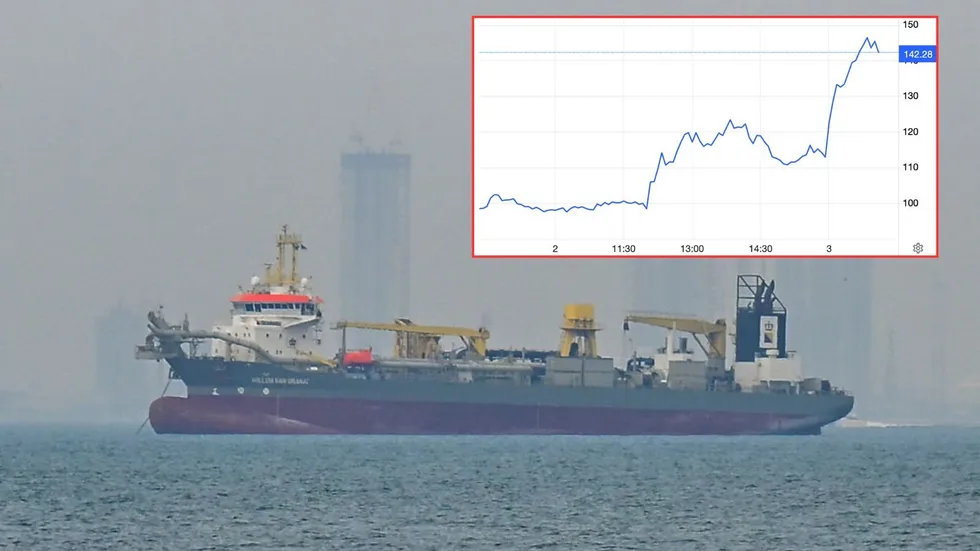
Middle East tensions drive benchmark to 151 pence per therm raising fears for household bills
|
GETTY/Trading Economics
Wholesale costs form a significant part of the price cap calculation, raising the prospect that continued volatility could filter through to domestic bills in coming months.
The spike in prices has been driven by the intensifying conflict involving Iran, the United States and Israel.
An adviser to the commander-in-chief of Iran’s Islamic Revolutionary Guard Corps warned on state television that ships “should not come to this region. They will certainly face a serious response from us.”
Ebrahim Jabbari added that Iran would “set fire to anyone who tries to pass through” the Strait of Hormuz.
The Strait of Hormuz carries around a fifth of global oil and gas supplies, making it one of the most strategically important waterways for international energy markets.
Shipping through the strait has halted after attacks on several vessels in recent days.
Sanne Manders, president of Flexport, told the BBC Today programme that the passage is “effectively closed.”
The disruption has triggered sharp movements in global oil markets.
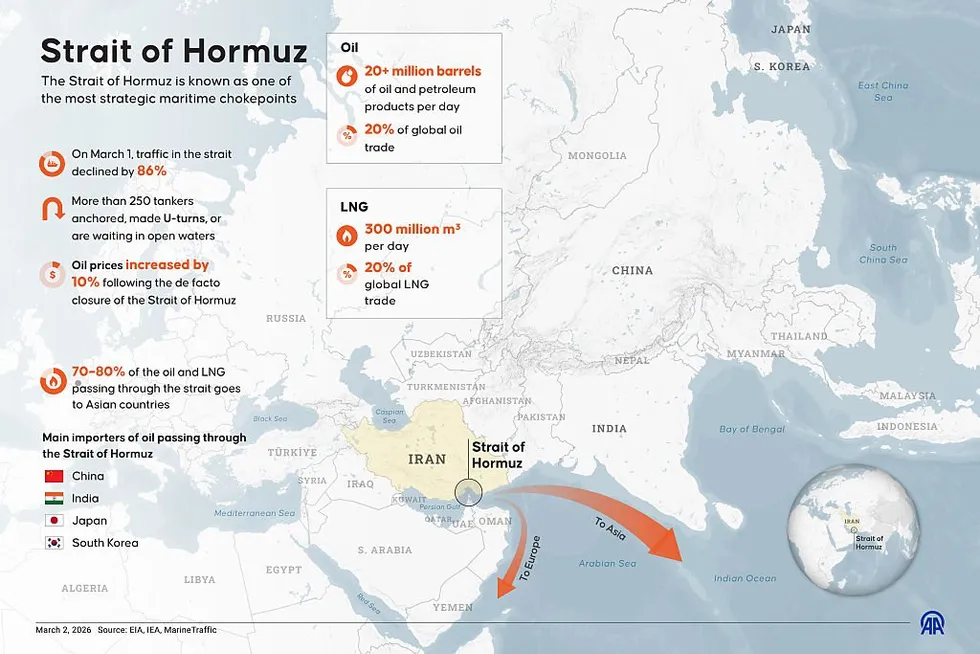
Strait of Hormuz
|
GETTY
Brent crude rose by 3.2 per cent on Tuesday to reach $80 per barrel, while American-traded oil gained 2.6 per cent.
Those increases followed significant rises on Monday after markets responded to United States and Israeli strikes on Iran over the weekend and Tehran’s subsequent retaliation.
The impact has extended beyond wholesale energy markets into global shipping costs.
Chartering a supertanker to transport oil from the Middle East to China exceeded $400,000 on Monday, almost double the previous week’s rate, according to data from London Stock Exchange Group.
Mr Manders said carriers were unwilling to accept the elevated risks associated with transiting the region, while insurers had withdrawn coverage for vessels operating in the affected waters.
He added that shipping companies were likely to raise rates more broadly in anticipation of higher fuel costs.
Alasdair Locke, chairman of Motor Fuel Group, said rising oil prices would eventually be reflected at petrol stations.
“With the price of oil going up, that is inevitably going to feed through in due course to higher prices at the pump.”
He added: “It will depend on how long and how high those prices go as to how high the price of fuel will be.”
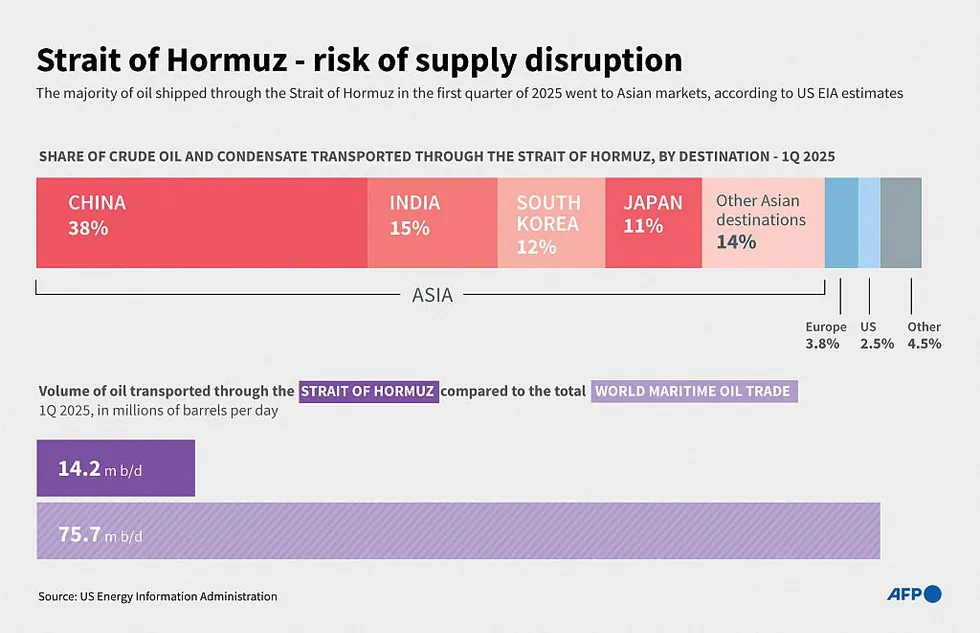
Risk of supply disruption
|
GETTY
Analysts have warned that if the disruption to supply continues, crude prices could rise further.
Srinivaasan Balakrishnan of Avellon Intelligence said prices could exceed $100 per barrel should tensions persist and shipping routes remain constrained.
The United States administration has indicated it is preparing measures aimed at mitigating the impact of rising energy costs.
Marco Rubio said Washington would outline steps to address the situation, stating: “Starting tomorrow you will see us rolling out those phases to try to mitigate against that.”
The sustained volatility in wholesale markets underscores the sensitivity of global energy prices to geopolitical developments and raises the prospect of renewed pressure on household bills if current conditions persist.