

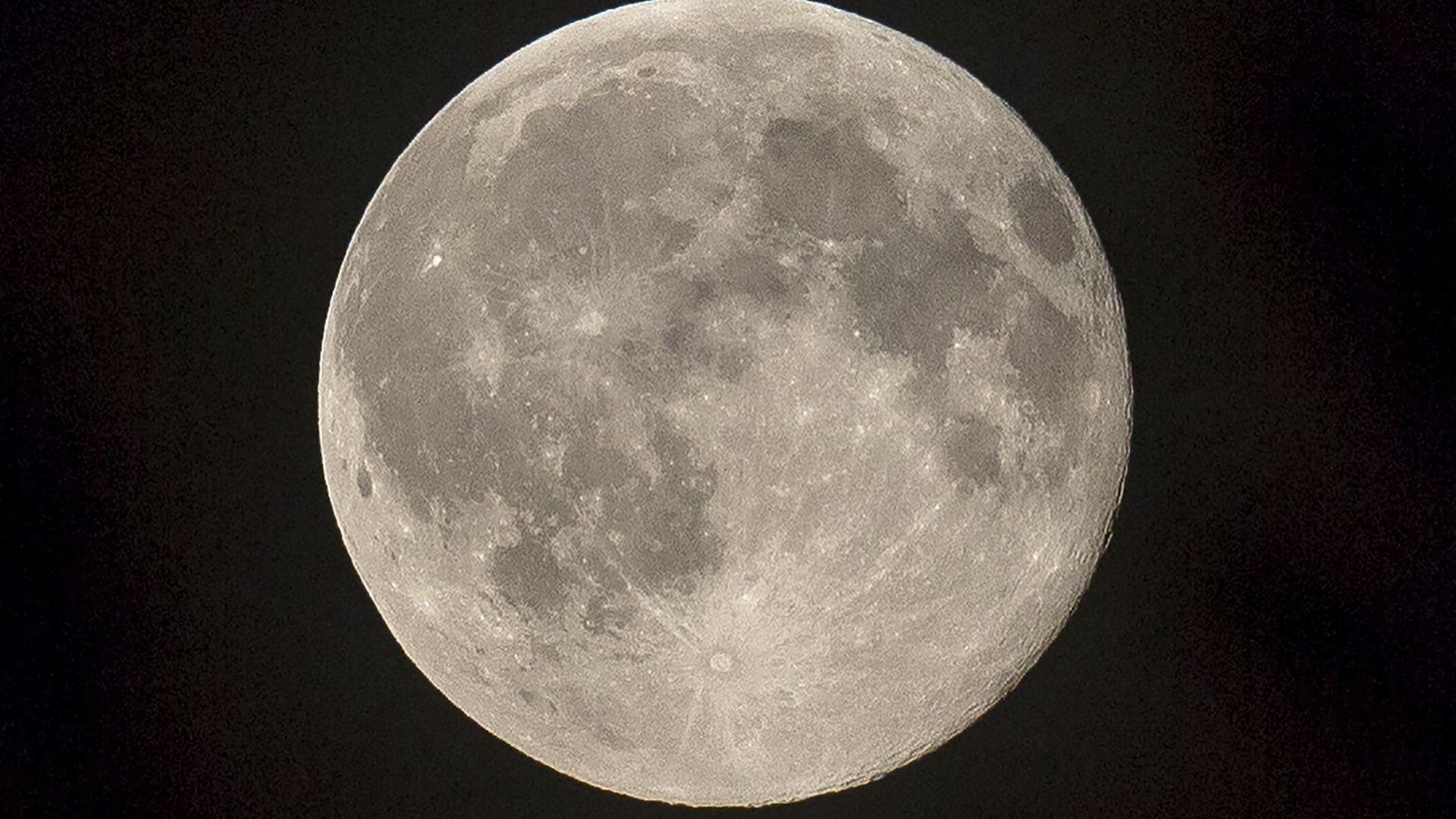
What other nicknames do full moons have?
The Snow Moon is just one of the many names given to each full moon of the year, predominantly by Native Americans.
Here are some of the others, according to the Royal Observatory Greenwich:
January: Wolf Moon
This one is named after the howling of wolves struggling for food in midwinter.
February: Snow Moon
March: Worm Moon
Native Americans named this after the worm trails that would appear in the thawed ground as it warmed up when winter made way for spring.
April: Pink Moon
This one was named after a species of early blooming wildflower.
May: Flower Moon
This refers to the vast blooming seen as spring gets properly under way.
June: Strawberry Moon
This is its North American name, a nod to the harvesting of strawberries in June.
July: Buck Moon
A tribute to male deer, which begin to grow back their antlers in July, having shed them earlier in the year.
August: Sturgeon Moon
Sturgeons, now the most endangered species group on Earth, used to appear in large numbers during August.
September: Full Corn Moon
September is the month crops are gathered following the end of summer.
The Full Corn Moon appears bright and rises early, allowing farmers to continue harvesting into the night.
October: Hunter’s Moon
Like its predecessor, the Hunter’s Moon is bright and long, which gives hunters a rare opportunity to search for prey at night.
Hunters also benefit from deer and fox being unable to hide in fields which lay bare after crops are harvested.
November: Beaver Moon
There is debate over why Native Americans chose this name.
Some believe it came from them setting beaver traps during this month, while others say it comes from many beavers building their winter dams.
December: Cold Moon
A straightforward name for this winter month’s full moon. Others include the Long Night Moon and the Oak Moon.
The Blue Moon
This is where the phrase “once in a blue moon” comes from – because these come about every so often.
The moon completes 12 full cycles of its phases in about 354 days – meaning it’s around 11 days short of a calendar year.
Every two and a half years or so the difference adds up to an extra, 13th full moon occurring during the year, the Observatory says.
We also sometimes refer to a second full moon occurring in one month as a Blue Moon.
Unlike with our typical moon names, we don’t know exactly where this one came from.