

UK house prices climbed to a record of £301,151 in February, marking a fresh high as property values continued rising despite growing concerns about higher mortgage rates.
The latest house price index from Halifax reported a 0.3 per cent monthly increase in property values, building on the 0.8 per cent rise recorded in January.
On an annual basis, prices increased by 1.3 per cent.
Amanda Bryden, head of mortgages at Halifax, said: “Since the start of the year, average prices have increased by around £3,000, with a typical property now costing £301,151.
“These latest figures suggest the market has regained some momentum after a softer end to 2025.”
The figures show that average property values have now remained above the £300,000 threshold for two consecutive months, highlighting continued demand from buyers despite affordability pressures across the housing market.
However, the recent recovery in the property sector now faces potential headwinds from escalating geopolitical tensions and rising energy costs.
Conflict in the Middle East has pushed oil and gas prices higher, increasing concerns that inflationary pressures could intensify again in the months ahead.
Higher energy costs risk feeding through into the wider economy, raising doubts about how quickly borrowing costs will fall.
Swap rates, which lenders use to price fixed-rate mortgages, have already risen in response to these concerns.

Property values are rising again
|
GETTY
Several major mortgage lenders have reacted by increasing their rates during the week.
HSBC UK and Nationwide Building Society both raised selected mortgage rates on Friday.
Further lenders are expected to follow as they respond to movements in wholesale markets and seek to manage demand and service levels.
The developments have significantly reduced expectations that the Bank of England could cut its base rate in the near term.
Hopes of a reduction as early as this month have faded as markets reassess the outlook for inflation and interest rates.
Ms Bryden said geopolitical developments could influence economic conditions in the months ahead.

Markets are anticipating a more gradual path for interest rate reductions
|
GETTY
“Against that backdrop, markets are now anticipating a more gradual path for interest rate reductions.
“If realised, the speed at which borrowing costs ease may be tempered.”
Mark Harris, chief executive of mortgage broker SPF Private Clients, said: “Swap rates, which underpin the pricing of fixed-rate mortgages, have edged higher amid fears that rising prices will fuel inflation.
“Expectations of a near-term base rate cut, perhaps as early as this month, have substantially reduced.”
Mr Harris said several lenders have already increased their mortgage rates in response to higher swap rates, with others likely to implement similar changes.
Alice Haine, personal finance analyst at Bestinvest by Evelyn Partners, said the Bank of England had previously been expected to cut interest rates at its next Monetary Policy Meeting on March 19.
“The Bank of England had been expected to cut interest rates at its next Monetary Policy Meeting on March 19, supported by easing inflation, concerns over rising unemployment and sluggish economic growth with the potential for further cuts later in the year.”
She warned that rising energy costs linked to the conflict could alter that outlook.
Ms Haine said fears are growing that rate cuts may be delayed, or that policymakers may even need to consider raising rates again if inflation rises sharply.
Tom Bill, head of UK residential research at Knight Frank, said the trajectory of the housing market would depend heavily on geopolitical developments.
He said: “A prolonged conflict in the Middle East would dampen sentiment and delay rate cuts due to rising inflation, which would put downwards pressure on prices.”
He added that the duration of the conflict would be crucial, although weakness in the labour market could still support interest rate cuts in 2026.
Regional figures within the Halifax data show a mixed picture across the UK housing market.
Northern Ireland recorded the strongest annual price growth at 6.3 per cent, with average property values reaching £218,608.
Scotland followed with a 4.7 per cent increase, bringing average prices to £222,286.
The North East saw prices rise by 3.5 per cent to £181,838, while the North West recorded growth of 2.9 per cent.
In contrast, several southern regions experienced declines.
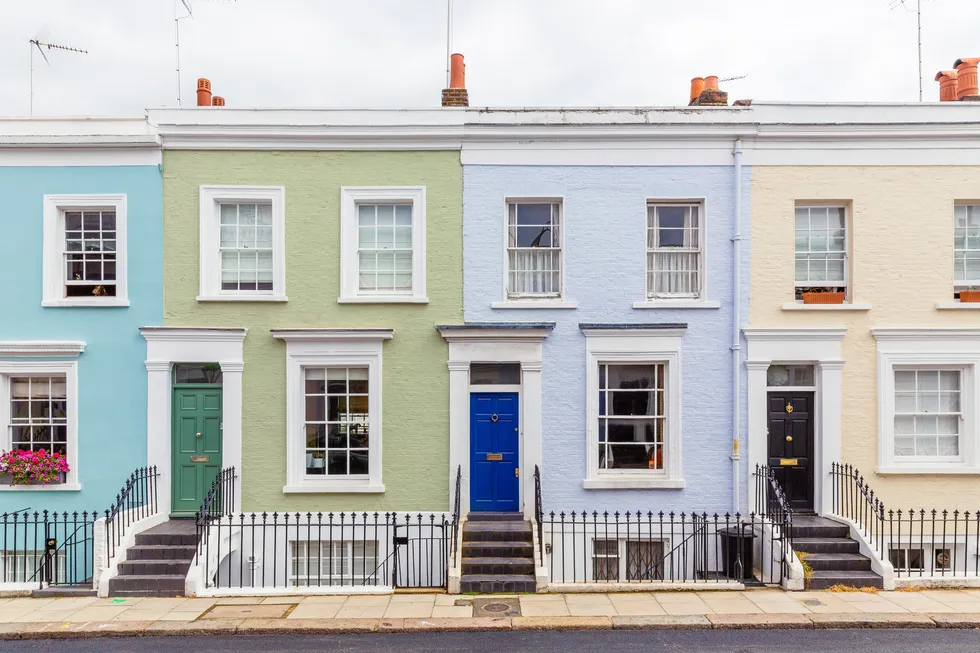
The South East recorded a 2.2 per cent annual fall
|
GETTY
The South East recorded a 2.2 per cent annual fall, while London saw prices drop by 1.0 per cent to an average of £538,200.
Tony Gambrill, regional sales director at Chestertons, said buyer demand remained resilient despite higher mortgage costs.
He explained: “Despite some lenders raising mortgage rates again, house hunters remain undeterred which suggests a particularly busy and competitive spring market ahead.”
Activity in February was driven largely by first-time buyers and families seeking larger homes, which supported demand across the market.