
The UK economy failed to grow in January, raising fresh concerns about the strength of the recovery.
Figures from the Office for National Statistics show GDP was unchanged during the month, disappointing economists who had expected growth of around 0.2 per cent.
The data follows modest expansions of 0.1 per cent in December and 0.2 per cent in November 2025.
Within the figures, the services sector showed no growth, production fell by 0.1 per cent and construction rose by 0.2 per cent in January.
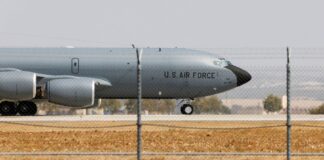
Economists have warned the outlook could deteriorate further as rising energy costs threaten to weigh on activity. Brent crude remains above $100 a barrel after climbing sharply since the conflict involving Iran began almost two weeks ago.
Chancellor Rachel Reeves said: “Our economic plan is the right one, but I know there is more to do.
“In an uncertain world, we are building a stronger and more secure economy by cutting the cost of living, cutting national debt and creating the conditions for growth to make all parts of the country better off.”
In response to the figures today, Mel Stride, Shadow Chancellor posted on X: “This morning, the ONS confirmed the economy is flatlining – with no growth in the latest month.
“This follows the @OBR_UK halving the growth forecast for 2026. At the Spring Statement, Labour claimed they had the ‘right economic plan’, doubling down on their failed policies. Labour’s economic mismanagement has left us vulnerable to the potential impacts of events in the Middle East.
“They must now Axe the Fuel Tax, back North Sea Oil and Gas and come forward with a proper plan to cut the deficit and get the benefits bill down.
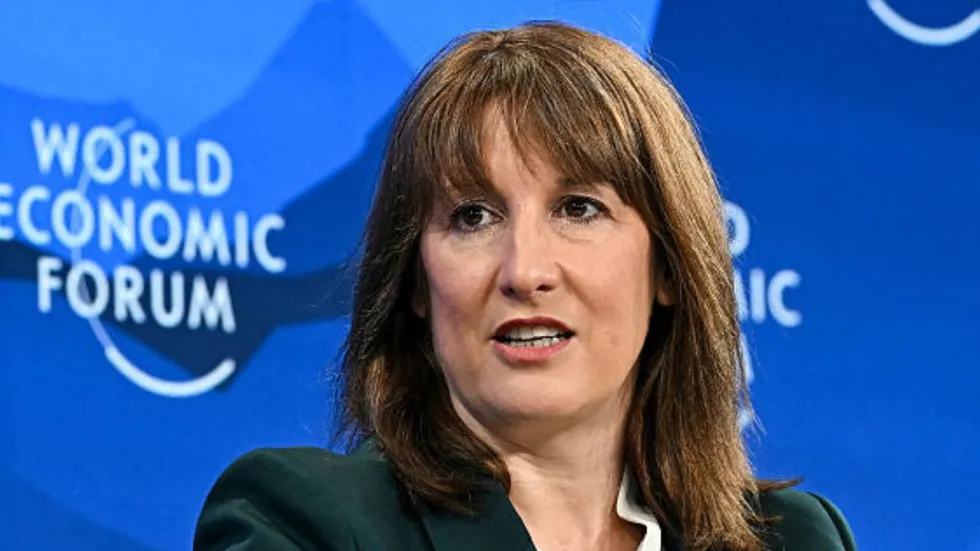
Economists have warned the outlook could deteriorate further as rising energy costs threaten to weigh on activity
|
GETTY
“Only the Conservatives have a leader with a backbone, a clear plan and the experienced team to deliver a stronger economy and get Britain working again.”
Suren Thiru, ICAEW Chief Economist, said: “These figures confirm that the economy was treading water even before the significant economic shock unleashed by the Middle East conflict took hold, as weak services and industrial activity helped suffocate overall output in January.
“The UK economy could well have returned to modest growth in February, aided by a stronger manufacturing and services output, particularly with activity in the month almost entirely pre-dating the current turmoil.
“The Middle East conflict means that any lingering momentum in the economy has evaporated by now with the energy crisis and supply chain disruption pushing both the UK closer to stagflation and eroding the Chancellor’s fiscal headroom.
Experts warn if the conflict persists it could trigger a renewed surge in inflation and borrowing costs, potentially creating “a cost-of-living crisis 2.0”
|
PA
“While these disappointing figures will increase fears over the health of the economy, there is almost no hope of an interest rate cut next week given that rate-setters will be deeply concerned by the torrent of new inflation risks caused by the conflict.
“Though talk of rate rises is premature as policymakers will likely look through the immediate impact of surging energy prices, interest rate cuts will probably remain off the table until the Autumn at the earliest, even if a swift resolution to the crisis is found.”
Alice Haine, personal finance analyst at Bestinvest by Evelyn Partners, said the UK economy flatlined in January as uncertainty around the Autumn Budget led many businesses and households to delay spending.
She noted that while construction grew by 0.2 per cent, services showed no growth and production fell by 0.1 per cent. However, she warned the latest GDP data “looks backwards, not forwards” and does not yet reflect the economic impact of the conflict in the Middle East.
Ms Haine said expectations that inflation and interest rates would continue falling have now shifted dramatically, adding that markets had been expecting the Bank of England to cut rates but those hopes have been shelved.
“Energy prices have risen sharply since the outbreak of the conflict,” she said, warning this could push inflation higher and slow economic growth. She added the impact is already being seen in rising fuel prices, with households relying on heating oil facing immediate pressure as “prices have doubled in some parts of the country”.
Ms Haine cautioned that if the conflict persists it could trigger a renewed surge in inflation and borrowing costs, potentially creating “a cost-of-living crisis 2.0”.
Kathleen Brooks, research director at XTB, said January’s GDP figures will be closely watched after the UK economy ended 2025 on a weak footing, with growth of just 0.1 per cent in the fourth quarter.
Ms Brooks explained that developments in the Middle East are likely to have a bigger impact on markets than the latest UK economic data.
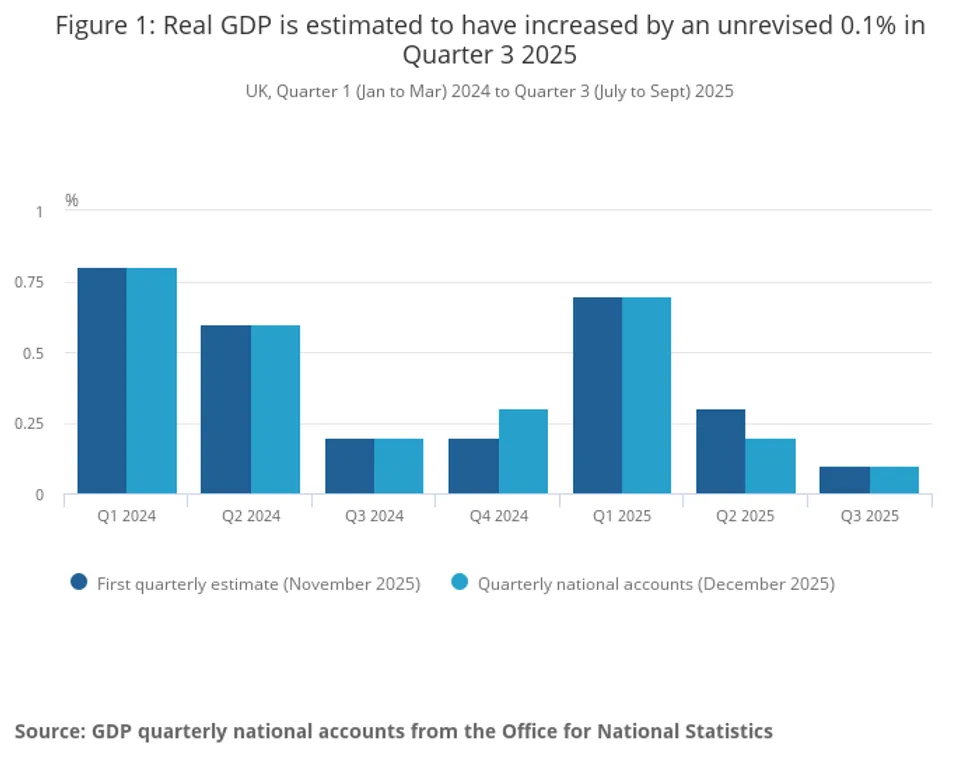
How did the GDP change over the years?
|
ONSEmeritus Professor Joe Nellis, economic adviser at MHA, warned that rising inflation could undermine the Government’s growth plans and deepen the cost of living pressure on households.
He said expectations of several interest rate cuts in 2026 may now need to be reconsidered, adding: “We must now face the possibility that rates may actually rise again.”
Mr Nellis cautioned that if the Bank of England keeps interest rates higher for longer, or raises them, tighter monetary conditions could dampen business investment and slow economic growth.
He also warned that potential US tariffs on UK goods rising to 15 per cent from the previously negotiated 10 per cent could further weaken exports and increase uncertainty for businesses.
While the situation could improve if tensions in the Middle East ease and energy prices fall, he said the risks to economic growth have “dramatically increased in the last two weeks”, leaving the outlook far more uncertain.