The number of firms entering administration rose by more than a fifth in the year to November, as British retailers face crippling pressure heading into 2026.
Many business owners and leaders have urged the Chancellor to release some of the tax burden, including Asda’s boss, pleading her to resist “taxing everything in some way, shape or form”, and focus instead on investing in Britain to drive growth.
Data from advisory firm Kroll shows 128 retail sector administrations were recorded during the period.
This compares with 115 administrations across the whole of 2024, a 21.4 per cent increase on a pro rata basis.
The data includes wholesalers supplying shops as well as traditional high street and online retailers.
The retail sector recorded the second highest number of corporate failures, behind only manufacturing.
Kroll’s analysis points to rising operating costs as a key factor behind the increase, alongside higher taxation, and subdued consumer spending.
Separate figures from restructuring firm Begbies Traynor show nearly 2,000 general retail companies were classed as being in critical distress by mid-December.
Helen Dickinson, chief executive of the British Retail Consortium (BRC), said rising costs imposed by Government policy were weighing heavy on the sector.
She said: “The higher number of retailers calling in administrators this year reflects the increased cost burden added to the industry.
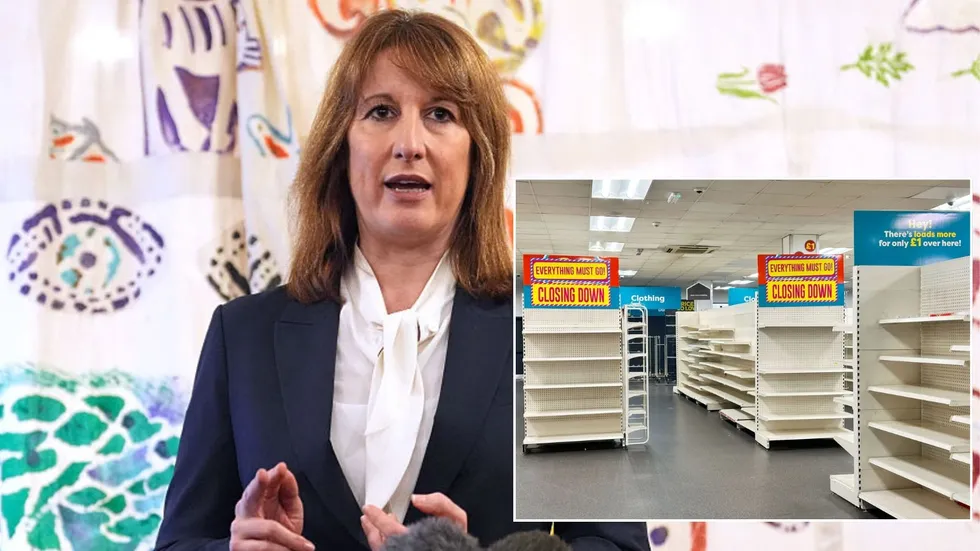
Firms entering administration rose by over a fifth as retailers warn the Chancellor to ease taxes and prioritise investment heading into 2026
|
GETTY
“From billions in additional national insurance to the new packaging tax, the combination of costs imposed by Government has reduced profitability of an already low-margin industry.”
Retail industry leaders have raised concerns about the decision by Rachel Reeves to increase employer national insurance contributions.
They have also criticised the move to lower the threshold at which the tax is paid.
The changes are seen as having a particular impact on retailers due to the sector’s reliance on large workforces.
Many retail staff are employed on part-time contracts or lower wages.
Kien Tan, senior retail adviser at PwC, said consumer behaviour remains cautious, as households continue to be mindful of spending due to ongoing concerns about the cost of living.
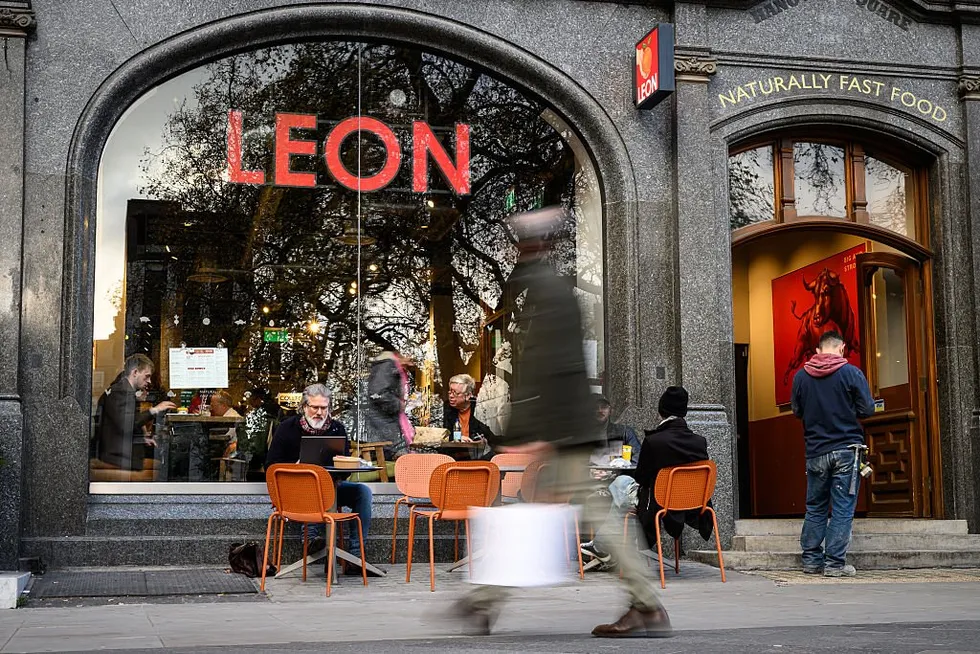
Leon was another chain that failed this year
|
GETTY
Despite the challenging backdrop, some retailers reported increased activity over the Christmas period, with Boxing Day footfall reaching its highest level in ten years, according to data from MRI.
The figures show footfall at retail destinations rose by 4.4 per cent compared with the previous year.
Retail parks recorded the strongest performance at 8.8 per cent, while high streets saw footfall rise by 3.6 per cent.
Shopping centres recorded a 2.1 per cent increase in the numbers of customers flowing through their doors, with Bicester Village in particular experiencing long queues during the sales period.
London’s Westfield shopping centres also reported strong levels of activity.
Several well-known retailers entered administration during 2025, including Claire’s Accessories, who entered its UK business in August, but were later acquired by private equity firm Modella Capital.
Tiles retailer Fired Earth closed all 20 of its showrooms in November.
Online retailers Bodycare and SilkFred also entered administration during the year.
Brighton-based music retailer GAK, which had traded for more than three decades, was another business to collapse.
River Island and Poundland both avoided administration after securing High Court approval for major restructuring plans.

One pub has reportedly closed each day over the past year on average, with businessman and GB News contributor Adam Brooks having been outspoken in the need to protect British public houses from over-taxation
|
GETTY/GB News
A Government spokesman said: “We are a pro-business Government that has capped corporation tax at 25 per cent — the lowest rate in the G7 — capped business rates with a £4.3billion support package, and have seen interest rates cut six times since the election, benefiting businesses in every part of Britain.
“The fair and necessary decisions we made at this Budget and the last mean we can deliver on the country’s priorities — cutting debt and borrowing and cutting the cost of living.”