

The introduction of VAT on private school fees has prompted nearly two thirds of wealthy parents to make substantial adjustments to their children’s education arrangements, new research reveals.
Wealth manager Saltus surveyed 1,167 parents with children in independent schools as part of its latest Wealth Index Report, which examined 2,000 high net worth individuals across the country.
The findings show that 65 per cent of these families have been compelled to take significant action as a direct consequence of the tax policy, which came into effect twelve months ago.
Among those who have acted, roughly one in four have withdrawn their child from their current independent school altogether.
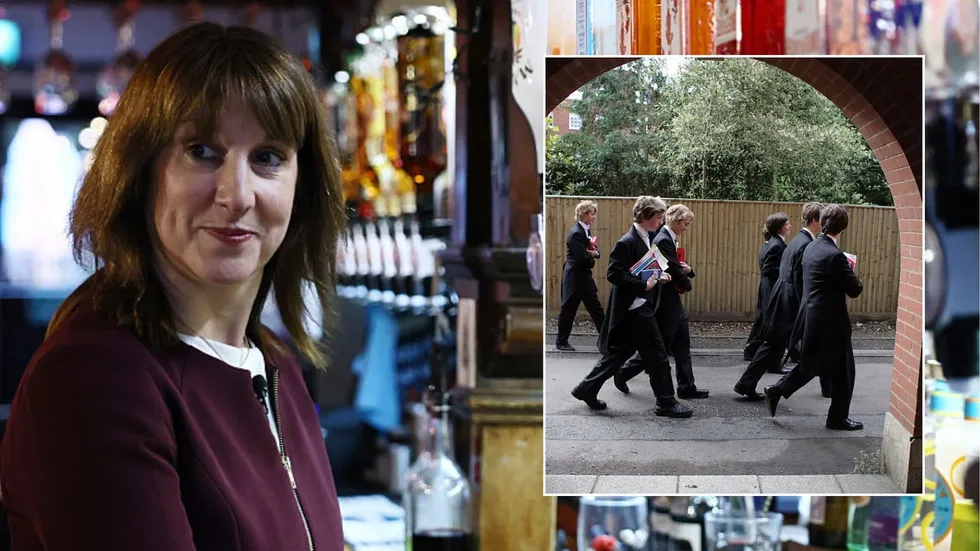
Rachel Reeves’s VAT raid is having an impact, analysts warn
|
GETTY
Some families have opted to transfer to more affordable private institutions within the UK, accounting for 8 per cent of respondents, while 6 per cent have relocated their children to schools overseas.
Others have exited the fee-paying sector entirely, with 6 per cent moving to state education and 3 per cent choosing home schooling.
Approximately 22 per cent of parents surveyed indicated they intend to remove their child from their present school, with similar patterns emerging in their planned alternatives.
Of this group, eight per cent are considering cheaper domestic private schools and 6 per cent are looking at international options.
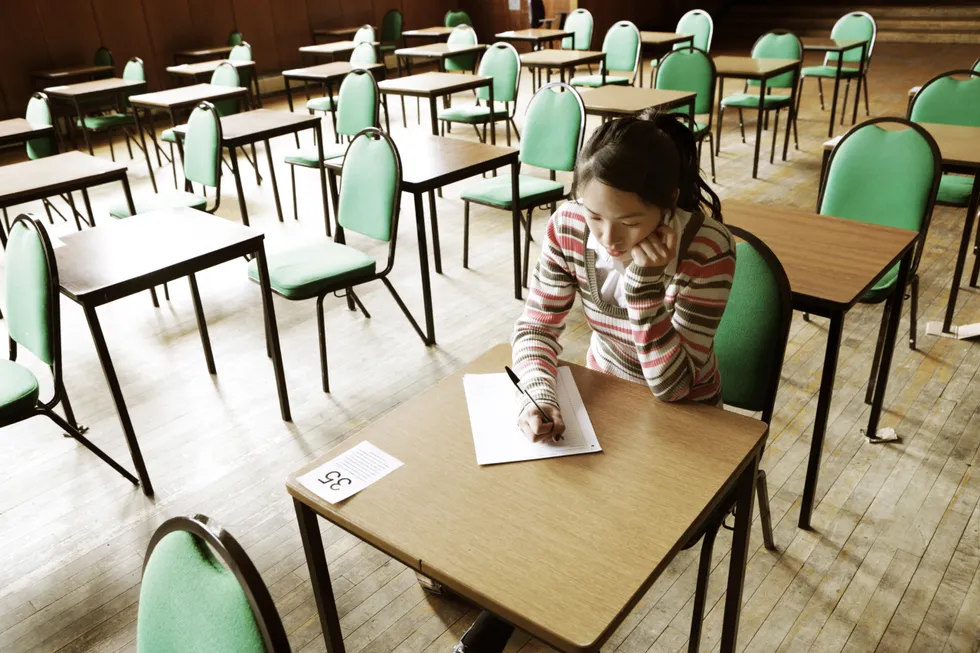 Private schools across England are reducing their academic entry standards following the implementation of Labour’s 20 per cent VAT charge on school fees | Getty
Rachel Reeves is under fire
|
PAMore than two thirds of parents keeping their children in private education report making or planning significant monetary sacrifices, a figure that has risen from 55 per cent in the previous survey.
Cutting back on holidays and major discretionary purchases tops the list, with 42 per cent taking this step compared to 29 per cent six months earlier.
Daily spending reductions affect 35 per cent of families. One in five parents have reduced pension contributions, while 21 per cent have sought higher-paying employment.
Borrowing has become necessary for many, with 13 per cent taking additional mortgages and the same proportion securing unsecured loans.
The introduction of VAT amounted to a financial consequence rather than a denial of access to education | GETTYFamily support networks are also being tapped, with 16 per cent turning to friends and smaller numbers approaching grandparents or relatives. Nearly seven in ten respondents believe teaching quality and facilities justify the expense, rising to 81 per cent among those who themselves attended private schools.
Networking opportunities and extracurricular activities also feature prominently in parents’ calculations, valued by 72 per cent and 68 per cent respectively.
Yet when asked whether they would prefer to invest £100,000 for their child rather than spend it on fees, 59 per cent chose the investment option.
Mike Stimpson, partner at Saltus, said: “For many HNWIs, paying for their children’s education remains a major aspiration, but the additional cost has forced a reassessment of what is affordable, what is sustainable and what truly represents value over the long term.”