

Chancellor Rachel Reeves has charged taxpayers £19,760 to furnish her official Downing Street residence after finding it empty when she moved in following Labour’s July 2024 election victory.
The cost was disclosed in a parliamentary written question answered on February 21.
When Ms Reeves took up residence, the flat above No10 was unfurnished after Rishi Sunak removed the contents on departing Downing Street.
Labour confirmed the ministerial accommodation was “provided unfurnished” and said all items bought with public funds would “remain Government property and will be retained for future occupants.”
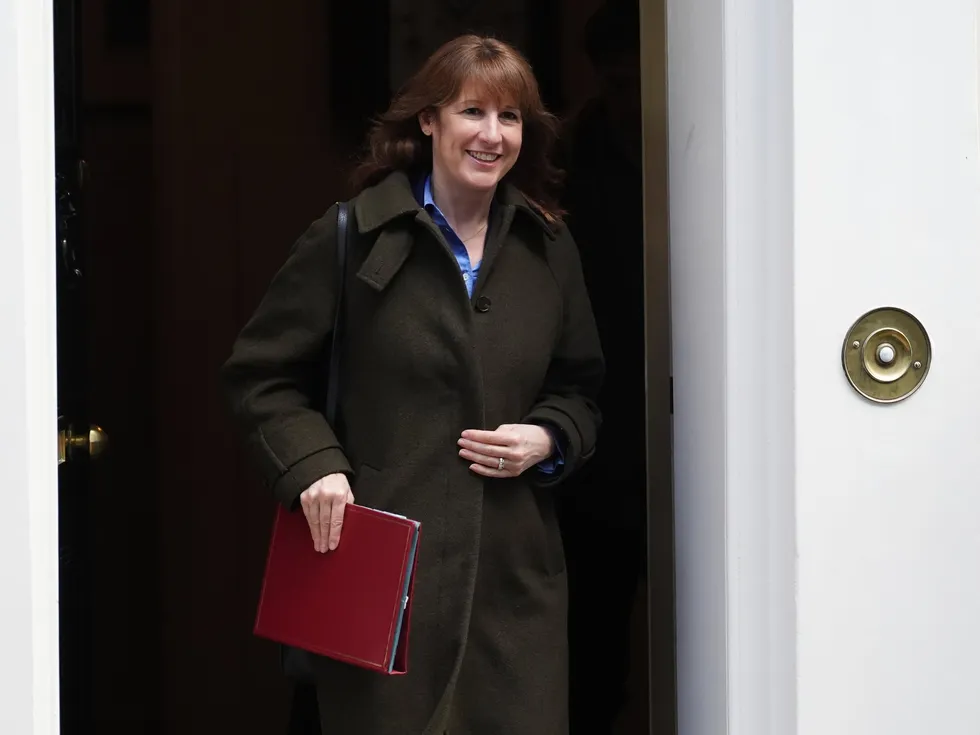
Rachel Reeves charged taxpayers £19,760
|
PA
Under longstanding arrangements, prime ministers and chancellors traditionally swap the larger and smaller Downing Street flats depending on their personal circumstances.
Sir Keir Starmer occupies the more spacious residence above No11, while Ms Reeves is based in the accommodation above No10.
Mr Sunak and his wife Akshata Murty reportedly paid for their own refurbishment during their time in office, commissioning upholsterer John Challis to redesign the interior at personal expense.
In an interview with Tatler, Mr Challis described cushions he created for the property as a “work of art” and said some furnishings dated back to George Osborne’s tenure as Chancellor and were showing signs of wear.
A previous renovation under Boris Johnson attracted significant scrutiny over its funding.
The former PM’s £112,000 refurbishment of the No11 flat was initially financed by Conservative donor Lord Brownlow of Shurlock Row, before Mr Johnson repaid the full amount following an official investigation.
Interior designer Lulu Lytle oversaw that redesign.
Labour has said that all items purchased for Ms Reeves’s flat will remain Crown property and stay in place for future occupants rather than being removed when she leaves office.
In addition to furnishing the living quarters, the Chancellor has begun changing the artwork displayed in No11’s state room, which is used for formal government engagements.
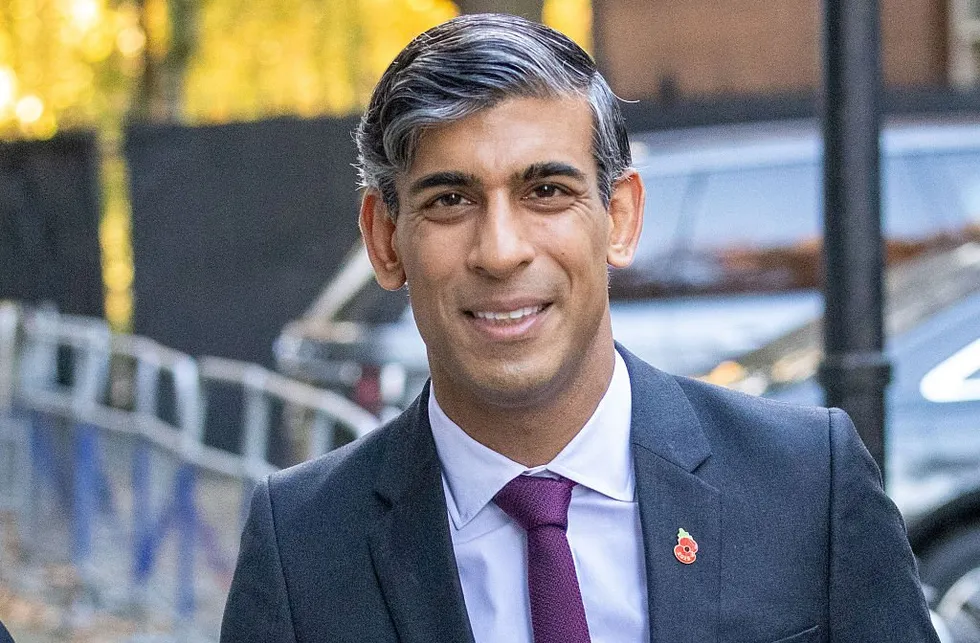
Rishi Sunak was accused of stripping the flat completely
|
GETTY
Ms Reeves plans to replace existing paintings with works depicting women or created by female artists.
A portrait of Winston Churchill has been replaced with a woollen tapestry featuring an “unknown woman”, while a photograph of former Chancellor Nigel Lawson has been substituted with an image of Ellen Wilkinson, one of the founding members of the Communist Party of Great Britain.
Paintings of former PMs and members of the Royal Family have also been exchanged for artworks commemorating the coronavirus lockdowns.
Scrutiny of MPs’ expenses has ramped up considerably since the 2009 scandal, which involved the leak of around one million documents detailing claims made by MPs.
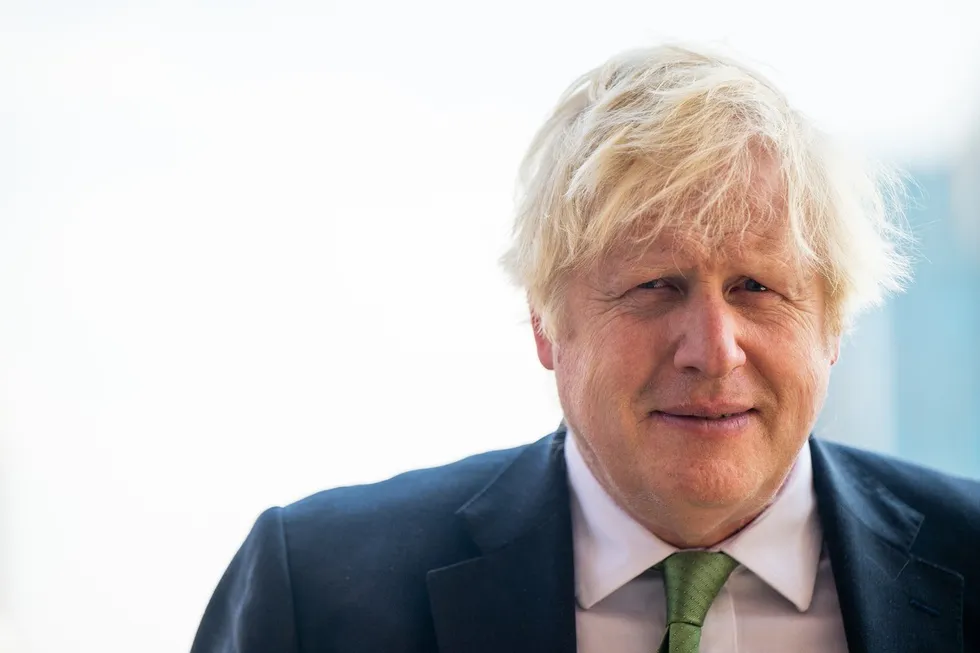
Boris Johnson faced controversy
|
GETTYThe disclosures led to six MPs being convicted of criminal offences and prompted the creation of the Independent Parliamentary Standards Authority (IPSA) to take control of expenses and salaries.
The scandal stemmed from a Freedom of Information ruling that required the House of Commons to release detailed records of MPs’ claims, including receipts and supporting documents.
Public anger focused heavily on the Additional Costs Allowance, which allowed MPs to claim for second‑home expenses and led to widespread “flipping” of property designations.
The episode triggered major reforms to Commons procedures, including the 2009 Parliamentary Standards Act and the establishment of the Wright Committee to overhaul parliamentary governance.