Martin Lewis warns millions of customers including British Gas and Octopus face having to pay £136 MORE on energy bills
Households across the UK will see their gas and electricity bills rise by an average of 0.2 per cent when new prices come into force on New Year’s Day.
Customers of major energy suppliers including British Gas, EON, EDF, OVO and Octopus will be affected by the change, according to Martin Lewis.
Analysis by the Money Saving Expert team suggests some households could end up paying £136 more than the price cap depending on how they pay their bills.
While the headline increase is relatively small, experts have warned that the real impact on household finances could be more significant during the winter.
Energy usage typically rises sharply at this time of year as temperatures fall and households rely more heavily on heating.
The change will apply during one of the coldest periods of the year.
For a typical dual-fuel household paying by monthly Direct Debit, annual energy costs will rise to £1,758 after the 0.2 per cent increase.
Direct Debit remains the most common payment method used by customers of the major suppliers.
Households using prepayment meters will face a slightly lower annual cost of £1,711 following the increase.
Customers who pay for their energy on receipt of their bill will see much higher costs.
Annual bills for this group are expected to reach £1,894.
This figure is £136 above the price cap level.
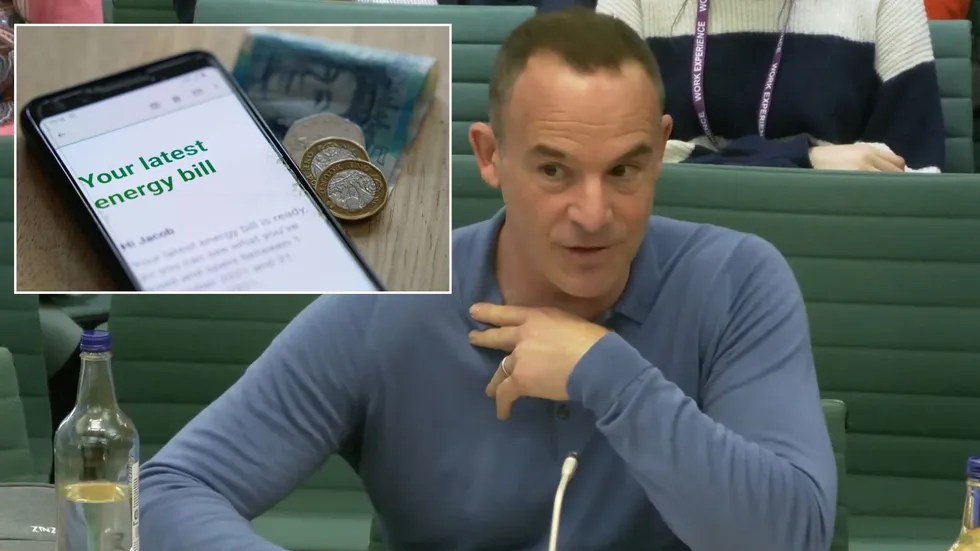
UK households will face an average 0.2 per cent rise in gas and electricity bills from January 1 affecting customers of major suppliers, according to Martin Lewis
|
GETTY
The difference highlights how payment methods can significantly affect overall energy costs.
Consumer finance expert Martin Lewis warned that the average figure does not reflect the experience of all households.
Mr Lewis said: “So those on the Price Cap (all those on standard tariffs ie. if you’ve not fixed or got a special deal) with high electricity use and low or no gas use will see their bills rise by 3 per cent or four per cent come January 1.”
He said households that rely primarily on electricity rather than gas could see much steeper increases.
The warning applies to customers on standard variable tariffs who have not fixed their energy prices.
Mr Lewis said these households could experience rises several times higher than the headline figure.
He said the increase is not the result of higher wholesale energy prices.
Wholesale costs actually fell during the three-month assessment period used to set the new price cap.
Energy bills are a major concern for households
|
GETTYInstead, Mr Lewis said the rise is driven by additional policy and network costs.
These include charges linked to nuclear power, energy network connections and the Warm Home Discount scheme.
Mr Lewis said: “Electricity is seen as more universal, so when they want to add policy costs to bills, they do it there.”
He said: “That is somewhat perverse as it means we see a relative increase in electricity costs compared to gas, when the whole policy driver is to move people off gas.”
Earlier forecasts had suggested energy prices would fall by around 0.5 per cent.
The additional charges reversed that expected reduction.
Energy comparison service Uswitch said the timing of the increase could amplify its impact.
The company said higher winter energy use means bills may rise by more than the price cap change alone suggests.
Uswitch advised customers on standard variable tariffs to review their options.
A spokesperson said: “If you’re on a standard variable tariff, you should compare energy deals because it’s likely you’ll be able to save.”
Ben Gallizzi, energy expert at Uswitch, said some fixed deals currently on the market could offer savings.
He said fixed tariffs could save households around £150 a year compared with the price cap.
“If you have the option of getting off a standard variable tariff and ditching the price cap, it’s worth doing that now.”

The advice comes as households face increased energy use during the winter months
|
GETTYEnergy analysts said the January timing makes switching particularly relevant for customers seeking to reduce costs.
The price cap applies to millions of households who have not fixed their energy tariffs.
It limits the unit price suppliers can charge rather than the total bill.
Actual bills vary depending on usage, payment method and household circumstances.
Consumers have been encouraged to review their energy arrangements ahead of the increase taking effect.