State pension increases from Labour ‘punishing’ Britons as ANOTHER hike looms in 2026
Thousands of Britons are at risk of being “punished again” by further state pension age increases in the years ahead, a politician has warned.
An SNP MSP has cautioned that Scottish people risk being “punished again” should the Labour-led UK Government proceed with state pension age alterations without accounting for Scotland’s specific demographic circumstances.
Jackie Dunbar, who represents Aberdeen, has called on ministers not to treat Scotland as an afterthought during the ongoing UK-wide pension age review.
Her intervention follows the Scottish Government’s submission of evidence to the independent State Pension Age Review.
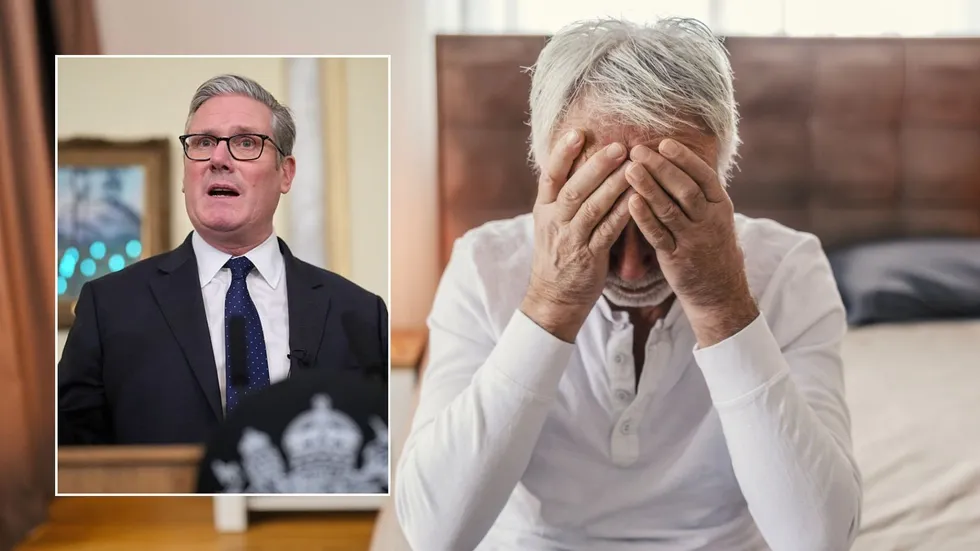
State pension age increases are ‘punishing’ Scots, according to a SNP MSP
|
GETTY
The submission argues that any modifications must properly consider Scotland’s “unique challenges” before implementation. The SNP maintains that applying a uniform approach across the UK could have a disproportionate impact on Scottish citizens.
Scotland faces distinct demographic challenges compared with the rest of the United Kingdom. The nation experiences shorter life expectancy alongside elevated rates of long-term illness and disability.
Health disparities are particularly stark in deprived communities and former industrial regions. These conditions mean numerous workers struggle to continue in employment as they approach their late 60s.
Those critical of raising the pension age uniformly across Britain contend such an approach risks hitting Scots harder than others. They argue it could exacerbate inequalities that already exist within the country.
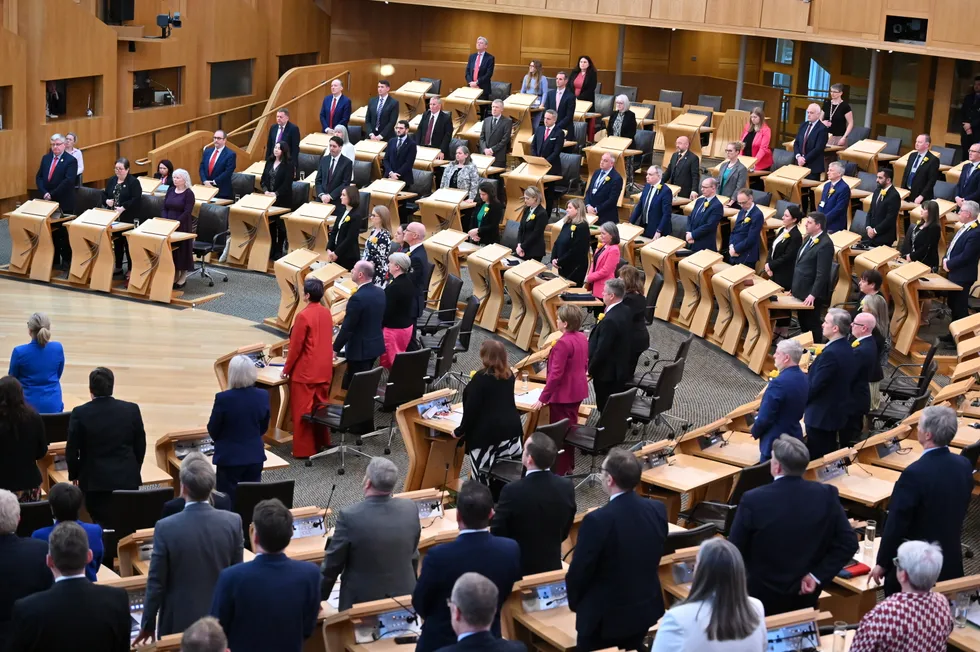 MSPs in Holyrood | GETTY
The Scottish Government’s evidence submission highlights these concerns as central to its case for differentiated treatment.
From April, the UK Government will begin phasing in a rise in the state pension age from 66 to 67, with the transition completing within two years.
When the pension age previously increased from 65 to 66, an additional 100,000 people aged 65 found themselves in absolute income poverty.
Ms Dunbar accused Labour of failing to deliver on its pre-election pledge regarding Women Against State Pension Inequality (Waspi) women compensation.
In recent years, women born in the 1950s have lobbied the Government for compensation after claiming to have been made unaware of changes to the state pension age.
“Now they look set to replicate this injustice by punishing a whole new generation of Scots who have worked hard and paid in all their lives,” Ms Dunbar said.
She challenged Scottish Labour leader Anas Sarwar and Scottish Labour MSPs to demand a pension age reflecting Scotland’s needs.
The ongoing State Pension Age Review is assessing whether the scheduled increase should proceed, weighing considerations around longevity, government finances and intergenerational equity.
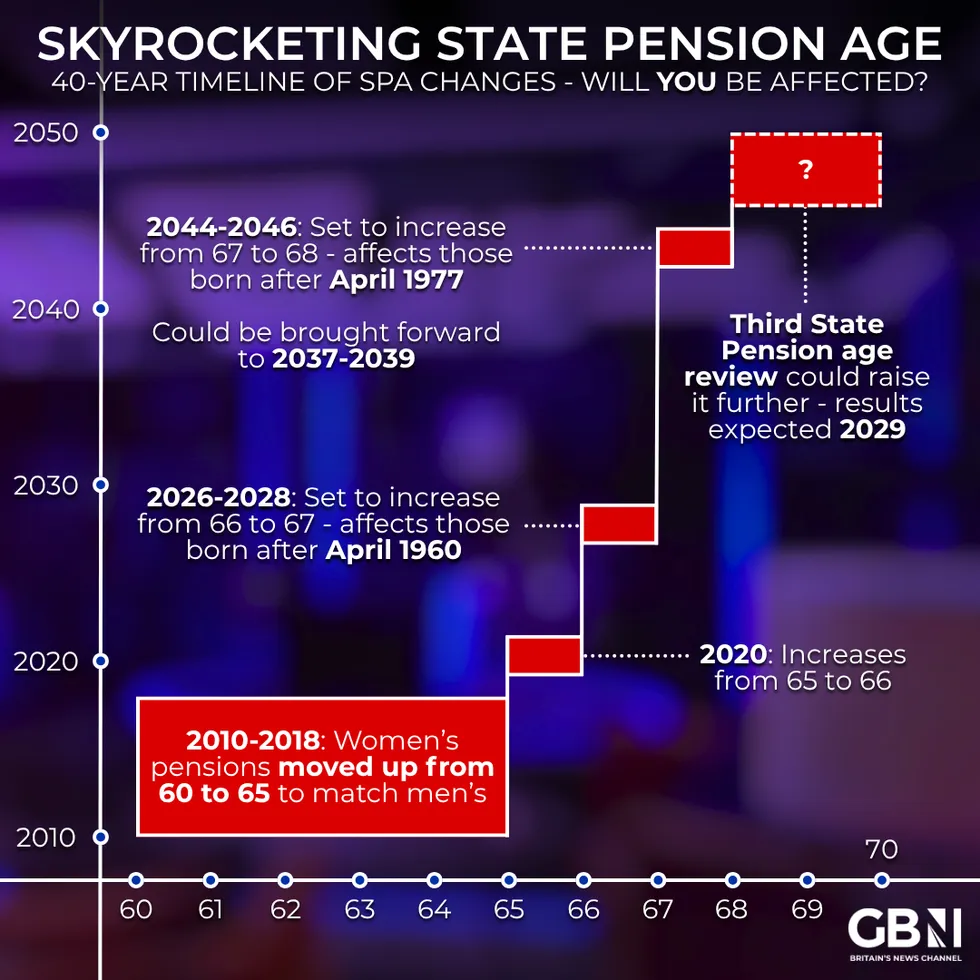 Skyrocketing state pension age – will you be affected? | GB News
A cross-party committee of MPs initiated an inquiry last month examining the income gap affecting those approaching pension age ahead of the rise to 67.
People between 60 and 64 rank among the poorest working-age adults over 25.
Many leave employment early due to caring responsibilities or health issues despite lengthy careers, yet remain too young to access their state pension.
During 2023/24, some 876,000 individuals in this age bracket, representing 22 per cent, were living in poverty