Scotland’s ‘most boring town’ Alloa was once the ‘beating heart of the Central Belt’ | UK News
A Scottish town once branded one of the nation’s “most depressing” and “most boring” places to live was in the past the “beating heart of the Central Belt”.
Alloa, in Clackmannanshire, prospered during the Industrial Revolution and enjoyed a golden age from the late 18th century to the early 20th century.
Susan Yule, archives and records management officer at Clackmannanshire Archives, told Sky News the Wee County town boasted eight breweries at one point and was “second only to Edinburgh as a centre of brewing”.
It also enjoyed a rich past in glassmaking, coal mining and export, textile production and shipbuilding.
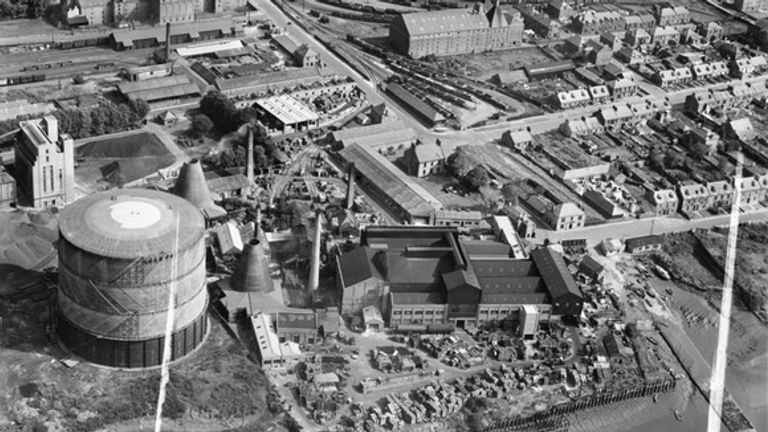
A general view of Alloa in 1952, including the glassworks. Pic: Britain From Above/Historic Environment Scotland
Ms Yule believes Alloa was at one point the “beating heart of the Central Belt”.
She added: “As a centre of trade and industry, I believe it played a bigger role than Stirling.”
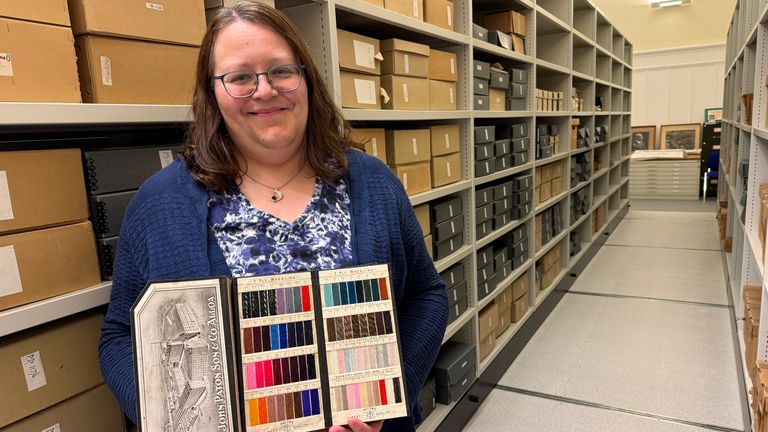
Susan Yule, archives and records management officer at Clackmannanshire Archives
Clackmannanshire, with views of the mighty Ochil Hills, has been described as “Scotland in miniature”.
Alongside its diverse landscapes and history, the local authority area often reflects the opinion of Scotland as a whole.
Indeed, late former first minister Alex Salmond once told Sky News that he began to write his concession speech during the Scottish independence referendum in 2014 after Clackmannanshire was the first to declare, and it was a resounding “no”.
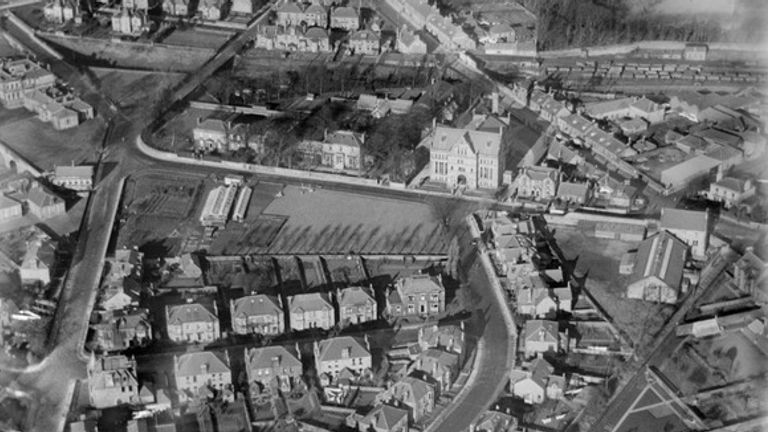
A general view of Alloa in 1928, including the Town Hall. Pic: Britain From Above/Historic Environment Scotland
For those who have never visited the town, Ms Yule highlighted a number of historical factors which helped the region to prosper.
She said: “Alloa had an important and busy port by the 1750s and an early waggonway from 1768 to transport coal from surrounding collieries to the port.
“By 1775, Alloa was exporting over one third of Scotland’s total coal production.”
Nearby Gartmorn Dam, which was first constructed around 1690 and later extended and improved to supply water to Alloa Colliery’s drainage engine, continued to power colliery engines for more than 200 years.
Ms Yule said: “It was of huge importance as a water supply to the various local industries and it also became the public water supply for the town of Alloa from the beginning of the 19th century.”
One of Alloa’s many breweries. Pic: Clackmannanshire Archives
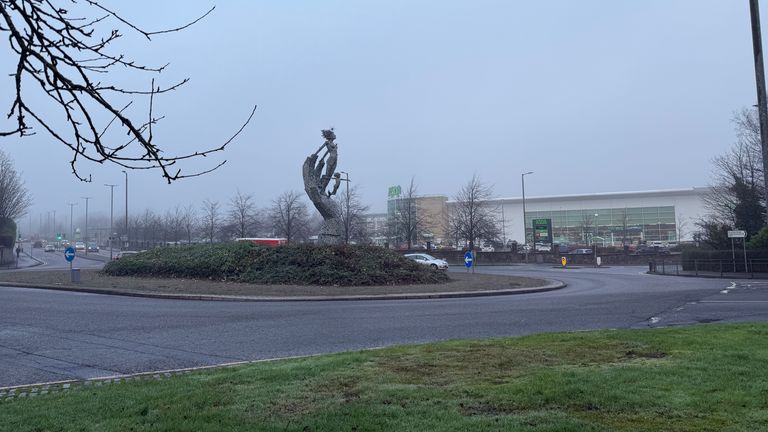
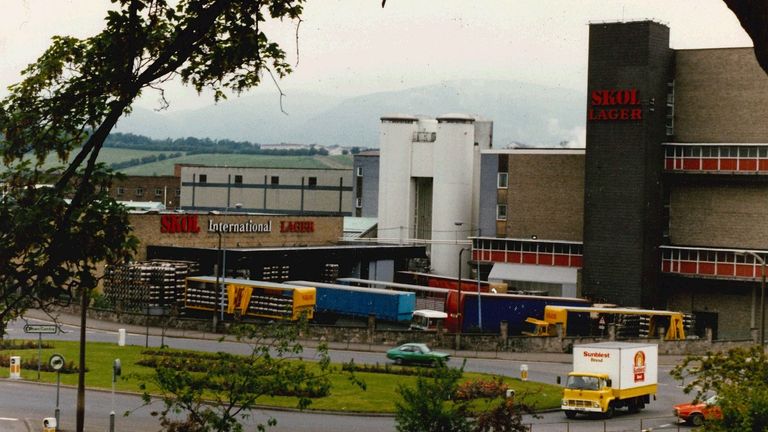
The brewery site where Skol was produced is now an Asda
As well as the Grange and Carsebridge distilleries, the town also thrived thanks to its glassworks, Alloa Pottery, and British Electric Plant Co.
John Jameson, founder of Jameson Irish Whiskey, was born in Alloa in 1740. He died in 1823 at the age of 83 and is buried in the town’s old kirkyard.

Alloa boasts a rich beer-brewing heritage. Pic: Clackmannanshire Archives
Most importantly, the town was also the home of John Paton, Son & Co.
The successful wool dyeing and spinning firm would go on to become the Scottish partner in the world-famous Patons and Baldwins company.
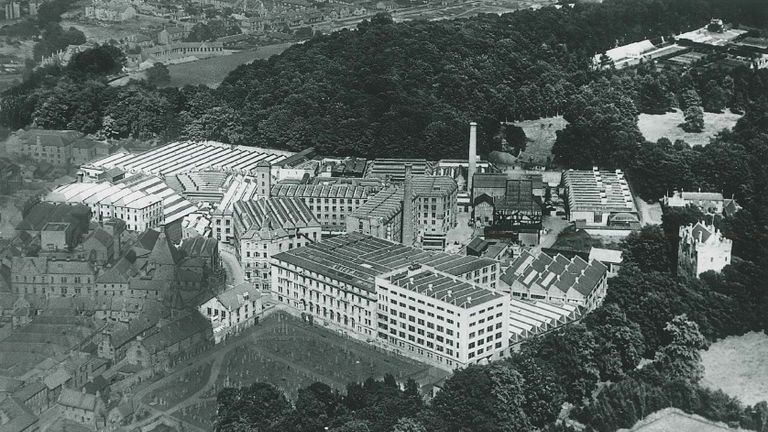
Aerial view of Kilncraigs Mills (Patons and Baldwins). Pic: Clackmannanshire Archives
Ms Yule said: “I think Alloa’s golden age was from the late 18th century to the early 20th century – over the period of the Industrial Revolution.
“The location of Alloa’s port, quite far upriver, was a key advantage for getting goods as far as possible by water when roads were in poor condition.
“The coming of the railway in 1850 also helped with the transportation of goods and the arrival of visitors to the town.
“The proximity of numerous collieries and the water supply from Gartmorn Dam fuelled a plethora of industries, most of which prospered.
“Due to the wealth of industries and large estates in the county, there was low unemployment, and if there was a dip in one trade, there were enough other options to avoid a general depression.”
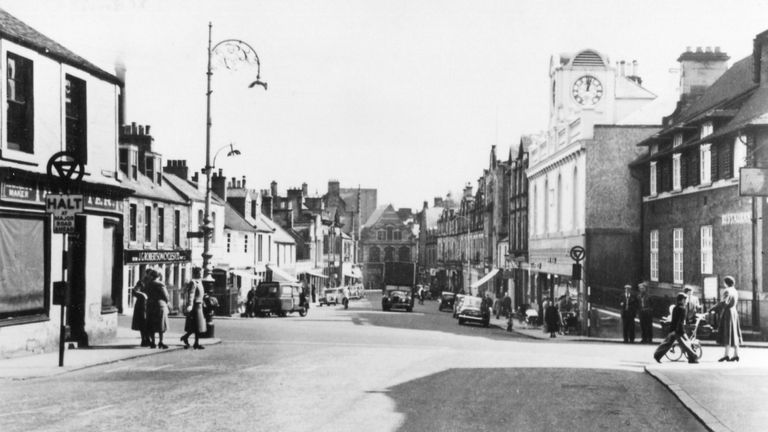
Alloa’s High Street. Pic: Clackmannanshire Archives

Alloa’s High Street now
Ms Yule said from the mid-19th century onwards, improvements were made to the roads, drainage and sewerage.
There were also a number of philanthropic business owners, including the Forrester Patons and Thomson Patons, with John Thomson Paton gifting Alloa Town Hall and the public baths and gymnasium to the locals.
Ms Yule said: “There was a boom in the building trade in the late 19th century with these public buildings and large private mansions, as well as the new accident hospital on Ashley Terrace and a large tenement of shops and offices at Candleriggs.
“The town was a bustling hive of industry during this time, and it would have been great to see it in its heyday.”
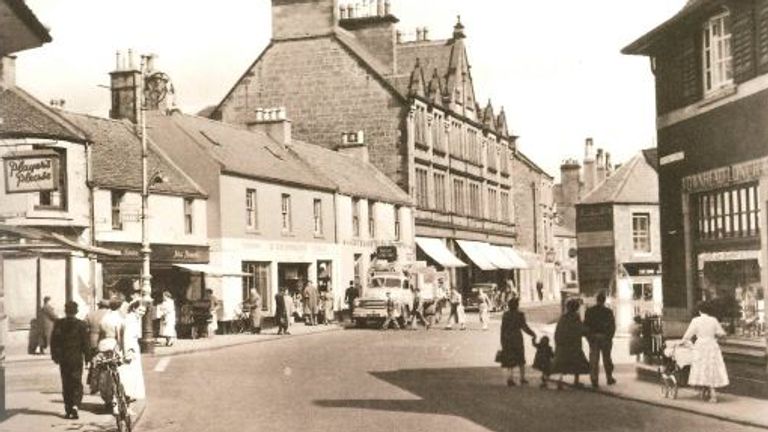
Alloa’s Drysdale Street. Pic: Clackmannanshire Archives via Alloa And The Hillfoot Villages Through Time by Walter Burt
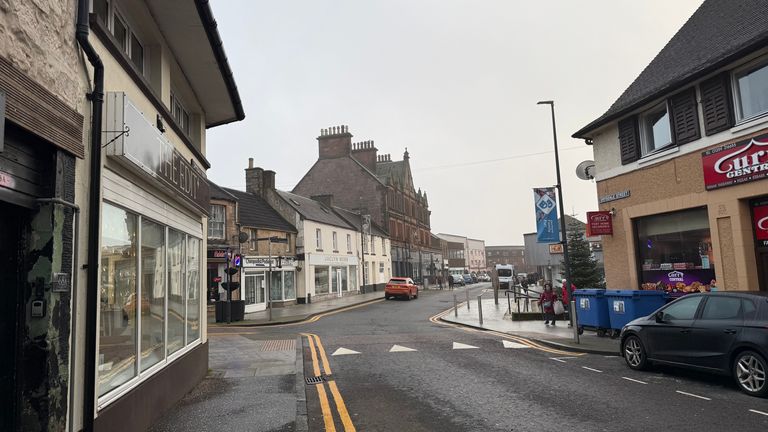
Alloa’s Drysdale Street now
Ms Yule listed a number of reasons why Alloa’s prosperity and wealth of industries fell into decline.
She said: “Road transport took over from shipping. Kincardine Bridge, which opened in 1936, improved road links and reduced river traffic.
“It was easier for goods to be shipped to Grangemouth, and Alloa’s port received fewer vessels.”
Ms Yule also pinpointed the economic decline in markets in the 1970s and the collapse of Scotland’s industrial base that continued into the 1980s.
She added: “The whisky surplus of the 1980s – overproduction and decline in demand – led to the closure of Carsebridge Distillery.”
There was also a loss of other big industries, including Patons and Baldwins in 1999, due to changes in tastes and fashions, and a decline in knitting as a pastime.
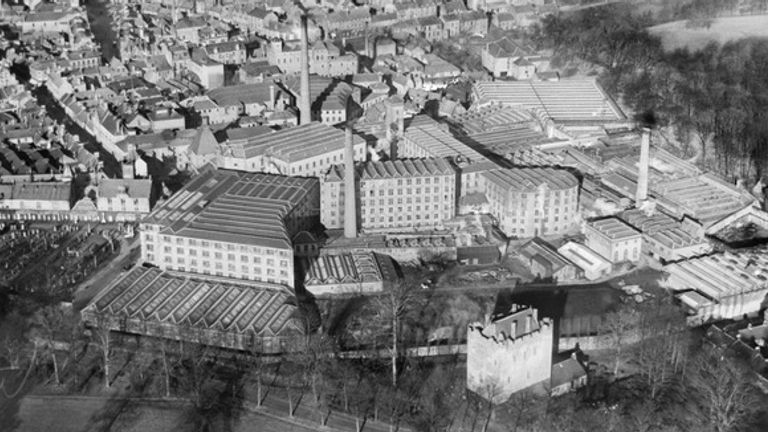
Kilncraigs Mills (Patons and Baldwins) in 1928. Pic: Britain From Above/Historic Environment Scotland
Ms Yule said: “It is no wonder that Alloa suffered after the loss of so much industry in a short space of time.
“Rising unemployment, no new industries coming in to replace the old ones, lack of spending power of residents and local government, and cuts to public services all lead to a crisis of identity, discontent and a lack of ability and resolve to make positive changes.”
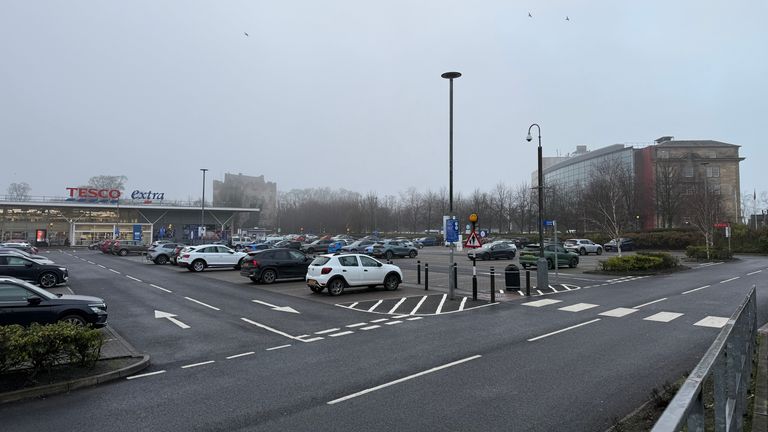
The former Patons and Baldwins complex now houses a Tesco store and Clackmannanshire Council headquarters
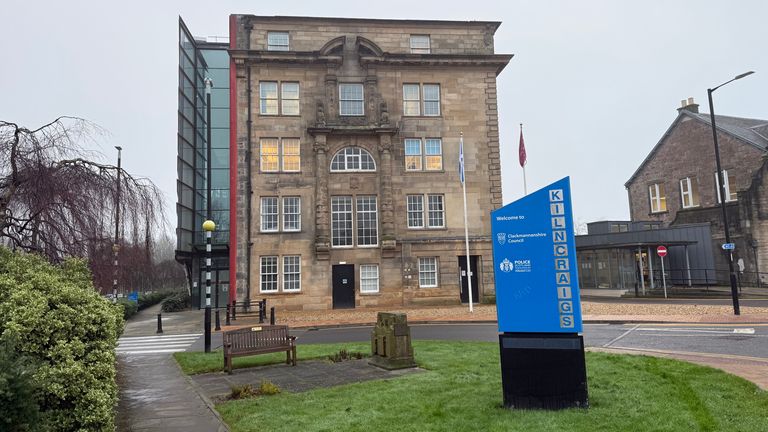
Clackmannanshire Council headquarters
The former Patons and Baldwins complex, known as Kilncraigs Mills, now houses a Tesco store and Clackmannanshire Council headquarters.
Alloa Tower, which dates back to the 14th century, still stands strong.
The fortified tower became the ancestral seat of the Erskine family, the Earls of Mar and Kellie.

Alloa Tower, which dates back to the 14th century, still stands strong
According to the National Trust for Scotland, the family played a pivotal role in the nation’s history through the centuries and were loyal supporters of the Stuart monarchs.
Mary, Queen of Scots and her son, James VI of Scotland/James I of England and Ireland, both spent part of their childhoods there under the guardianship of the Erskine family.
Alloa Town Hall, designed by Alfred Waterhouse (Natural History Museum in London), also continues to host gatherings and events.
Drinks giant Diageo, family-run Marshall Construction, and glass bottle manufacturing firm O-I Glass remain major employers in the region.
However, the permanent closure of Longannet Power Station in Fife in 2016 and the closure of Scotland’s only oil refinery at Grangemouth in 2025 affected workers from Clackmannanshire.
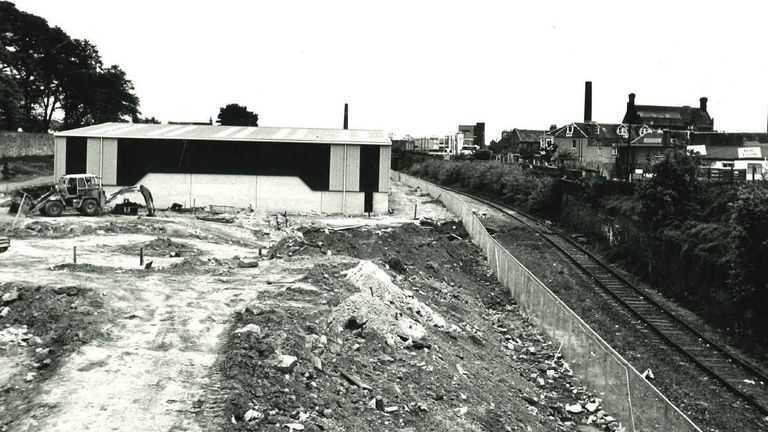
Alloa Leisure Bowl during construction ahead of its eventual opening in 1987. Pic: Clackmannanshire Archives
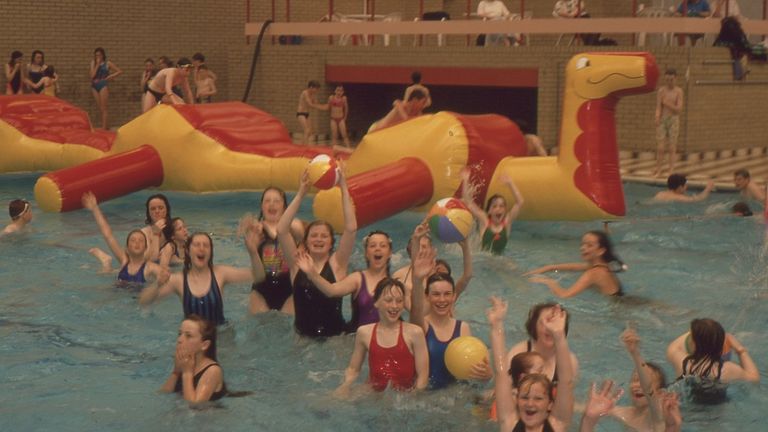
Water fun at Alloa Leisure Bowl. Pic: Clackmannanshire Archives
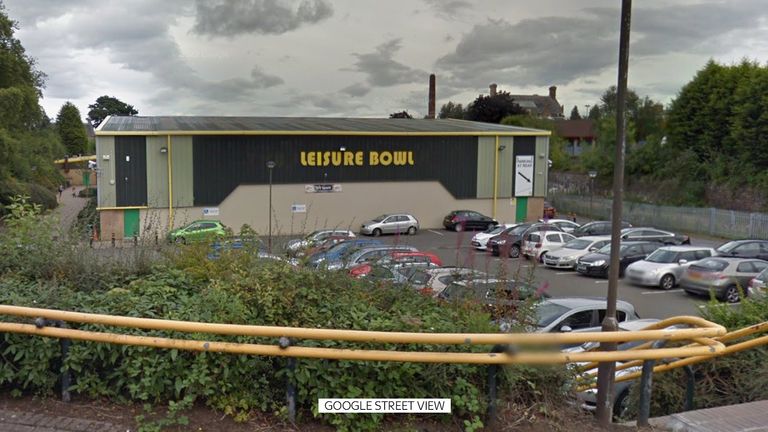
Alloa Leisure Bowl in 2015
The loss of Alloa Leisure Bowl – which opened in 1987 and was later demolished in 2023 after failing to reopen after the pandemic – was also felt by many of the town’s indoor bowlers, swimmers and gymgoers.
Currently, Forth Valley College’s Alloa campus is at risk of closure amid financial pressures.
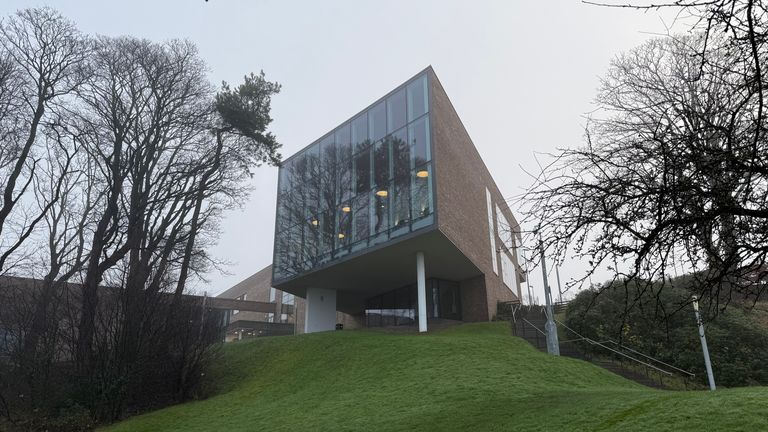
Forth Valley College’s Alloa campus
In 2024, Alloa was ranked as one of the top 10 “most depressing places to live” in the UK in an online poll by iLiveHere.
It was described as “culturally devoid and one of the most deprived places in Scotland”.
That formed part of a Telegraph article in early 2025 – titled “Britain’s most boring towns (and reasons to love them)” – in which Alloa placed third.
The newspaper said the town had a “certain grandeur” as it described Alloa Tower as a “stunner” and the Town Hall as “stately”.
It added: “It isn’t easy to throw the imagination 60 years back, but local historians have done the hard work, and to walk through Alloa, as through any former industrial town, is to walk with ghosts, memories and shadows.”
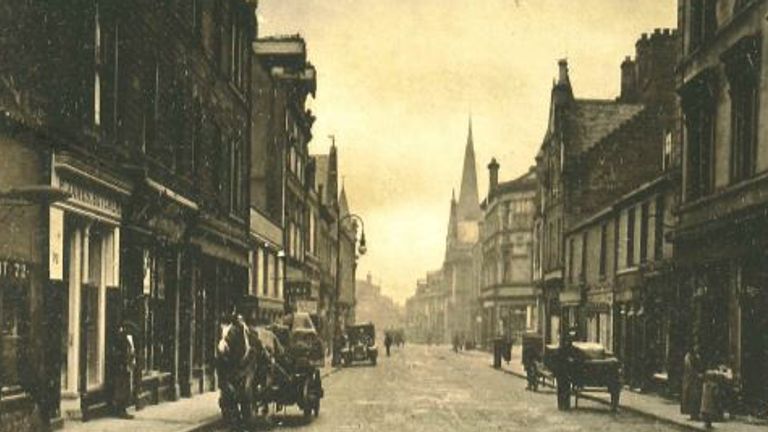
Alloa’s Mill Street. Pic: Clackmannanshire Archives
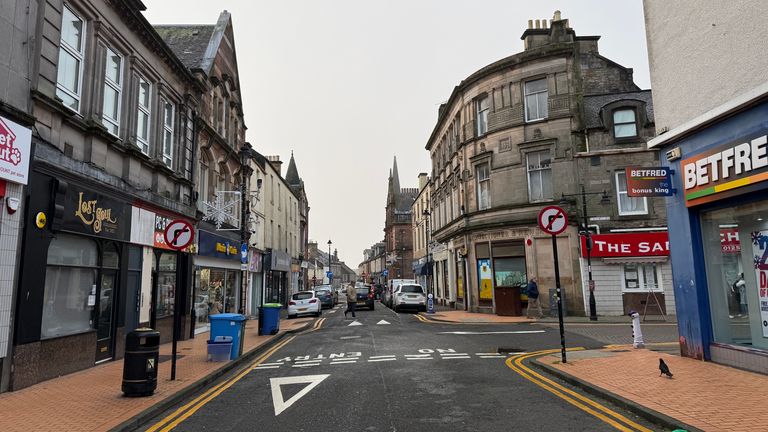
Alloa’s Mill Street now
Ms Yule said the online poll and subsequent newspaper article were both an “unfair view” of the town.
She said: “The Telegraph article did not take into account the wealth of cultural and creative activity that happens in the county.
“It focused too much on failure and none of the local success stories.”
Ms Yule believes Alloa suffers from the “same problems as other post-industrial towns with not enough investment and trying to find its identity again”.
She added: “A lot of people like to complain about their local area rather than volunteering to help do anything to change it for the better.
“It’s always seen as someone else’s job to improve things.”
Ms Yule praised the “passion and efforts” of local individuals, groups and charities that have been essential in trying to “resurrect the creative and cultural life of the county and a sense of civic pride”.
She singled out the Alloa in Bloom project, which has received repeated recognition from Keep Scotland Beautiful.
Resonate Together, a community-led social enterprise, held a Cultural Explorations Festival at the beginning of 2025 and was also behind an open studios event in a bid to bolster emerging artists in the area.
Ms Yule also highlighted the “excellent” Alloa Athletic FC museum at Glasstown House, curated by club historian John Glencross.
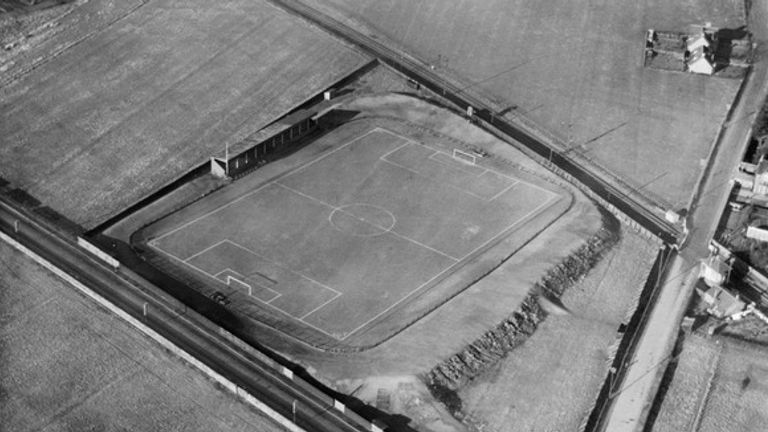
Alloa Athletic’s football ground in 1928. Pic: Britain From Above/Historic Environment Scotland
Clackmannanshire Council’s £71m Wellbeing Hub and Lochies School project has entered its full construction phase.
The state-of-the-art campus will include swimming pools, fitness suites, a games hall, soft play, a wellbeing park, community spaces, and a cafe.
Contemporary classrooms and specialist facilities will be built to accommodate the pupils at Lochies School, which is for primary-aged children with complex additional support needs.
The B-listed Greenfield House will also be transformed into a heritage and enterprise centre as part of the Stirling and Clackmannanshire City Region Deal.
Ms Yule said: “These projects have a lot of potential and I hope that they will provide new focal points for community and cultural events.
“We have been lacking a county museum for decades and we really need a place where we can showcase and celebrate our rich heritage.”