Over 6,000 forced to close after Labour’s inheritance tax shambles
Britain’s farming sector has been hit by an unprecedented wave of closures, with 6,270 agriculture, forestry and fishing businesses shutting down since Rachel Reeves unveiled her inheritance tax changes on agricultural assets.
The Office for National Statistics (ONS) figures, spanning the 12 months from October 2024 when the policy was first announced, represent the highest closure rate ever recorded in the sector.
The data also revealed that fewer people are willing to start new farming ventures following the tax announcement.
This creates a net reduction of 3,045 businesses, demonstrating that Britain’s farming sector is contracting at an unprecedented rate.
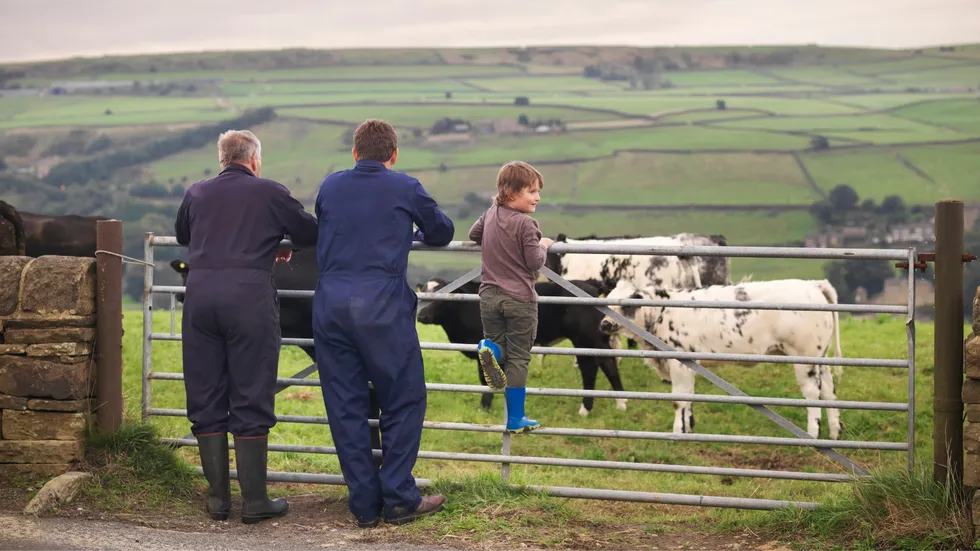
Britain’s farming sector has been hit by an unprecedented wave of closures
|
GETTY
Only 3,225 new businesses launched in the sector during the four quarters to September, meaning a net loss of 3,045 farms – the fastest shrinkage rate on record.
Sir Keir Starmer was forced into a significant U-turn on Tuesday after rural communities pushed back hard against the policy.
When the Chancellor first announced the changes, farming assets worth more than £1million would face a 20 per cent inheritance tax from 2027.
But ministers have now raised that threshold to £2.5million – a major shift that means couples can hand down farming estates worth up to £5million to their children without paying any inheritance tax.
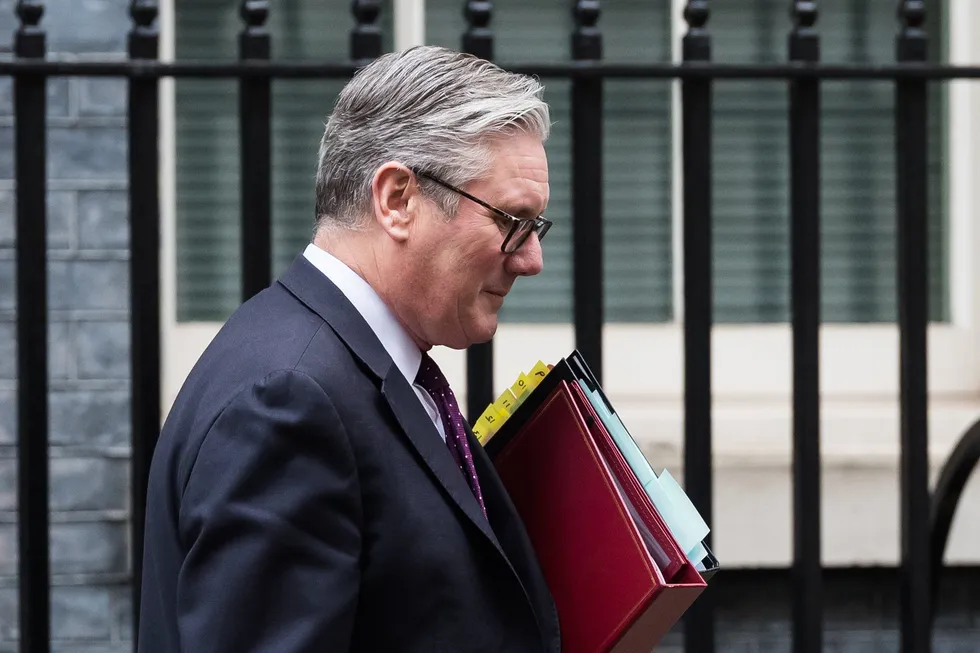
Sir Keir Starmer was forced into a significant U-turn on Tuesday
|
GETTY
The Government has argued the original policy was designed to stop wealthy landowners converting estates into farms purely to dodge inheritance tax.
Farming trade bodies warned at the time it would tear apart family farms.
For some farmers, however, the revised policy arrived far too late. John Charlesworth took his own life just one day before Labour’s tax changes were originally announced.
His 70-acre family farm near Barnsley, Yorkshire, is valued at £2million and would have fallen entirely within the new exemption threshold.
RURAL BRITAIN IN CRISIS – READ MORE:
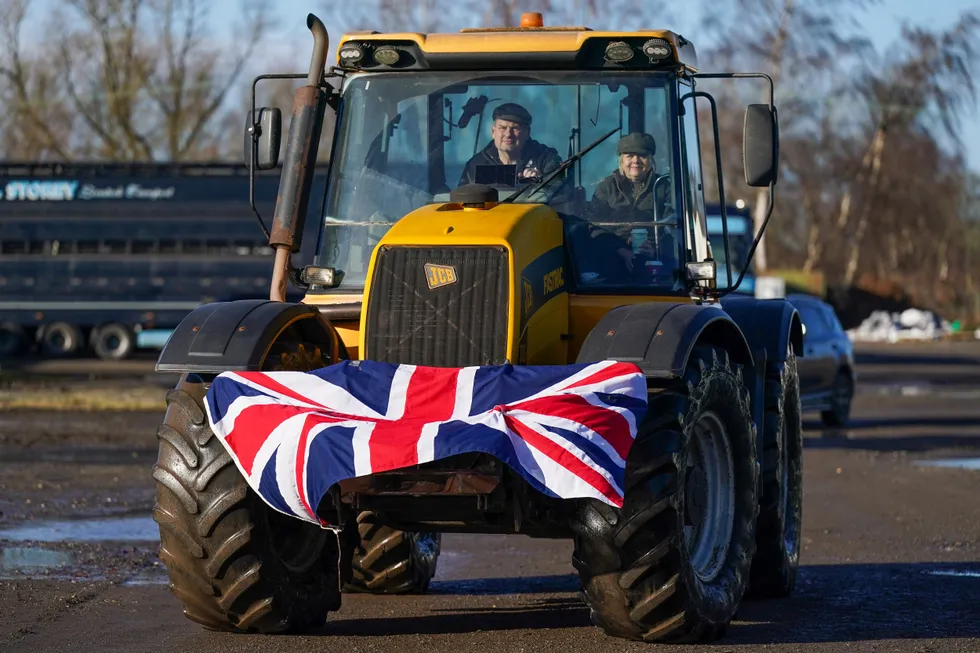
Britain’s farming sector is contracting at an unprecedented rate
|
GETTY
His son Jonathan told The Telegraph: “If we’d known that, if it had been this [£2.5million threshold], he would definitely, definitely still be here.”
According to Government estimates, the increased threshold will reduce the number of farms affected by the tax in 2027 from 375 to 185, with approximately 85 per cent of estates now protected.
Shadow Business Secretary Andrew Griffith warned that the harm inflicted on the agricultural sector could not be undone.
“Even with the belated partial about-turn, a great deal of damage has been done with closures across the sector which cannot be reversed,” he said.
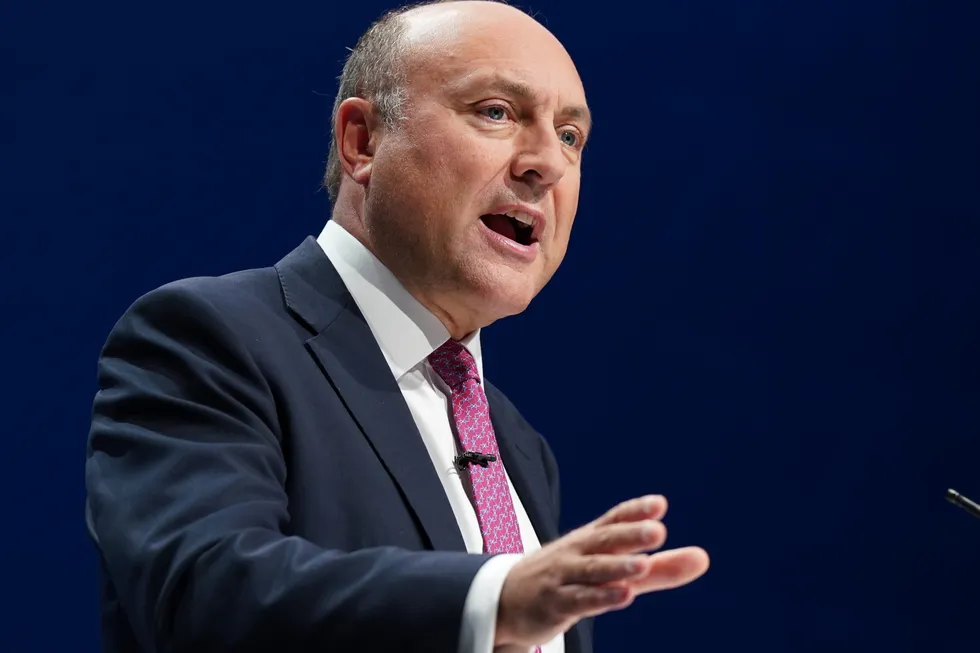
Andrew Griffith warned that the harm inflicted on the agricultural sector could not be undone
|
GETTY
“This Government doesn’t understand business, and it certainly doesn’t ‘get’ the countryside.”
The policy reversal will also substantially diminish the Treasury’s expected revenue.
When modifications to agricultural and business property relief were initially announced in 2024, officials projected receipts of £520million.
That figure is now forecast to fall to just £300million annually by the decade’s end.