Councils under fire as taxpayers fork over £900m for Right to Buy property scheme
Taxpayers have forked over £900million to councils as part of the Right to Buy, shocking new figures have revealed.
Local authorities across Britain have poured millions in public funds into repurchasing properties originally sold through the scheme, a Freedom of Information has found.
These findings reveal councils paid vastly inflated sums to reacquire former social housing stock, with some properties fetching up to 88 times their original sale price.
One particularly striking case emerged in Redbridge, east London, where a property sold for just £5,000 in 2004 was bought back by the council in 2022 for £440,000.
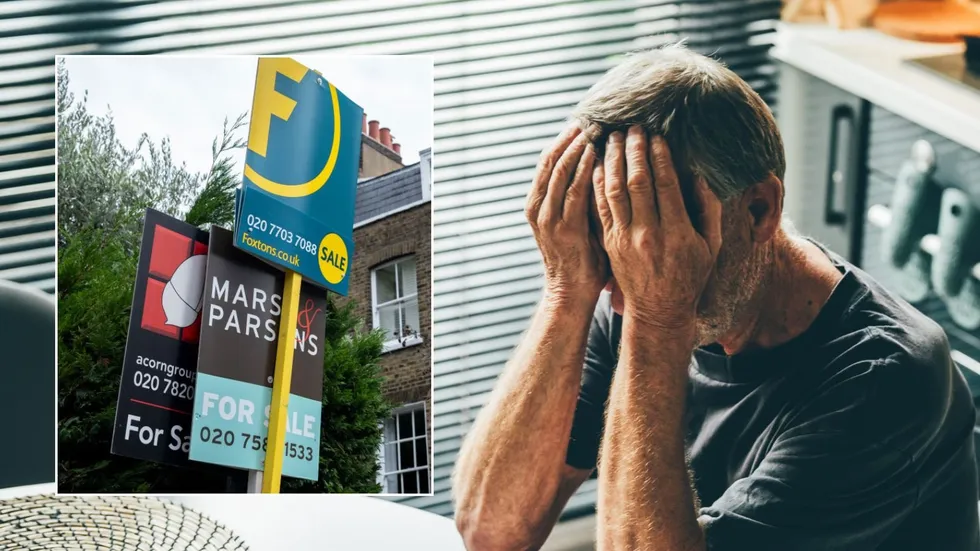
Taxpayers have forked over £900million for Right to Buy
|
GETTY
Former Prime Minister Margaret Thatcher’s flagship policy, launched in 1980, permitted council tenants to purchase their homes at discounts reaching 70 per cent. Decades of sales without sufficient replacement construction have now forced councils to buy back homes at taxpayers’ expense.
Sheffield topped the list of councils repurchasing former social housing, acquiring 628 properties since 2015, according to analysis covering more than 70 local authorities in England, Wales and Scotland.
Edinburgh came second, having bought back 565 homes over the same period. Councils explained that repurchasing existing properties enables them to expand their social housing stock more rapidly than constructing new dwellings.
Some authorities specifically acquired homes for temporary accommodation purposes. The pressure on councils is immense, with over 1.3 million families sitting on waiting lists as of December last year.
Have you bought your home thanks to Right to Buy?
|
PA/GETTYFormer tenants have found ways to profit twice from the system. After holding a property for five years, owners can sell without repaying any portion of their original discount, allowing them to benefit from both the initial reduction and subsequent house price growth.
The Epping property illustrated similar inflation, having been sold in 1994 for £9,430 before the council repurchased it in 2020 for £375,000, representing a 40-fold increase. That authority has reacquired 30 homes since 2016.
In West Lancashire, a house sold in 1983 for £5,015 returned to council ownership in 2019 at a cost of £150,000. A Wolverhampton property that changed hands for £3,619 in 1989 was bought back in 2021 for £115,000.
Some properties doubled in value within just a few years. A Sheffield home purchased through Right to Buy for £37,200 in 2020 was resold to the council in 2024 for £67,760.
Another Sheffield property sold for £58,800 in 2017 was repurchased three years later for £103,703. That owner would have been required to return part of their discount, having sold within the five-year threshold.
Councillor Tom Hunt, chairman of the Local Government Association’s inclusive growth committee, said: “While Right to Buy has delivered homeownership for many, it has had a significant impact on council housing stock. The recent reforms to Right to Buy from the Government are positive.”
Ben Hopkinson, head of housing and infrastructure at the Centre for Policy Studies, argued: “Local councils shouldn’t be spending taxpayers’ money buying houses to bring into social ownership. Instead they should be allowing more homes to be built in their areas.”
London Mayor Sadiq Khan told the Big Issue in November: “We also know there’s a massive housing crisis in London, so I support councils bringing back into council use these ex-council homes, but it’s unfair that people are profiteering.”
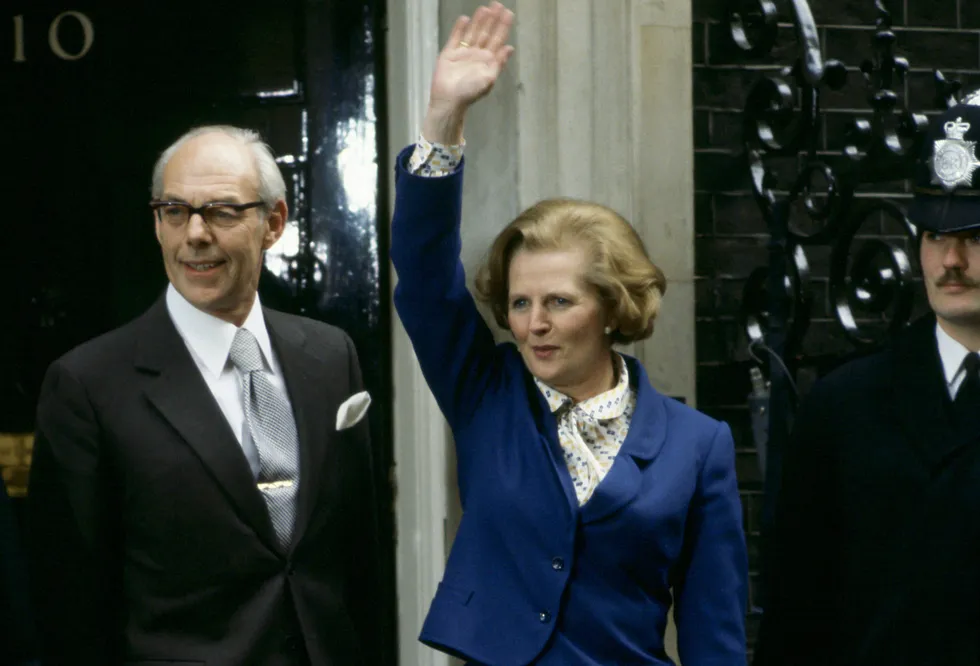
Margaret Thatcher introduced rRight to Buy
|
GETTYThe Labour Government’s Help to Buy reforms will slash maximum discounts to 15 per cent and extend the minimum tenancy requirement from three to 10 years.
A Ministry of Housing, Communities and Local Government spokesman said: “There are simply not enough social homes and this has exacerbated the housing crisis we inherited.
“That’s why we’ve committed £39billion to deliver the biggest boost to social and affordable housing in a generation.
“We’re also reforming Right to Buy to better protect social housing stock and giving councils greater flexibility to use their receipts, so they can build and buy more homes.”