Emiliano Martínez on Messi’s leadership, saving penalties and Argentina’s success ahead of the 2026 World Cup
Emiliano Martinez is among the greatest goalkeeping talents of this generation, guiding Argentina to World Cup glory in 2022, the nation’s third time in its history.
Known as much for his personality and mental strength as for his performances on the pitch, the Aston Villa goalie’s breakthrough came later than most. But when it arrived, it shook the world of football. Now, GB News provides rare, close-up access to the man behind the gloves.
“I’m obsessed with improving”, said Martinez. “Sometimes I’m unbearable.”
Even now, as a World Cup winner, Golden Glove recipient and national hero, the Argentine speaks harshly about his flaws and admits he didn’t always believe he was destined for greatness.
To some of the approximately 1.5billion fans around the world who tuned in to watch the icon face France in the 2022 World Cup final in Qatar, Martinez is defined by moments of chaos and courage: penalty shootouts, mind games, and that late save that tilted history.
Inside the profession, however, he is known for something quieter and more unsettling – an almost pathological dissatisfaction with his own performances. If anything, success sharpens the scrutiny.
From leaving home at 12, to arriving in England terrified at 16, to spending years on loan, wondering if his career would ever truly begin. Martinez, now 33, anchored at Aston Villa, is central to Argentina’s modern golden era. During the 2019/20 season, Martinez was thrust into Arsenal’s starting line-up following an injury to Bernd Leno.
At Villa, Martinez found the continuity he had lacked, establishing himself as a defensive leader and translating club consistency directly into international performances. The platform Villa provided became the foundation for his rise with Argentina.
Now, the World Cup has been won. But another looms as Martínez once again finds himself defending “that little goal”.
He spoke of previously kept secret moments between him and his teammates: “The night before, we stayed until 3am playing basketball with 12 players. Lautaro (Martinez), who scored the penalty goal, was there. Our match was at 10am. We had to loosen up. That was my role within the team.”
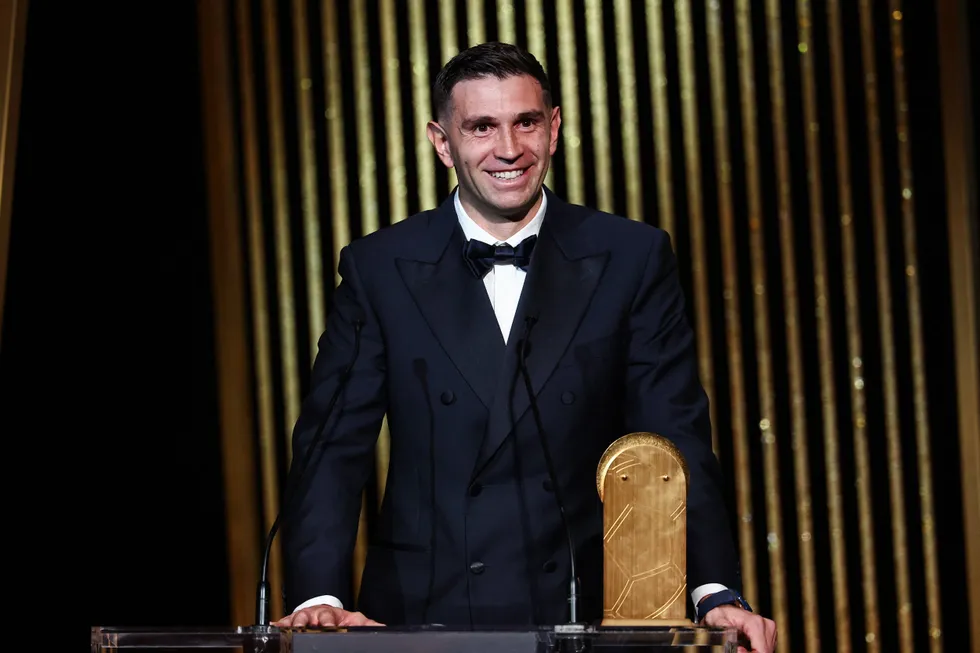
Emiliano Martínez is among the greatest goalkeeping talents of this generation
|
GETTY
‘I prefer to face a European team than an African or a South American’ – looking ahead to 2026 World Cup
“I feel better at 33 than at 23,” Martinez said, as he admitted he is not counting down the days to the next World Cup just yet.
The Argentina goalkeeper said he feels better prepared than he did a decade ago, both physically and mentally, as attention gradually turns toward the 2026 North American tournament. Rather than obsessing over the tournament still months away, Martinez is focused on steady improvement.
He added: “You don’t overanalyse it until the moment comes. I can’t be thinking now, ‘I have a World Cup in six months.’”
“I don’t think about it because there’s still a lot of time. I want to improve from now until then, physically and nutrition-wise.”
From Copa America triumphs to enduring the extraordinary pressure of a World Cup final, Martinez has built a reputation as a goalkeeper who thrives when the stakes are highest. Yet he reduces his role to something far simpler.
“For me, it’s the same,” he explains. “I have to defend that little goal so that it doesn’t go in. We want fewer than four goals to go in until the final.”
Martinez has also weighed in on how different regions may cope with the demands of a tournament set to be the largest in football history. With an expanded field and matches spread across vast distances, he believes conditions will play a decisive role.
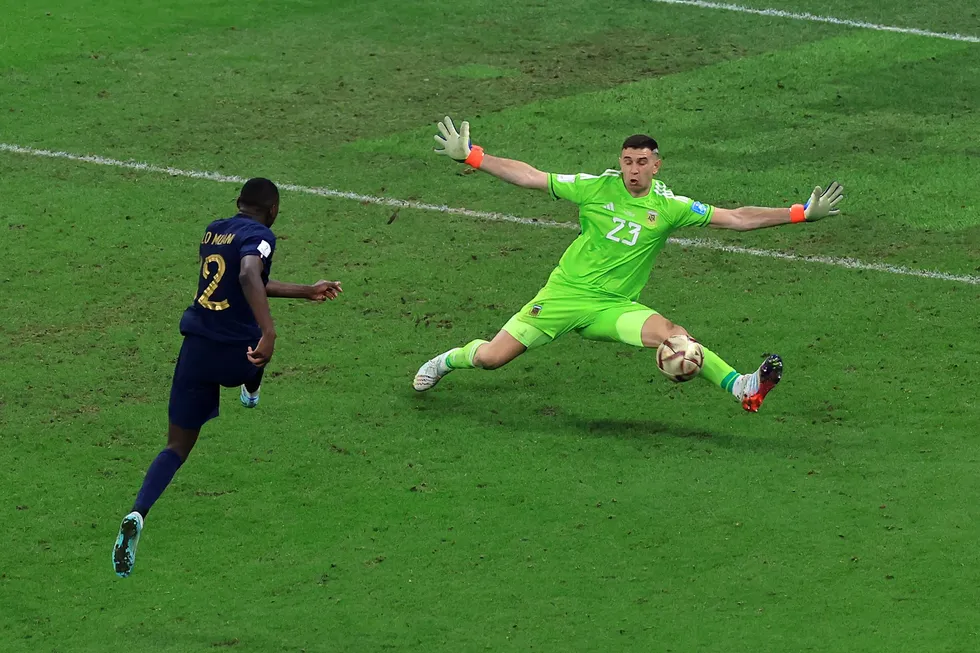
The Argentine goalkeeper said he feels better prepared than he did a decade ago
|
GETTY
Drawing on his experiences with Argentina in Copa America tournaments across South America, including long travel days, extreme heat, and demanding schedules, Martinez suggests that South American and African teams may be better equipped for what lies ahead.
“We’re used to heat, travel, and tough conditions,” he has said, recalling tournaments marked by dry pitches, long journeys, and limited recovery time. According to Martínez, the cumulative toll of travel and climate can catch up with teams over a month-long competition.
In contrast, he believes European sides could face greater challenges. The physical strain of playing, travelling, and training repeatedly in hot conditions, he argues, can wear teams down over time.
“I think Europeans will struggle more than South Americans or Africans,” Martínez said, “South American and African teams are used to the heat, to playing with that intensity.
“Maybe I’m wrong, but I see it as very, very difficult to face an Ecuador, a Colombia, a Senegal, a Cote d’Ivoire, than a Holland or a France.
“I prefer to face a European team more than an African or a South American.”
It is a striking claim from a player who has faced – and beaten – some of the strongest European teams on football’s biggest stage as England, Scotland, and 14 other European nations prepare to join the expanded field in 2026.
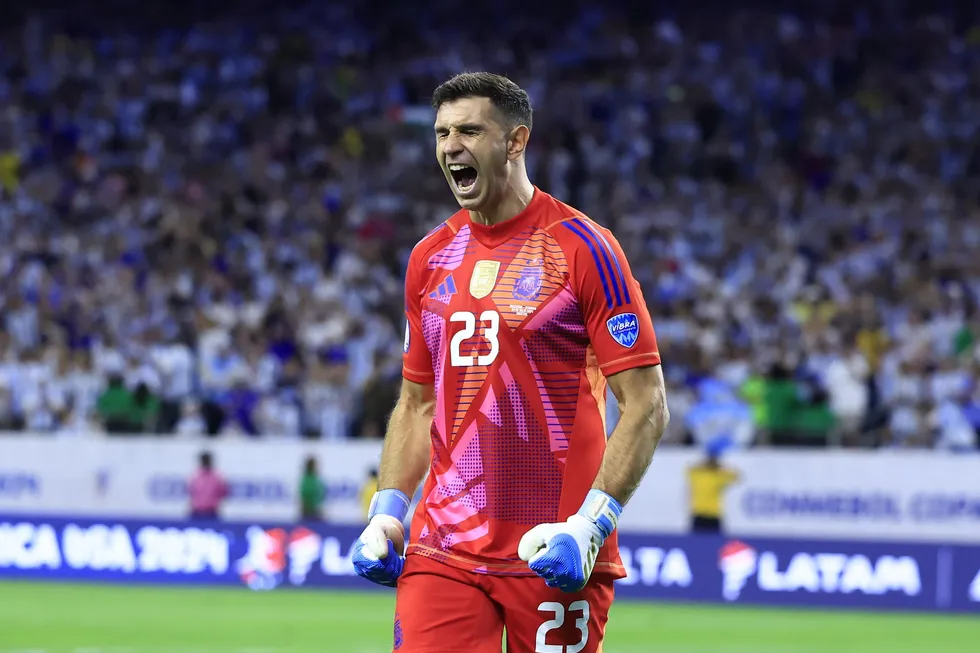
The Argentina goalkeeper believes it is a mindset that has shaped his career and underpinned his success at the highest level
|
GETTY
‘My job in the national team isn’t only to save shots’ – The elite level mentality
The Argentina goalkeeper believes it is a mindset that has shaped his career and underpinned his success at the highest level.
“I can joke all day,” Martinez said. “But my hour and a half of work is serious.” He prides himself on discipline and accountability, making it clear that standards matter. “If someone doesn’t work, I’m the first to tell him.”
In his first Premier League season as a regular starter, he recorded four clean sheets in his opening seven matches and finished the campaign with 15 shutouts in total. However, for Martinez, performance is about more than individual excellence; he views his role, particularly with the Argentina national team, as extending well beyond goalkeeping.
“At high performance, if you don’t have that looseness and happiness as a group, it’s very hard to achieve things,” he explained. “My job in the national team isn’t only to save shots—it’s to create a group.”
Despite the goalkeeper’s huge presence, Lionel Messi remains the team’s iconic figurehead, an inspirational leader who leads quietly by example and through the weight of his legacy. Martinez, by contrast, is vocal and emotional, seeing himself as an alternative leadership presence alongside the captain.
That dynamic was on full display during Argentina’s triumphant run in Qatar, with Martinez revealing a moment before the World Cup final when everyone- from players to kit staff -gathered for a final talk.
Martinez recalled: “Leo (Messi) said, ‘This one can’t get away from us.’ He had already lost a World Cup final. And during his serious speech, I started joking: ‘Don’t be scared, let’s play like we always do.’ Everyone laughed. That balance helps. Sometimes, before a final, I might cry, too. That emotional side helps the group.”
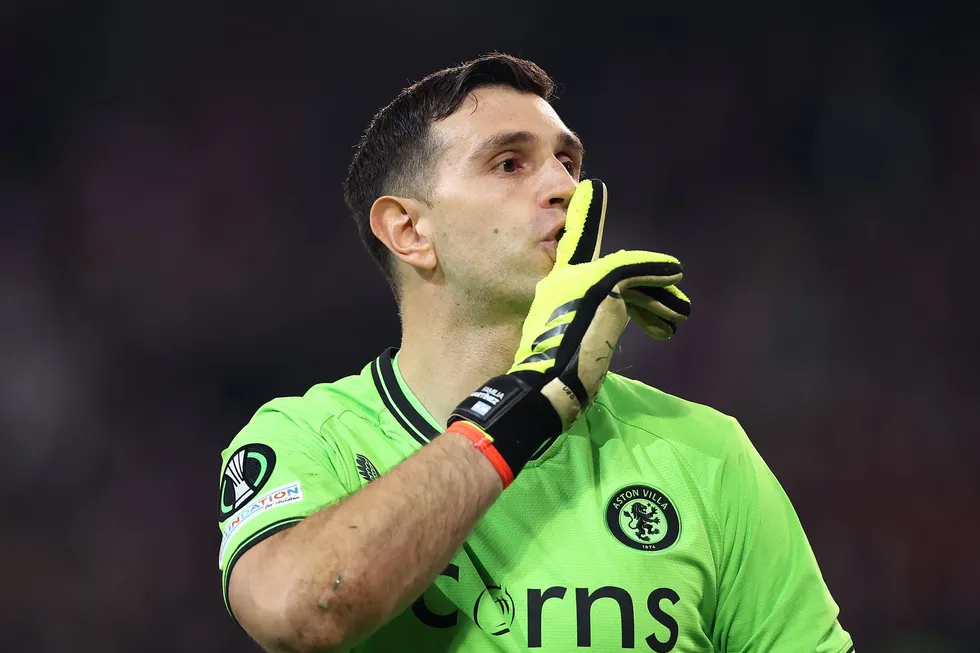
Emiliano Martinez moved from Argentina to England as a teenager and joined Arsenal before moving to Aston Villa
|
GETTY
He credits mental strength as the dividing line between those who reach the top and those who fall short.
“If you keep saying, ‘I won’t play, I won’t make it,’ you end up believing it,” he has said.
Martinez moved from Argentina to England as a teenager and joined Arsenal after a successful trial in 2009. “I was terrified,” he recalls. “I saw the stadium and thought, ‘I’ll never play here.’”
Multiple loan spells followed, and opportunities were slow to come. At one point, Martínez considered returning home, convinced he had the ability but unsure if he would ever get his chance.
He said: “I came because my family wasn’t doing well financially. I wanted to help them. That was my challenge. People say, ‘You spent 10 years here, went on loan so many times’. But I accomplished my mission – my family didn’t suffer.”
The Argentine goalkeeper added: “I always lived off challenges,” he said. “And I never imagined I’d reach where I did.”
In an era where talent is abundant, Emiliano Martinez stands as a reminder that elite mentality can be just as decisive as elite ability.
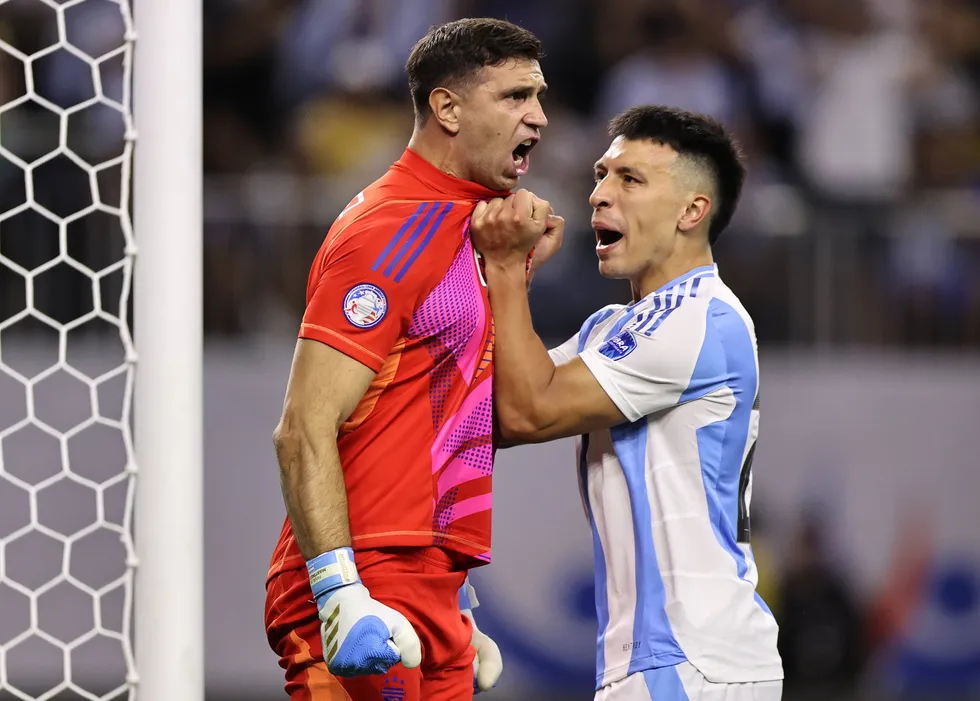
Emiliano Martinez claims penalty saving is rooted in simplicity and belief
|
GETTY
‘I always go with my gut’ – The secret to penalties
In the modern era, elite football is shaped by data, analytics, and technology.
“Penalties after a game are completely different to in a match,” Martinez has explained. “There’s tension. For me it should be another sport. Your team stays in one half of the field looking toward one goal, everyone on the bench can be standing. It’s totally another vision compared to a match,” he said.
“When you face a penalty in the 90th or 120th minute, the bench has to be seated, your teammates have to keep playing. Everything continues. That’s it. Football ended. Now we’re going to play penalties.”
This understanding of the shootout as a separate psychological battle has helped define Martinez’s career, and the South American has always recognised it as a strength in his game.
“All my life I was a penalty saver, since I was a kid,” he said. “It’s something I always felt comfortable with.”
For Martinez, penalty saving is rooted in simplicity and belief. “There are only four options: left, right, the middle, or miss,” he explains. His confidence comes from knowing his own reach and trusting his instincts. “If I believe that if I go left I’ll reach the post, then I’m calm.”
That calmness became one of the defining features of the 2022 World Cup in Qatar. Argentina were taken to penalties twice during their title run, and on both occasions Martinez decisively shifted the balance.
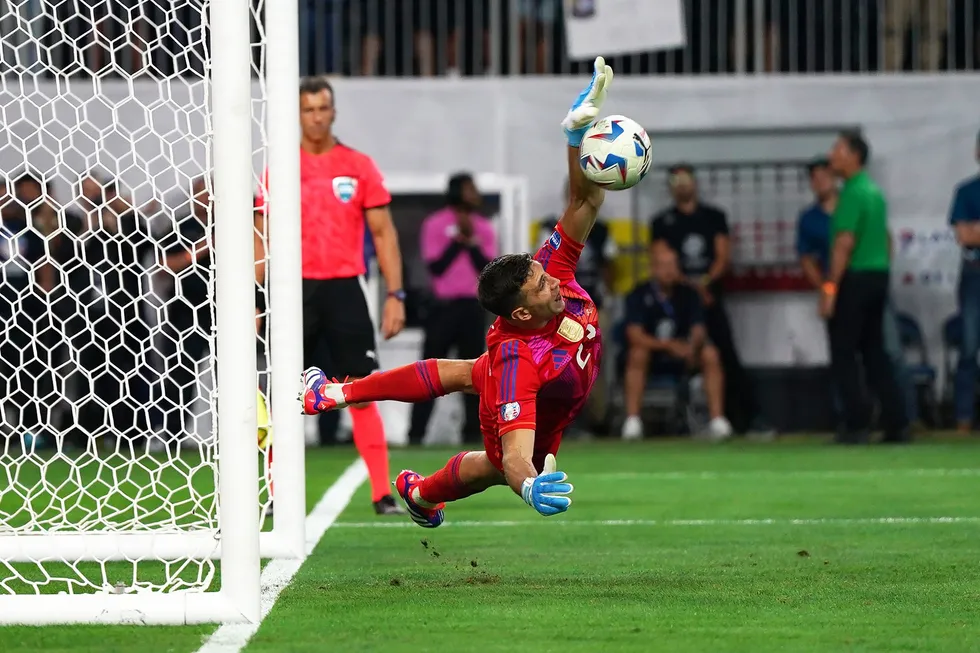
Argentina triumphed 4-2 in the World Cup final shootout with Emiliano Martinez proving crucial
|
GETTY
In the quarter-final against the Netherlands, after a chaotic 2-2 draw, Martinez saved the opening penalty from Virgil van Dijk and then denied Steven Berghuis. Those early interventions immediately put pressure on the Dutch, while Argentina converted four of their five kicks to secure a 4-3 shootout victory.
In the final against France, after a 3-3 draw in one of the most extraordinary World Cup finals in history, Martinez saved Kingsley Coman’s penalty and unsettled Aurelien Tchouameni, who missed his effort, as Argentina triumphed 4-2 in the shootout.
Across the tournament, Martínez saved three penalties in shootouts and maintained Argentina’s perfect World Cup shootout record during his time as first-choice goalkeeper.
His performances cemented his reputation as football’s ultimate shootout specialist and contributed to his recognition as a Yashin Trophy winner.
Yet, despite the growing reliance on statistical analysis, Martinez insists that data plays little role in these moments. After Qatar, he noticed a shift in opponents’ approach, with more players aiming down the middle, aware of his tendency to dive decisively to either side.
“If I based my decision on statistics, it really hurts me,” he said. “I never base my decisions on statistics that I have studied. I always go with my gut. I trust my intuition more than an iPad.”
Many of the players he had prepared for in the final, such as Olivier Giroud, Antoine Griezmann, and Raphael Varane, were no longer on the pitch by the time penalties arrived.
“None of the ones I had studied were on the field,” Martinez recalled. “I went with my gut and it worked.”
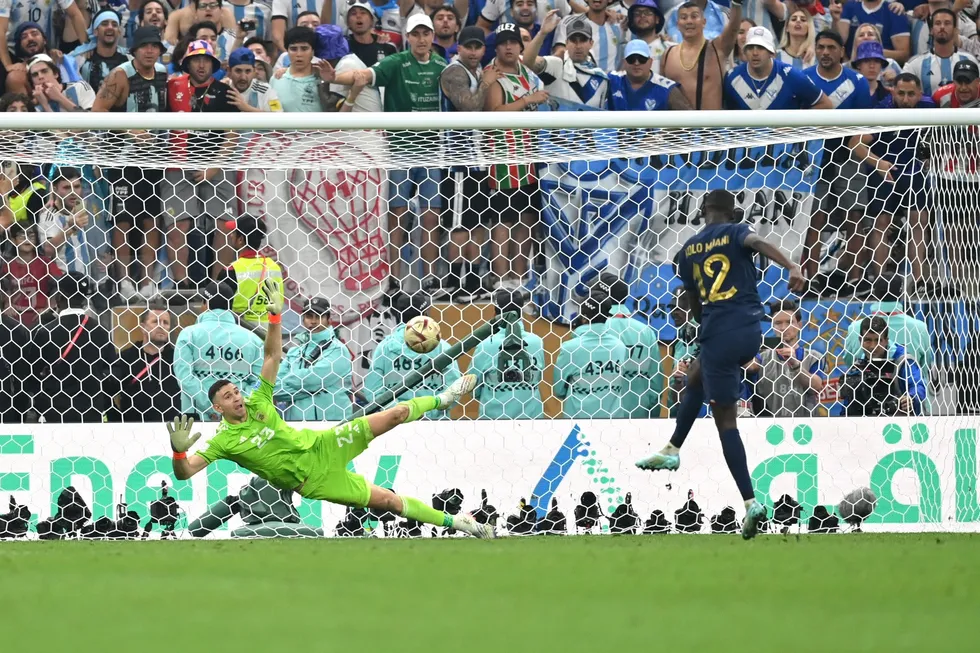
Many of the players he had prepared for in the final were no longer on the pitch by the time penalties arrived
|
GETTY
‘I could have done more’ – Reaching the heights on the International stage
Martinez’s first Copa América, played in Brazil, saw Argentina concede four goals, yet the 6ft5 stopper emerged with confidence, producing crucial saves and denying Colombia three times in a dramatic penalty shootout.
“I had a good tournament. I felt very good,” he recalled, seeing the tournament as a foundation rather than a finished product.
From there, he won the Finalissima against Italy, had a strong group-stage showing, and then played in the World Cup in Qatar, where Argentina lifted the trophy.
Speaking on his own performance during the World Cup-winning campaign, he admitted: “They scored eight goals against me. Technically, there were things I discussed with my coach. But if you look at the post-World Cup period, in the Copa America, I had my best tournament with the national team.”
Argentina conceded just once, against Ecuador. Pointing to the subtleties often overlooked outside the position, he said: “Those are things you see as a goalkeeper.”
While fans and pundits often focus on his penalty heroics against the Netherlands and France, Martinez is quick to shift attention to the phases of matches that came before the shootouts. He is candid about moments he believes could have been handled better.
Speaking on mistakes he made in the World Cup winning campaign, he said: “The two goals against the Netherlands—I was moving too much, not well set.”
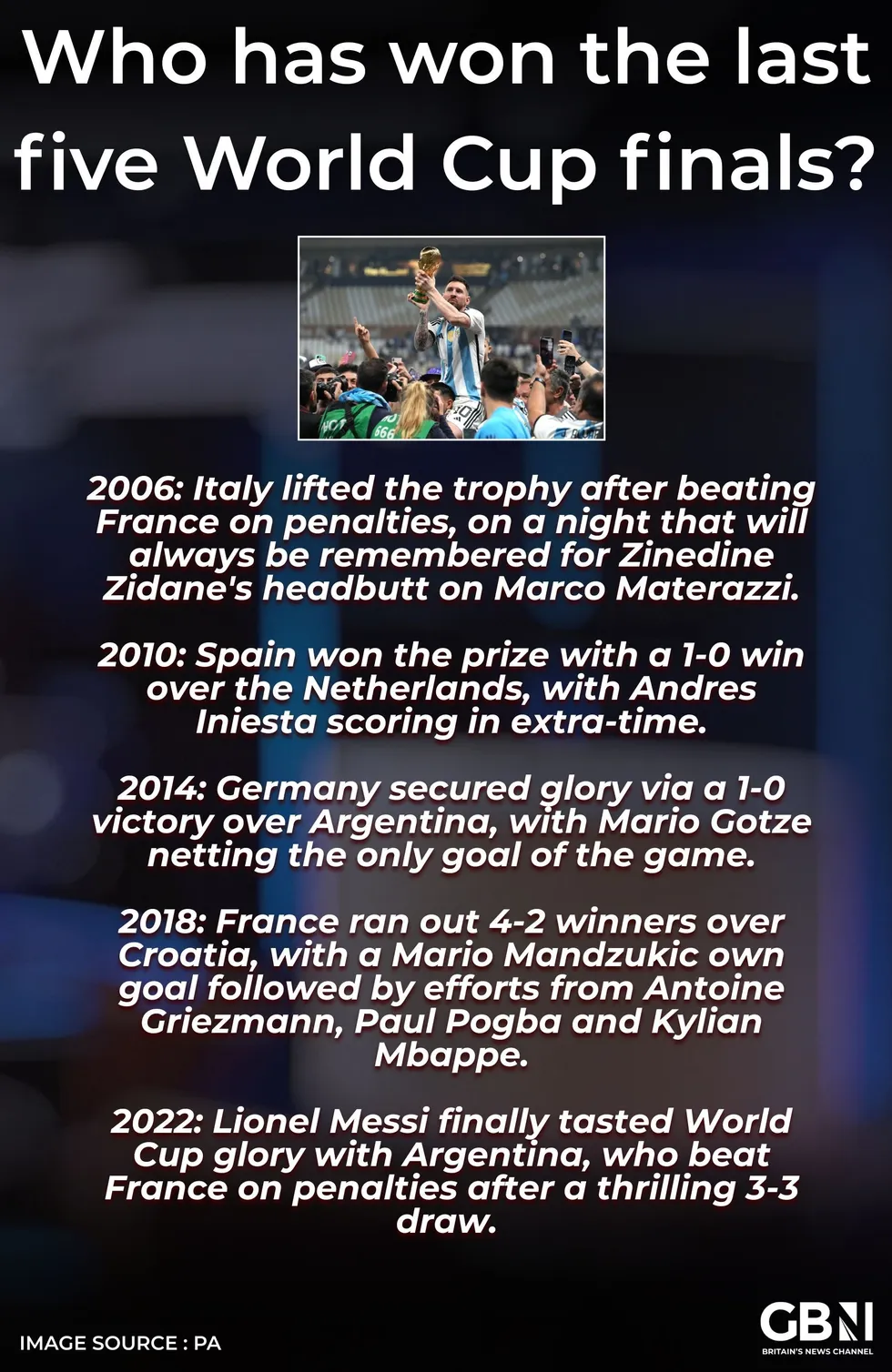
Emiliano and Argentina will be hoping to go all the way at the World Cup next summer
|
PAHe added: “Mbappe’s second goal too. You felt…I didn’t ‘mess it up,’ but I could’ve done more. Not reached the point of penalties or extra time.”
“I talk with my centre-backs and tell them: in this World Cup, we need to concede fewer goals. It’s something collective we feel. Everyone says forwards win matches, but defences win titles.
“And I have a defence in this team that’s obsessed with not conceding goals, and that helps me a lot.”
Looking ahead, the prospect of defending a World Cup crown represents one of the greatest challenges in football. Winning back-to-back titles would place Martinez among the most decorated players in the game’s history.
“I relish a challenge,” he said. “I hate comfort zones.”
Martinez left home at 12, endured six loan spells, and eventually made the difficult decision to leave Arsenal after 11 years, a club he spoke of with affection. He is now a key player for Aston Villa, which he credits for giving him a platform to the national team.
“Aston Villa gave me a solid ground to play for Argentina,” he said. “It was the perfect combination for my career.”