Rachel Reeves exposed as officials speak out to ‘set record straight’ and take aim at ‘misleading’ Budget forecasts
Rachel Reeves has suffered a further setback after OBR officials spoke out to “set the record straight”.
Professor David Miles revealed that the OBR watchdog had expressed concerns about information appearing in the press that “wouldn’t normally be out there”.
Speaking to MPs, the member of the OBR’s Budget Responsibility Committee said they needed to “set the record straight” regarding the economic forecasts provided to the Chancellor, as misleading narratives had taken hold.
Questioned on a letter sent to the Treasury Committee about the forecast documents, Professor Miles explained: “I think we felt that there was a need in that letter to set the record straight on the process by which the forecasts were created at the OBR, and in particular, to remove some misconceptions about them that we saw circulating in the media.
“We know that this committee has a strong legitimate interest in our processes and how they’re done, and so you deserve to know things.
“And we were planning to wait until immediately after the budget to release the letter that came to you.”
The economic forecaster found these disclosures problematic and made their displeasure known to Government officials.
He explained that whilst no formal complaint was lodged, the OBR had communicated that the situation was “unhelpful”.
Professor Miles told MPs: “It was clear that there was lots of information appearing in the press which perhaps wouldn’t normally be out there, and that this wasn’t, from our point of view, particularly helpful.”
Grilled on whether anyone from the OBR “raised the issue”, he stated: “I think it was clear that we didn’t find this helpful, and we made that clear.”
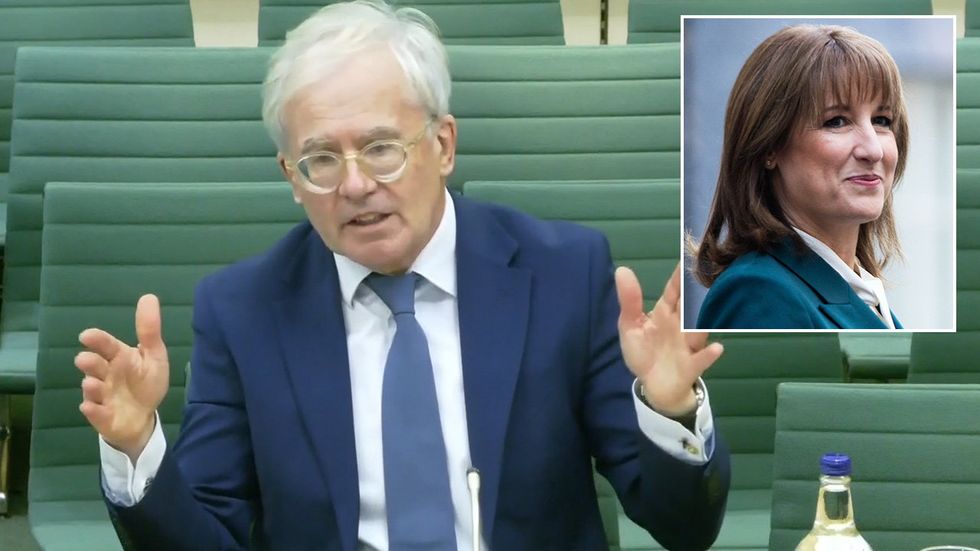
Professor David Miles told MPs that the committee was forced to ‘set the record straight’ amid the Budget chaos
|
PARLIAMENT TV / PA
The briefings created an impression that the watchdog’s forecasts had been volatile, which Professor Miles said was “adding to the difficulties of this Budget”.
The watchdog found itself unable to correct these misconceptions directly whilst maintaining confidentiality protocols.
“We were not in a position of course to put them right,” Professor Miles told the committee, highlighting the constraints the OBR faced.
He added: “There was an unfortunate incident, early access by some parties to the document, and so we were spending most of the immediate aftermath of the Budget dealing with that, trying to set up the panel to investigate it.
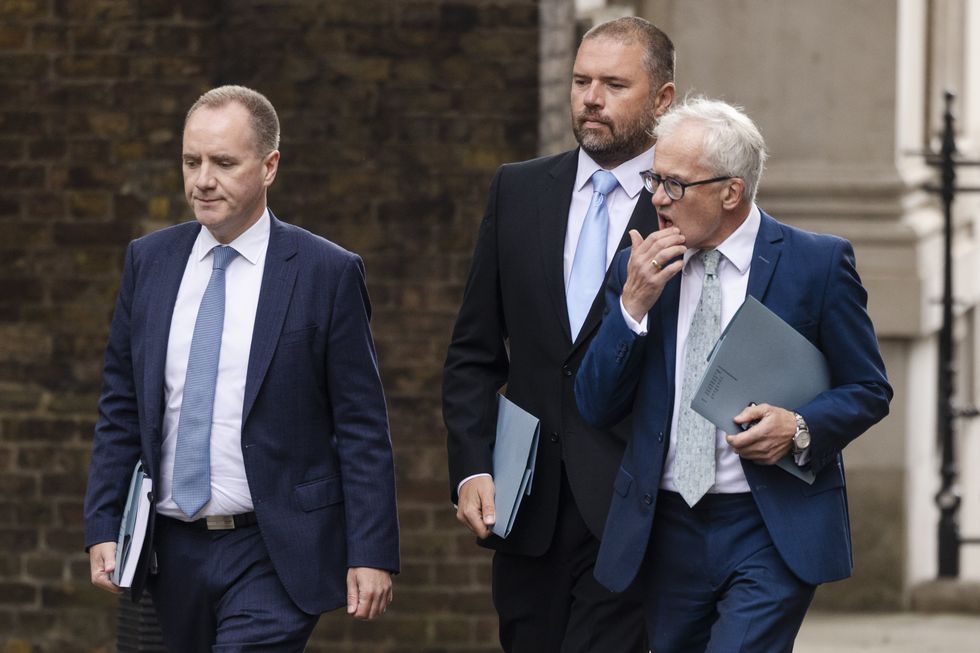
Chair of the OBR, Office For Budget Responsibility, Richard Hughes, (left) has resigned following the Budget leak
|
GETTY“I think it might have appeared to some reading the media that the OBR came under certain pressure and may have acceded to that pressure on several things.
“For example, moving the window that we use to assess market expectations of interest rates in a direction which might have been helpful to the government. There was some speculation over that.”
Professor Miles defended the Chancellor’s pre-Budget address on November 4, stating it wasn’t “inconsistent” with the OBR’s assessments, despite the forecasts showing only a minimal £4.2billion margin for meeting fiscal rules.
He interpreted Reeves’ message as acknowledging the challenging fiscal environment and difficult decisions ahead, which aligned with the OBR’s finding of “wafer-thin” headroom.
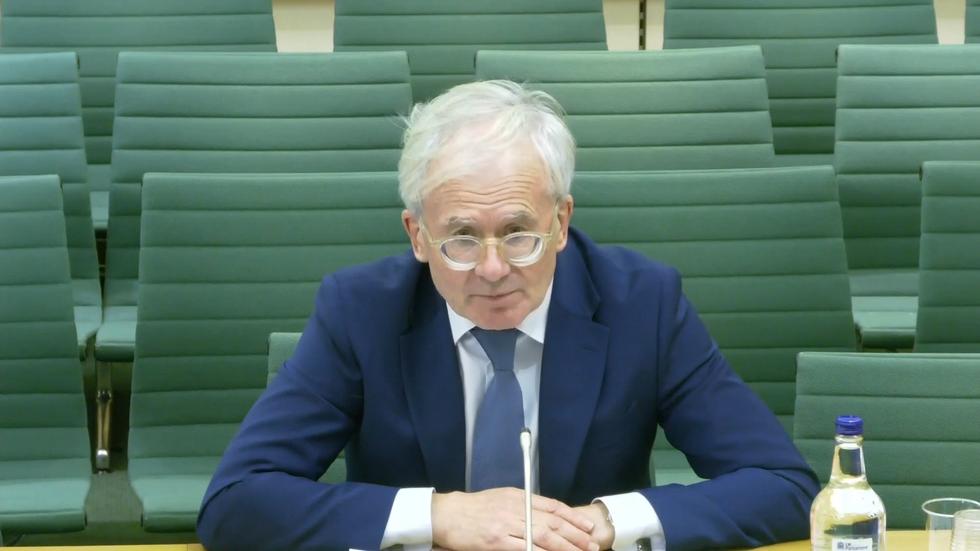
Professor Miles told the committee that he hopes for a ‘somewhat smoother than the process we’ve just been through’ in future
|
PARLIAMENT
The Chancellor had warned about productivity downgrades impacting public finances, fuelling speculation about potential income tax increases that would breach Labour’s manifesto pledges.
When plans for income tax rises were subsequently abandoned, Treasury sources suggested improved OBR forecasts, though Professor Miles confirmed no positive developments had occurred during that period.
“It’s certainly true that there wasn’t any immediately good bit of news in that particular window,” he stated.
Professor Miles sought to dispel suggestions of hostility between the institutions, stating: “I wouldn’t say we were at war with the Treasury.”
He acknowledged the OBR’s dependence on Treasury analysts and other government departments for evaluating policy measures.
Looking ahead, he expressed optimism for improved collaboration, telling MPs: “I hope we can run a process in the future – and we’ll do everything we can – that is somewhat smoother than the process we’ve just been through.”