Robert Mueller, former FBI director who investigated Donald Trump’s campaign ties with Russia, dies | US News
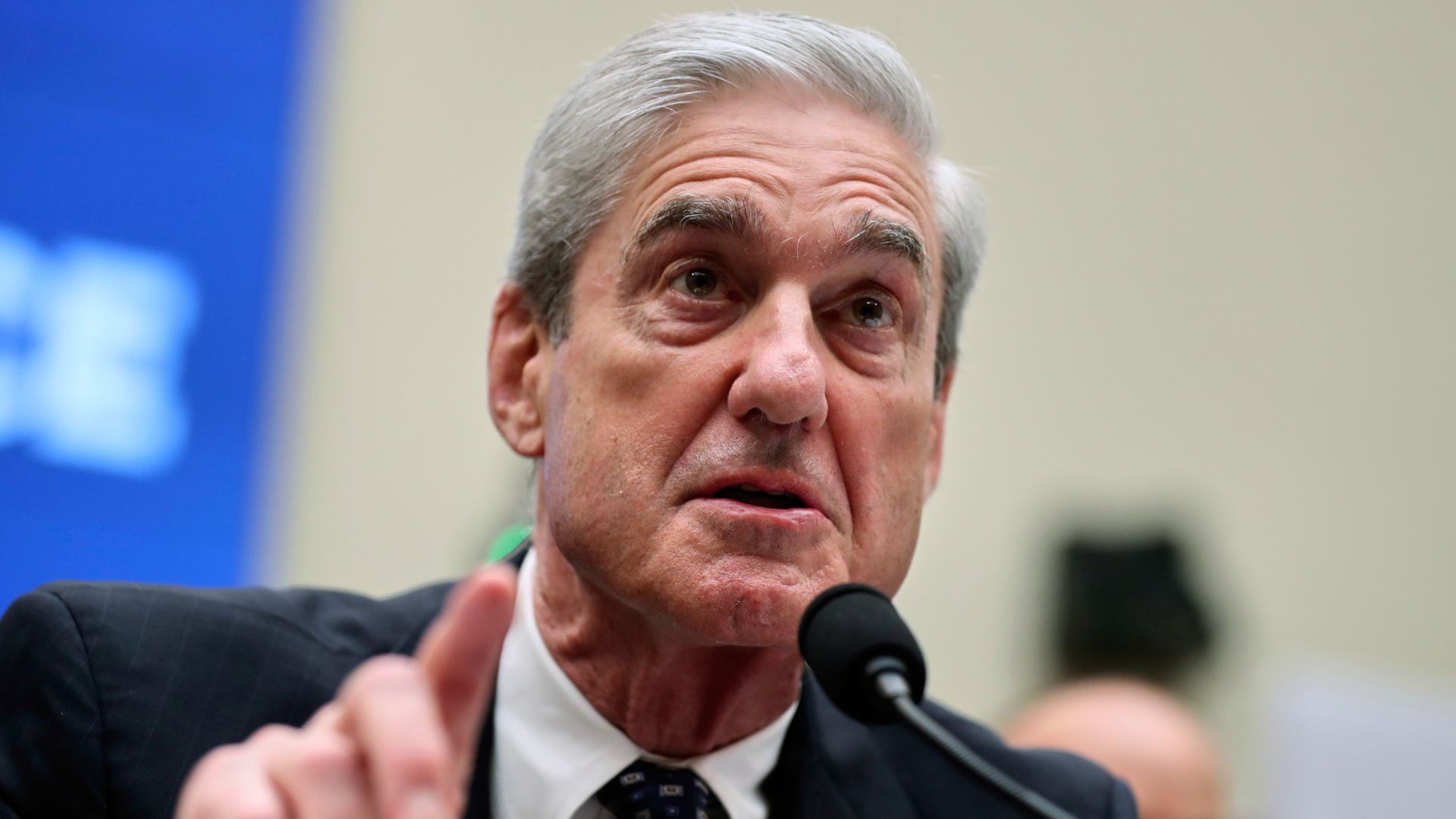
Former FBI director Robert Mueller, who investigated Trump’s campaign ties with Russia, has died at the age of 81.
His family said in a statement on Saturday: “With deep sadness, we are sharing the news that Bob passed away.”
Mr Mueller, who died on Friday, returned to public service as special counsel in the Trump-Russia inquiry.
Responding to news of his death on Truth Social, the US president wrote: “Robert Mueller just died. Good, I’m glad he’s dead. He can no longer hurt innocent people!”
Mr Mueller transformed the nation’s law enforcement agency into a terrorism-fighting force, joining just one week before the September 11 attacks.
Nominated to the post by former Republican President George W Bush, he remained director for 12 years.
His time was defined by the 2001 terrorist attacks on the US and its aftermath. The FBI was granted broad new surveillance and national security powers as it became increasingly challenged by threats from al Qaeda and terror plots.
Mr Mueller held the job until 2013, becoming the second-longest-serving director in FBI history, behind only J Edgar Hoover.
Divisive Trump-Russia inquiry
His team spent nearly two years conducting one of the most consequential, yet divisive, investigations in the history of the US Justice Department.
Robert Mueller brought criminal charges against six of the president’s associates, including his campaign chairman and first national security adviser.
His 448-page report, released in April 2019, identified substantial contacts between the Trump campaign and Russia but did not allege a criminal conspiracy. He also laid out damaging details about Mr Trump’s efforts to seize control of the investigation, and even shut it down.
Mr Mueller pointedly noted: “If we had confidence after a thorough investigation of the facts that the president clearly did not commit obstruction of justice, we would so state. Based on the facts and the applicable legal standards, we are unable to reach that judgment.”
Strategic change at FBI
During his tenure at the FBI, he had to construct a new model of policing.
“I had expected to focus on areas familiar to me as a prosecutor: drug cases, white-collar criminal cases and violent crime,” Mueller told a group of lawyers in October 2012, when he became FBI director.
Instead, “we had to focus on long-term, strategic change. We had to enhance our intelligence capabilities and upgrade our technology. We had to build upon strong partnerships and forge new friendships, both here at home and abroad.”
Among the challenges he faced were the revelations that the FBI circumvented the law to obtain thousands of phone call records for terrorism investigations.