Labour plan to turn 500,000 acres of countryside into Net Zero farms condemned by Reform UK and farmers
Labour has unveiled a sweeping land use strategy that would see 500,000 acres of English countryside transformed into solar farms and wind turbine installations by 2050.
The framework, published today, mandates one per cent of all land in England must be dedicated to renewable energy generation.
Agricultural land is expected to face the greatest impact, with tens of thousands of acres of arable farmland earmarked for conversion to energy production.
Environment Minister Emma Reynolds defended the targets as essential for “building clean, homegrown power”.
Beyond renewables, the strategy designates 1.9 million acres, approximately nine per cent of farmland, for rewilding initiatives including heathland creation and peatland restoration aimed at carbon capture.
Ms Reynolds said the framework represents “a coherent national vision for how we use our land”.
Reform UK has criticised the proposals, with deputy leader Richard Tice dismissing the strategy.
Mr Tice told The Telegraph: “This is not a good idea. We should be maximising food production, not subsidising productive land to sit idle.”
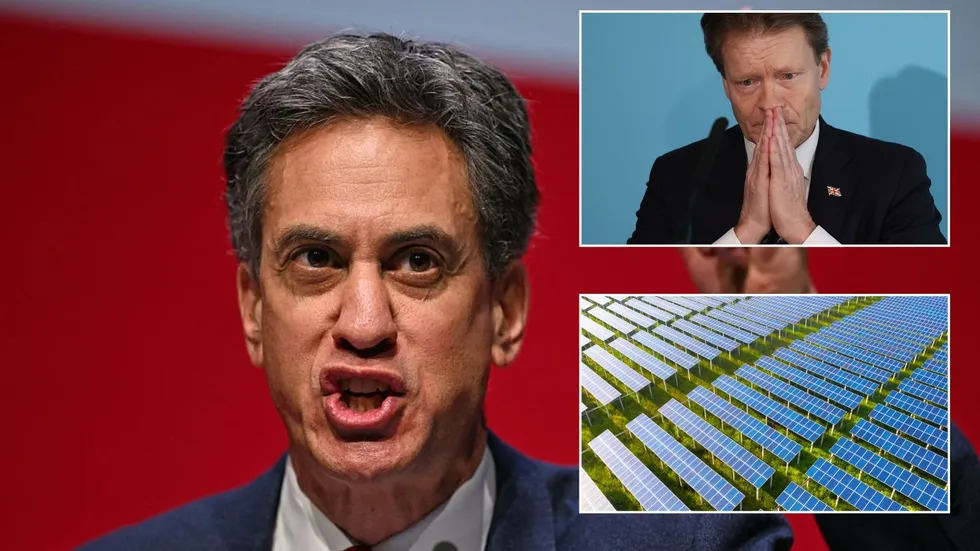
Labour’s plan to convert countryside into solar and wind sites sparks backlash
|
GETTY
He has been among the most vocal critics of the Government’s Net Zero agenda, with the land use framework likely to intensify debate in rural areas.
The timing of the announcement comes as Labour continues to face pressure over its relationship with the countryside.
British food security remains under strain from fertiliser shortages linked to the Middle Eastern conflict, alongside a succession of poor harvests in recent years.
The National Farmers’ Union (NFU) offered a more measured response, while highlighting concerns about implementation.
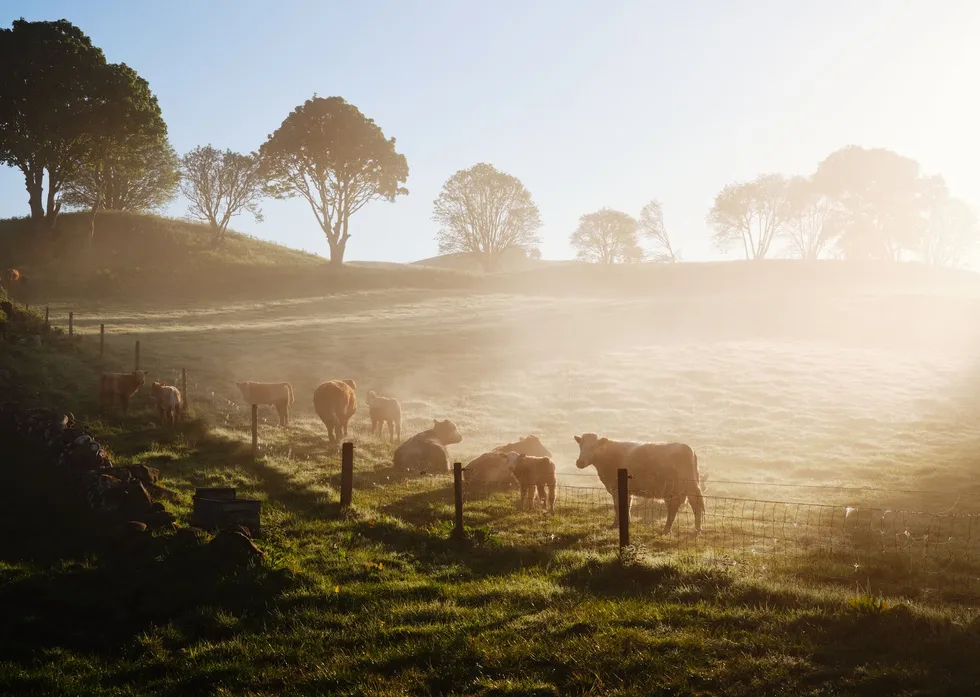
Farmers are concerned about the wellbeing of Britain’s open country
|
GETTY
Tom Bradshaw, the union’s president, said the plan is “ambitious” but must be carefully managed “to avoid unintended outcomes”.
Mr Bradshaw said farmers and growers must retain the ability to meet productivity objectives within the new framework.
Concerns remain within the agricultural sector about how the strategy will affect food production at a time when domestic supply chains are under pressure.
The Government said sufficient farmland will remain to maintain Britain’s food output, although questions have been raised about how this will align with the scale of land conversion proposed.
Officials have suggested that agrovoltaics, which involve mounting solar panels above crops, could allow simultaneous farming and energy generation.
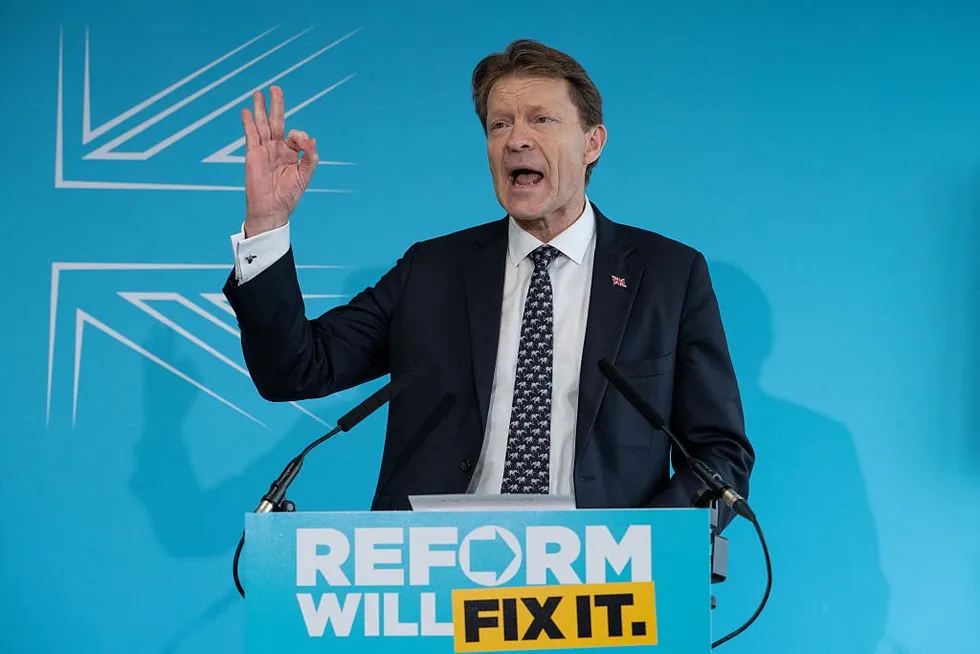
Richard Tice has been among the most vocal critics of the Net Zero agenda
|
GETTY
However, such systems require panels to be installed at least 11 feet high, making them up to 30 per cent more expensive to install and potentially obstructing agricultural machinery.
The Country Land and Business Association has also urged caution over the proposals.
Gavin Lane, the organisation’s president and a Norfolk farmer, said the framework “must not, over time, become prescriptive, bureaucratic or result in zoning that could stifle economic and environmental development”.
He added: “Farmers know their land better than anyone. They must retain the autonomy to make the right decisions for their businesses and for nature.”
Separately, new planning rules will allow homeowners, farmers, businesses and schools to erect wind turbines up to 98 feet tall without planning permission.