HMRC disaster as 5.6 million Britons overpaid £3.5BILLION due to ‘wrong’ tax codes
Millions of British workers handed over far more tax than necessary during the last financial year because of faulty PAYE codes, according to recent analysis.
The figures reveal that approximately 5.6 million taxpayers across the country were affected by incorrect tax codes in 2023-24, resulting in an estimated £3.5billion being overpaid to HMRC.
Tax specialists are now urging employees and freelancers alike to scrutinise their payslips for potential errors.
The problem stems from tax codes determining the precise amount of income tax withheld from wages each month, meaning even minor inaccuracies can lead to significant overpayments.

Some 5.6 million workers have overpaid billions in tax to HMRC due to ‘wrong’ tax codes
|
GETTY
Many affected workers remain unaware of the issue, as the discrepancy appears within payroll deductions rather than as a separate tax demand.
Tax code mistakes typically arise when HMRC possesses outdated or incomplete details about an individual’s circumstances.
Those who have switched employers within the past twelve months face a heightened risk of being assigned an incorrect code, as do workers juggling multiple income streams.
Workplace benefits present another common source of errors, with company cars and private healthcare arrangements frequently recorded inaccurately in the system.
 HMRC tells an employer or pension provider what tax code to use | GETTY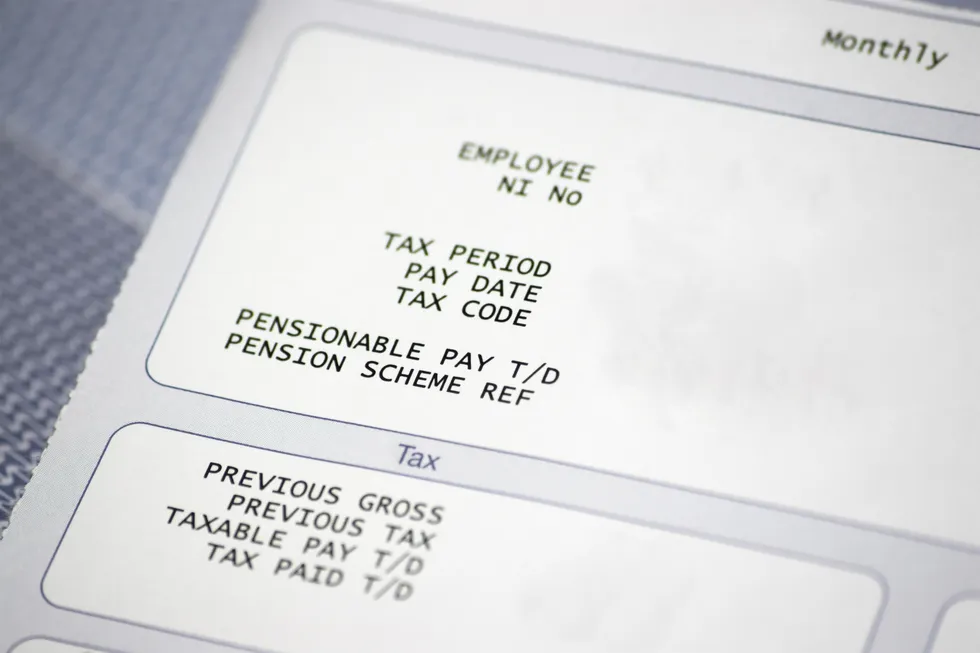
Does your tax slip show the correct information?
|
GETTYHMRC often bases its calculations on whatever income information it already holds on file, which may no longer reflect a taxpayer’s current situation.
The complexity of the UK tax system compounds these difficulties, with codes regularly adjusted to reflect additional earnings, employment perks, or outstanding tax from previous years.
Lee Murphy, the managing director of The Accountancy Partnership, warns that the automatic nature of PAYE creates a false sense of security among workers.
He said: “Many people assume that because tax is deducted automatically through PAYE, the amount must be correct, but tax codes are based on the information HMRC has about your circumstances, and if that information is outdated or incorrect, you could end up paying too much tax without realising it.
Britons are being urged to check if they are paying enough tax
|
GETTY“There are all sorts of reasons that can cause your tax code to be wrong, but it’s something you’re going to want to sort out straight away so you’re not out of pocket.”
The tax expert notes that HMRC relies heavily on data supplied by employers and taxpayers themselves, meaning inaccuracies can persist indefinitely unless individuals take action to update their records. Verifying a tax code requires only a few minutes and can prevent costly overpayments accumulating over time.
Mr Murphy added: “Your tax code appears on your payslip, P60, and in your HMRC online account. If something doesn’t look right, it’s worth checking with HMRC or your employer to make sure the information they’re using is accurate.”
Workers can confirm their code by examining their payslip or P60 document, accessing their HMRC personal tax account online or via the app, and ensuring the tax authority holds correct employment and income details.
The tax expert recommends reviewing tax codes whenever circumstances shift, such as starting new employment, receiving a salary increase, or experiencing other changes. Should an error be identified, HMRC can amend the code and modify subsequent payroll deductions accordingly.