Sadiq Khan’s ‘astronomical’ London fees blamed for Zipcar exit as costs skyrocket
Sadiq Khan has been slammed for helping drive a major car-sharing company out of London due to high charging costs impacting travel.
It comes after car club giant Zipcar shut down its UK operations on January 1, 2026, after years of rising costs in London forced the service to exit.
Campaigners warned that high parking charges set by London boroughs, and changes to the Congestion Charge, may have made it too expensive for the company to operate.
Research commissioned by the Clean Cities Campaign found councils could charge car-sharing operators huge fees just to park their vehicles on the street.
Across London, the average maximum charge for a car-club parking space was more than £900 per year.
The highest charges were identified in the Royal Borough of Kensington and Chelsea, where councils could charge up to £2,382 for one permit, while Merton charged just £80.
Some boroughs, including Brent, Croydon, Harrow and Enfield, do not charge car clubs for parking bays.
Zak Bond, campaign manager at Clean Cities, said some of the fees had been extremely high, which was linked to the ultimate departure decision by Zipcar.

Zipcar experienced huge cost hikes across London over the years
|
PA/GETTY
He said: “The positive news is that some London boroughs are now starting to cut charges for car clubs, some of which were astronomical before. We know many people will feel like they are forced to buy a private car if they can no longer access a car club.
“Cutting costs is an important step towards rebuilding the market for electric car clubs in London, and indeed the rest of the UK. We’ll only tackle climate change and pollution if we give people access to affordable and convenient shared electric cars.”
The daily Congestion Charge for driving in central London rose from £15 to £18 in January, after changes were approved, while electric vehicles are now charged for the first time.
London Mayor Sir Sadiq Khan said: “Keeping London moving by reducing congestion is vital for our city and for our economy. While the congestion charge has been a huge success since its introduction, we must ensure it stays fit for purpose.”
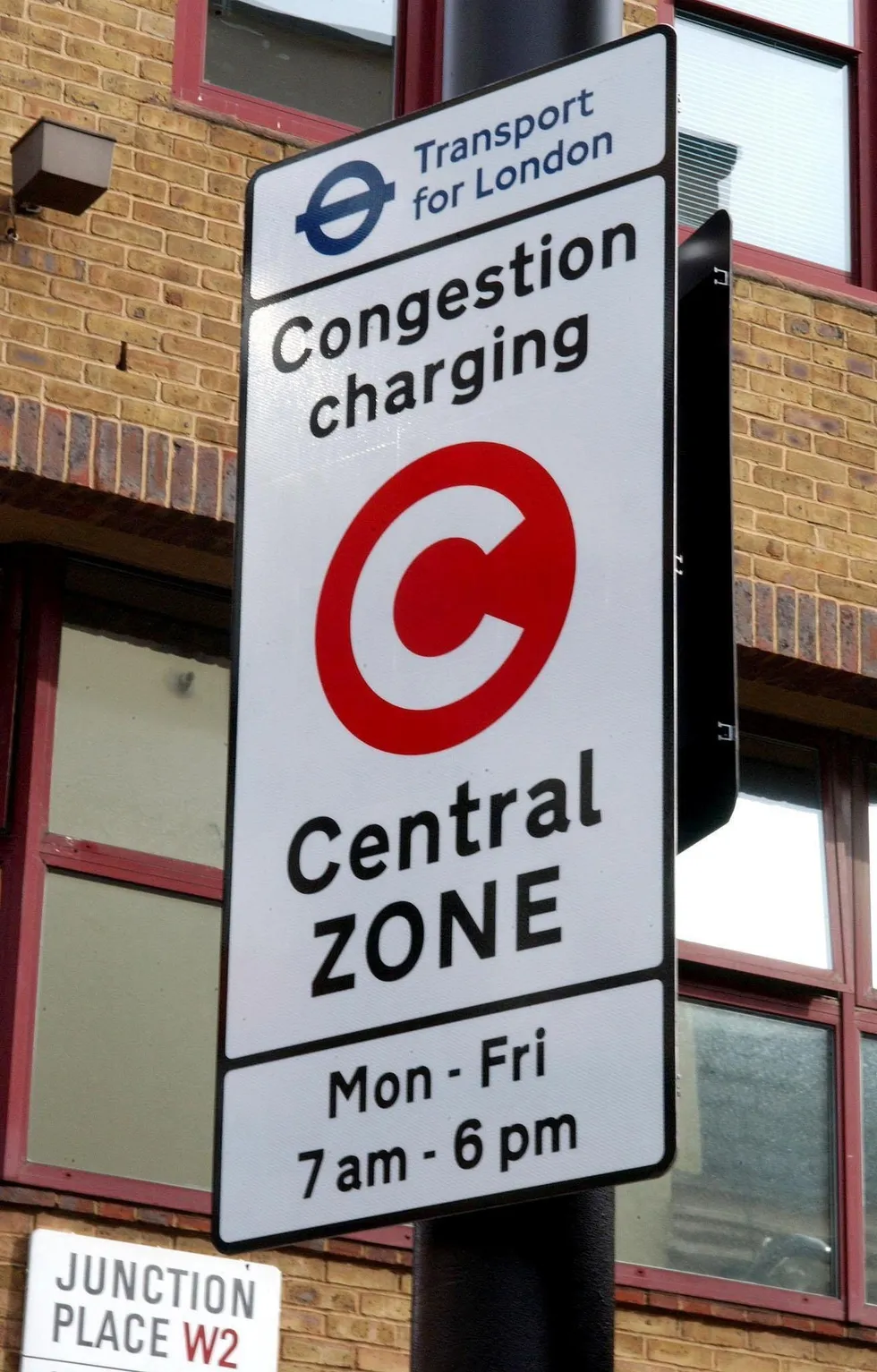
Electric vehicle owners had to pay the Congestion Charge for the first time in January
|
PABefore leaving the UK, Zipcar had around 650,000 members nationwide, including about 550,000 in London.
Richard Dilks, chief executive of CoMoUK, said operators had been warning about the problem for years.
He said: “Car clubs have faced sharp rises in costs such as council parking permits, insurance, charging costs for EVs and recent changes to the Congestion Charge.
“But there is hope – where boroughs commit to reducing costs, speeding up and simplifying processes and being flexible – we can restart the market and get back on the right path to healthier neighbourhoods for all.”
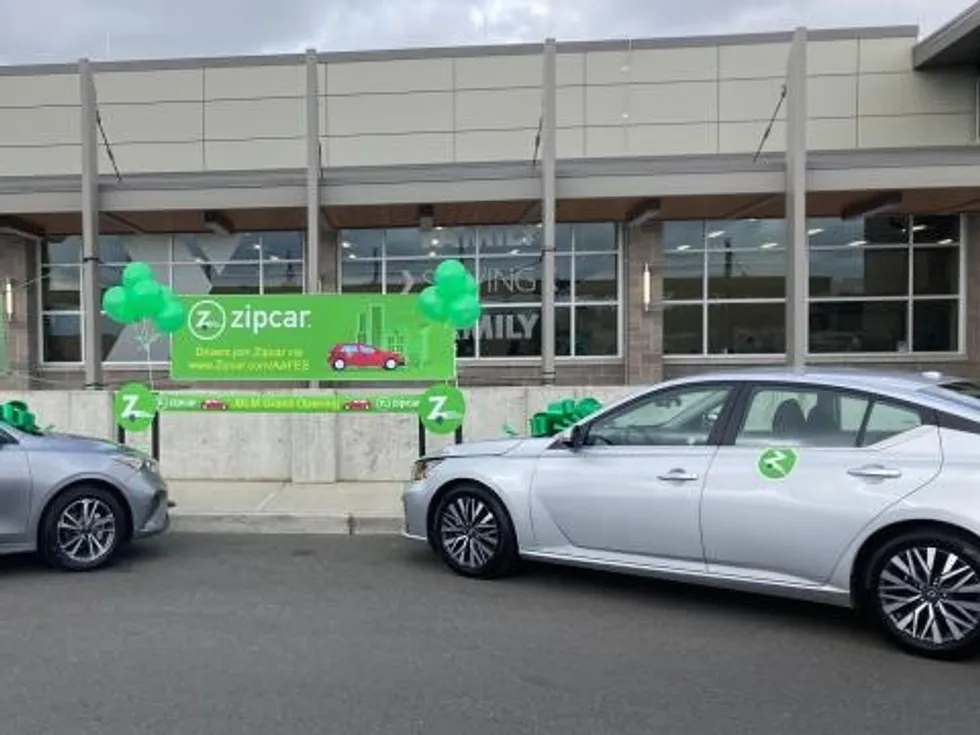 Zipcar operated more than 1,000 electric vehicles available in London | ZIPCAR
Since Zipcar’s exit, several councils have begun cutting fees in an attempt to attract new companies, such as Southwark, who promised to lower parking costs for car-sharing providers.
Alexander Ehmann, chair of Richmond Council‘s transport and air quality committee, said the borough had scrapped fees for operators.
He said: “Following Zip Car’s departure from London, Richmond Council has taken the bold decision to remove parking charges for any Car Club provider in our borough until at least 2027. We welcome new providers who can offer a great service to our residents.”