MPs launch an investigation into ‘unfair’ student loans system as average debt quadruples to over £43,000
MPs have launched a new inquiry into the student loan system as average graduate debt climbs to more than £43,000.
The Treasury Committee will examine whether the repayment system treats borrowers fairly, amid growing concern about interest rates and frozen repayment thresholds.
Dame Meg Hillier, who chairs the committee, said loan interest rates and high marginal tax rates “have clearly led to widespread dissatisfaction among graduates who may not have fully understood their repayment terms and the possibility they could change”.
She added: “This inquiry is about fairness. Fundamentally, what we’re asking is, have the goalposts been moved in a way which is unfair to graduates?”
The investigation will focus particularly on Plan 2 loans, issued to English students starting university between 2012 and 2022.
Borrowers on Plan 2 are carrying an average balance of £43,645 compared with £10,252 for those who studied between 1998 and 2011 under the earlier Plan 1 scheme, fiigures from the Student Loans Company show,
The difference is partly due to tuition fees tripling from £3,000 to £9,000 in 2012. Plan 2 loans also carry interest rates that can be up to three percentage points higher, which pushes debts up even further.
Former deputy prime minister Nick Clegg, whose coalition Government trebled tuition fees to £9,000 in 2012, acknowledged graduates “quite rightly feel very sore” about the current system. He called for restoring maintenance grants and linking the repayment threshold to inflation.
The Good Growth Foundation, a Labour-aligned think-tank, has proposed raising the repayment threshold to £33,696, matching the median wage for workers aged 22 to 29, while reducing the repayment rate from 9 per cent to 6 per cent.
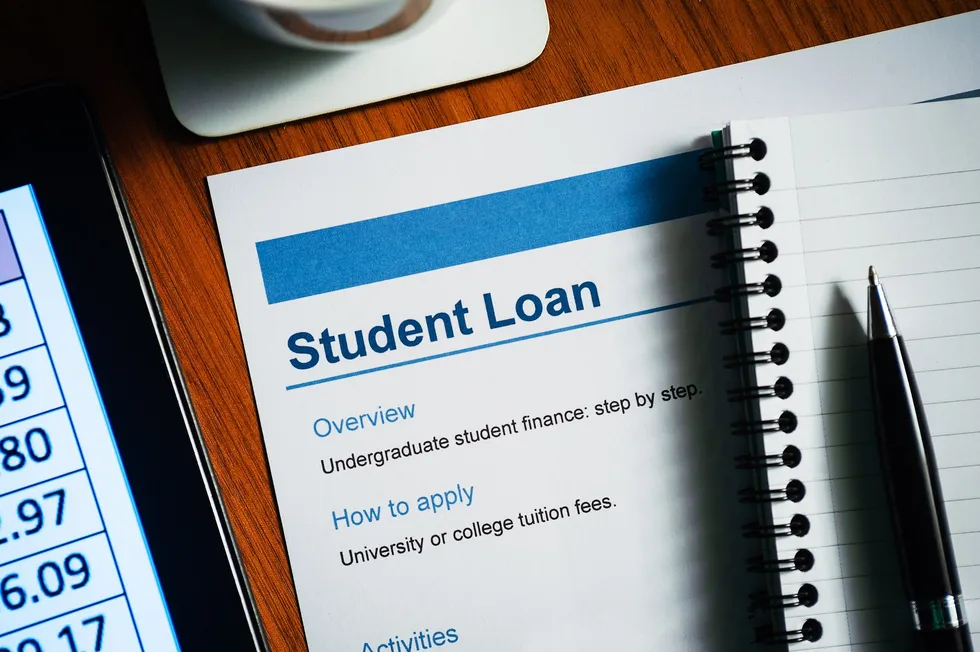 Student loans have previously been labelled as having punitive interest rates | GETTY
About 5.4 million borrowers now owe a combined £235 billion under the Plan 2 system, more than twice the total owed across all other student loan schemes.
In the past six years, fewer than 180,000 people on Plan 2 have managed to fully repay their loans. Because interest keeps being added, many graduates see their debt rise each year even while making regular repayments.
Oliver Gardner, founder of the Rethink Repayment campaign, said the interest levels mean “for all but the very highest earning graduates, their plan 2 loan balance will rise each year, even when they are making substantial monthly repayments.”
The arrangement, he added, “traps aspirational middle earners into a poorly designed graduate ‘tax’.”
LATEST DEVELOPMENTS:
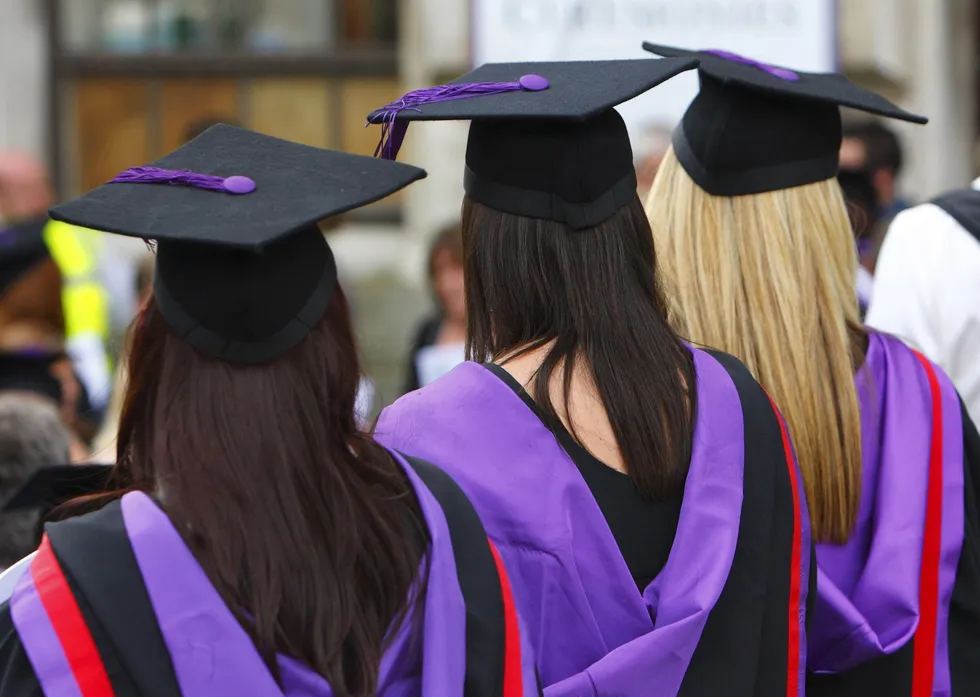
The Government says the investigations are designed to create a fairer system
|
PAChancellor Rachel Reeves told MPs that any modifications to the system would need to be “fully costed and fully funded”, noting the Government had prioritised NHS and defence spending.
The Conservatives have pledged to cap Plan 2 interest at RPI only, though critics note this would primarily benefit higher earners.
Shadow education secretary Laura Trott accused the Chancellor of making matters worse: “Freezing the repayment thresholds has left young people paying more, sooner.”
NUS president Amira Campbell welcomed the parliamentary investigation as “the clear result of sustained pressure from students and graduates”, adding that her organisation was “ready to take this opportunity to work together to fix student loans now”.
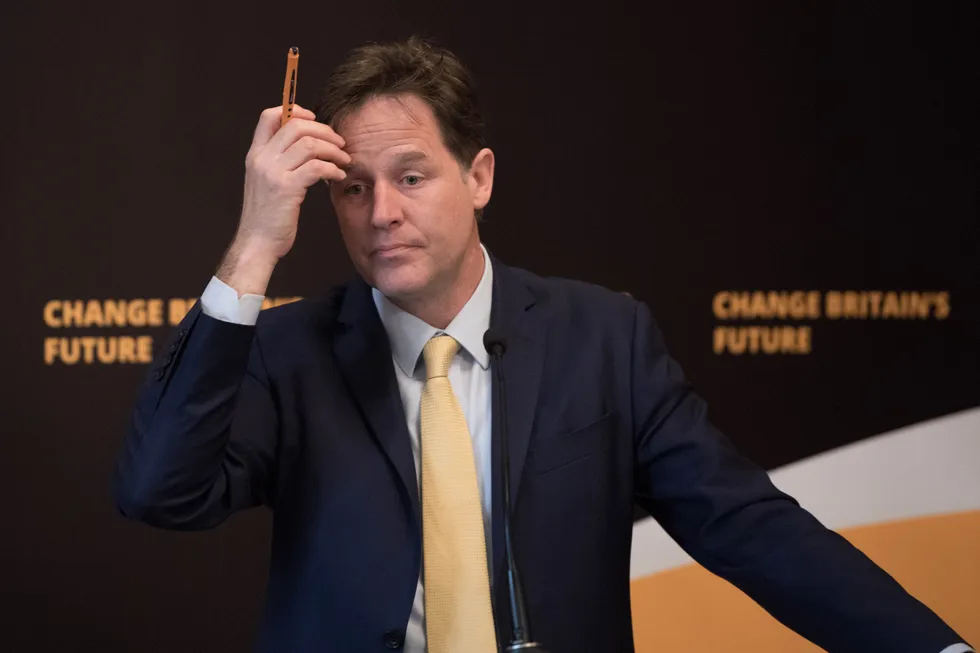
Nick Clegg called for restoring maintenance grants and linking the repayment threshold to inflation
|
PALouisa Dollimore, the think-tank’s director of strategy, said debt was “insurmountable” for many graduates, adding: “In the middle of a cost-of-living crisis, it can’t be right that millions of young adults are carrying that burden.”
The Department for Education is examining proposals from Labour MPs to raise salary thresholds and cut monthly outgoings, though ministers have not committed to specific changes.
Evidence submissions to the Treasury Committee must be received by Tuesday 14 April.