Lewis Hamilton raises suspicions over Mercedes after George Russell dominated Australian qualifying
Mercedes delivered a commanding display at the Australian Grand Prix qualifying earlier today, with George Russell claiming pole position and Kimi Antonelli securing second place to complete a front-row lockout for the Silver Arrows.
The gap to their nearest competitor proved substantial. Red Bull’s Isack Hadjar finished third, trailing Russell by 0.785 seconds.
Ferrari and McLaren found themselves even further adrift, with both teams more than eight tenths behind the dominant Mercedes pair.
Charles Leclerc managed fourth for the Scuderia, whilst his teammate Lewis Hamilton could only secure seventh on the grid.
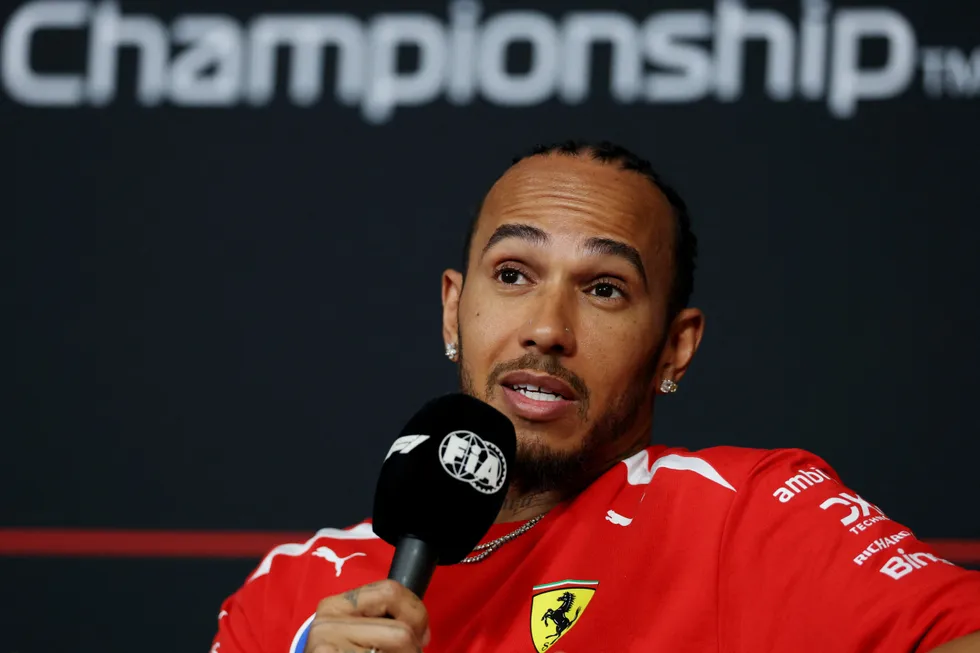
Lewis Hamilton has questioned how fast Mercedes have become after they dominated qualifying
|
REUTERS
The performance gap has intensified scrutiny around Mercedes’ power unit, which had already attracted controversy during the pre-season period regarding compression ratio regulations.
Hamilton expressed bewilderment at his former team’s sudden surge in performance, questioning where the additional pace had emerged from.
“What’s clear is they didn’t show their engine power through any of the practice,” Hamilton told Sky Sports F1.
The seven-time world champion pointed to a significant power deficit across the entire Albert Park circuit, estimating Mercedes held an advantage of “two tenths or more just through power, per sector.”
Hamilton raised the spectre of the compression ratio controversy that had dominated F1’s winter discussions. Rival manufacturers had suspected Mercedes of exploiting a loophole allowing their power unit to operate above the prescribed 16:1 compression limit under running temperatures, whilst passing FIA compliance tests conducted at ambient temperatures.
“I want to understand why the FIA haven’t done anything and what’s been done to rectify it,” Hamilton stated.
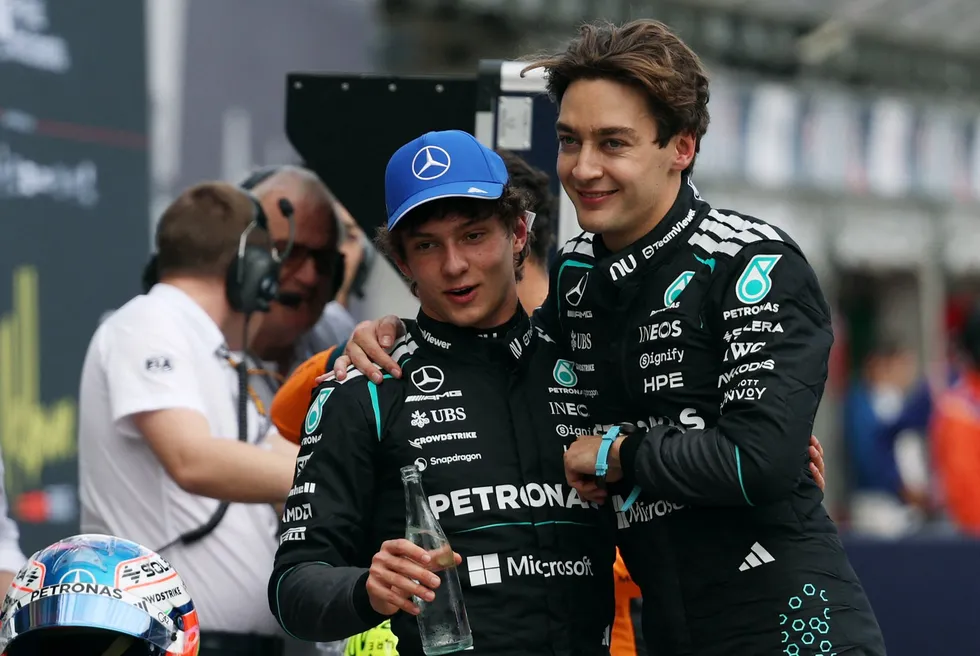
George Russell and Kimi Antonelli dominated the Australian qualifying
|
REUTERS
The Ferrari driver made clear his frustration would be directed at the sport’s governing body should the compression ratio trick prove responsible for Mercedes’ superiority.
“If it is the compression ratio [creating this performance gap] then I’ll be disappointed that the FIA have allowed that to be the case,” Hamilton said.
“It’s not to the book, and I’ll be pushing my team to do the same thing so we can get more power.”
The FIA has confirmed that compression ratio testing will be conducted at both ambient and running temperatures from 1 June onwards. However, Hamilton suggested this intervention arrives too late in the campaign.
“If they have a few months of that, then the season’s done – I mean, not done, but seven races, a few months, you lose a lot of points with a second behind in quali,” he warned.
Hamilton’s qualifying session proved frustrating after a promising start. The 41-year-old had shown competitive pace in Q1, finishing third on the medium tyre just three tenths behind Russell.
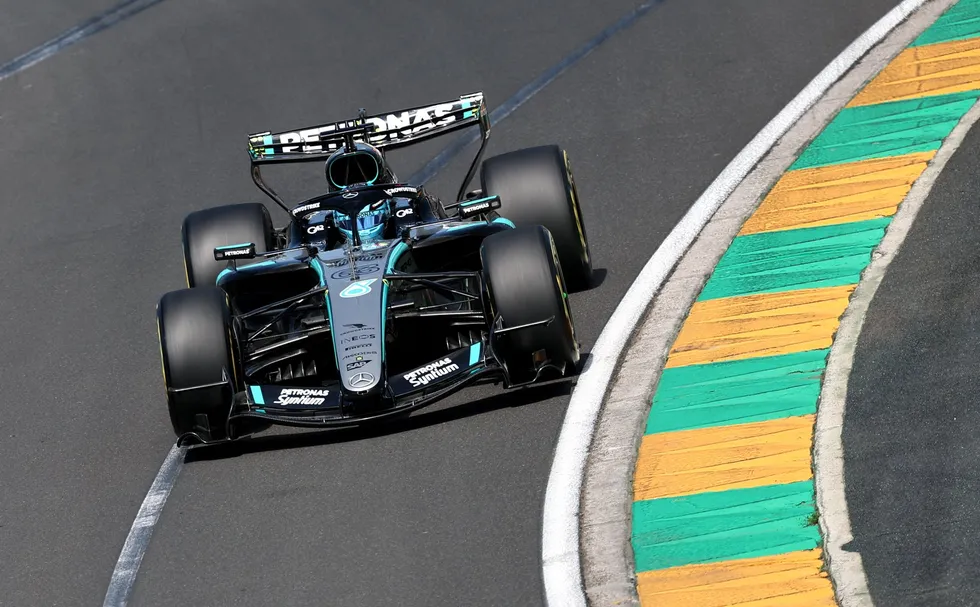
Before a car had been driven there was controversy over this year’s F1 Championship with Mercedes accused of bending the new rules
|
REUTERS
Problems emerged in Q2 when Ferrari encountered engine and deployment difficulties, disrupting Hamilton’s rhythm for the remainder of the session.
“Not the best qualifying but I felt solid all weekend,” Hamilton reflected. “If things hadn’t been an issue, we would have been third or fourth.”
The Briton maintained a positive outlook despite the setback, expressing confidence in Ferrari’s machinery compared to the previous campaign.
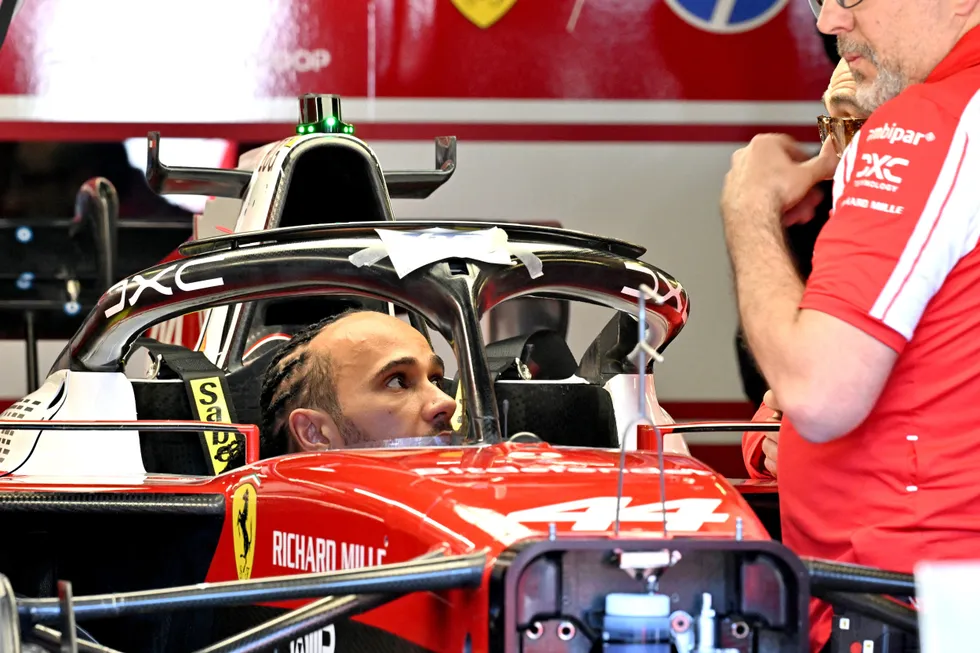 Lewis Hamilton will compete at the Australian Grand Prix this weekend | GETTY
Leclerc acknowledged the scale of the challenge facing the Scuderia, noting: “We’ve got a lot of work to do. I had that feeling yesterday, I thought it was five-tenths, it’s eight-tenths.”