UK risks £3billion blow as Donald Trump ‘likely’ to impose 15 per cent global tariffs within days
British businesses could face tariff rates of 15 per cent within days following a warning from US Treasury Secretary Scott Bessent that the White House is poised to implement higher import levies.
Speaking on Wednesday, Mr Bessent indicated that the Trump administration’s plan to raise the blanket tariff from 10 per cent to 15 per cent would come into force “likely some time this week”.
The move threatens to impose additional costs of up to £3billion on UK exporters, according to the British Chambers of Commerce.
The announcement follows President Trump’s decision last month to introduce a 10 per cent global tariff after the Supreme Court struck down his original “liberation day” levies, ruling them illegal.
Mr Trump had initially imposed varying rates on different countries, but the court determined he had not sought congressional approval for the trade package.
The president responded by describing the ruling as “ridiculous, poorly written and extraordinarily anti-American” before swiftly implementing the uniform 10 per cent rate.
Emergency legislation permits a US president to impose tariffs of up to 15 per cent for 150 days without requiring approval from Congress.
Whether Britain’s trade agreement with the United States will shield exporters from the elevated tariff rate remains uncertain.
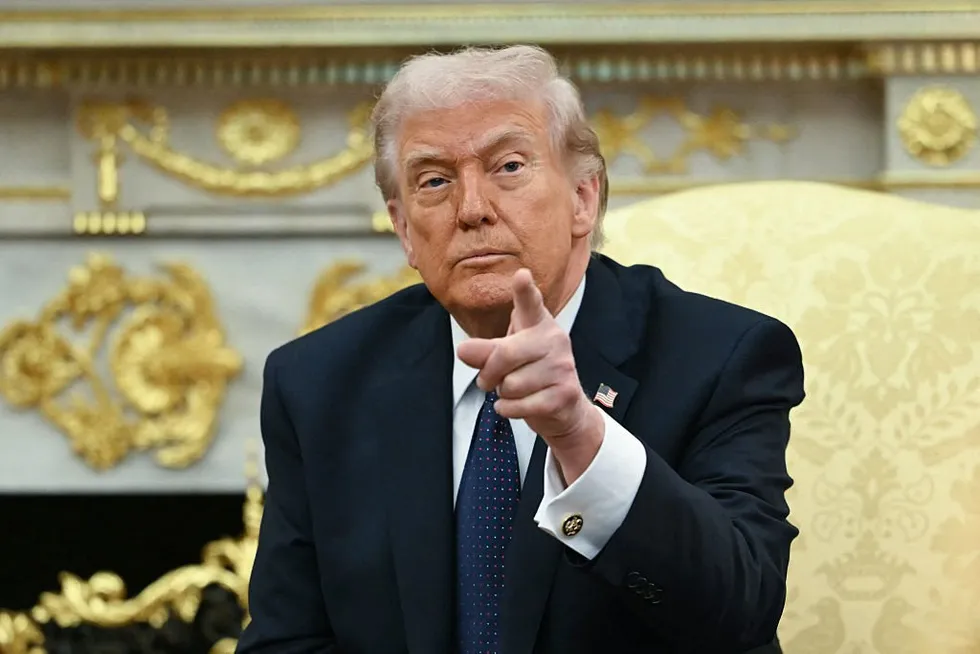
UK risks £3billion blow
|
GETTY
The UK government had previously expressed confidence that the deal struck last summer would keep British goods at the 10 per cent level.
Business Secretary Peter Kyle said last week he believed the arrangement “stands” following the initial tariff implementation.
However, the British Chambers of Commerce has cautioned that should the higher baseline apply to UK shipments, the economy could suffer a blow worth between £2billion and £3billion.
Brussels reportedly believes the EU will continue to benefit from the lower 10 per cent rate.
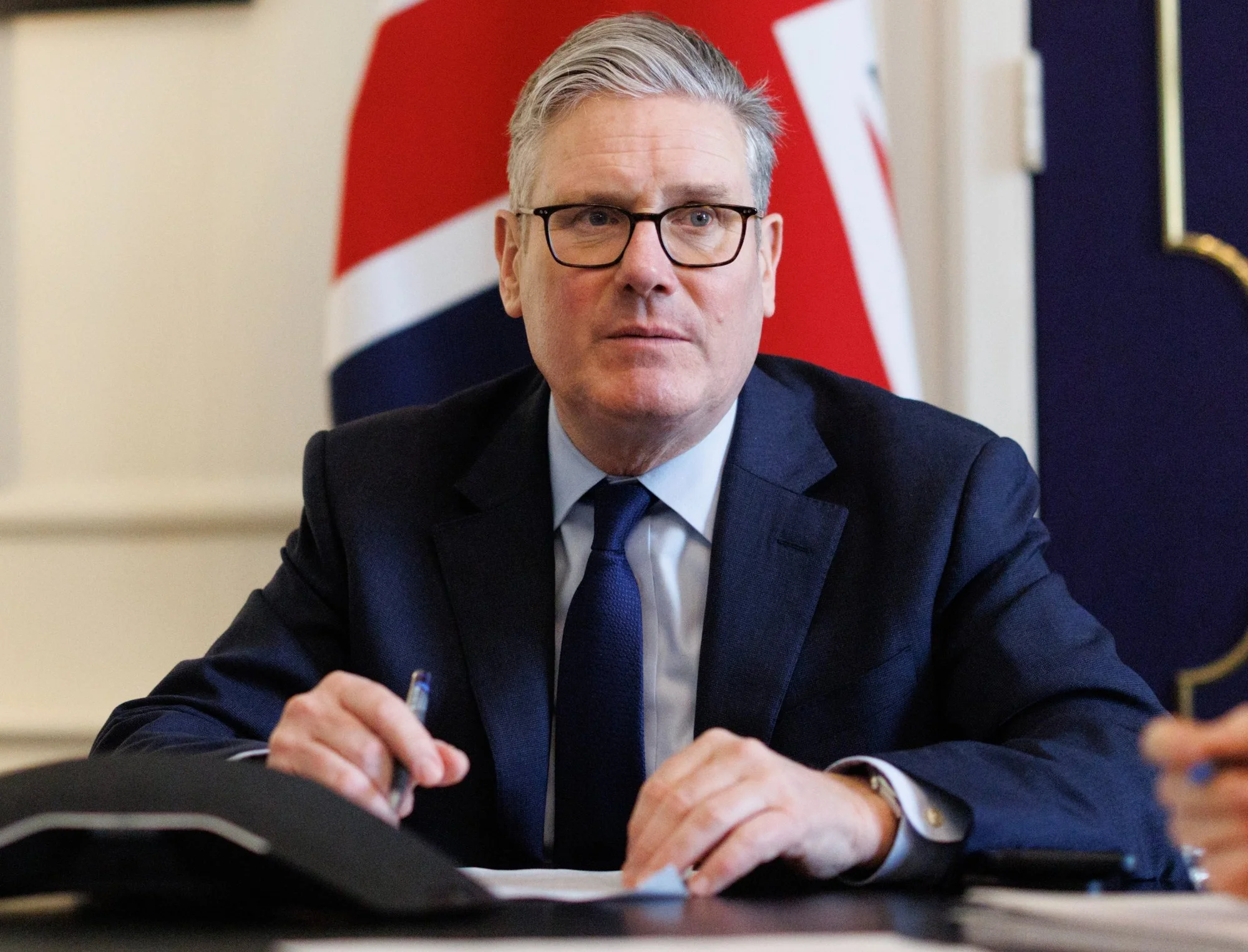
The British Chambers of Commerce has cautioned that should the higher baseline apply to UK shipments
|
X / KEIR STARMERMr Bessent outlined the administration’s strategy for rebuilding its tariff programme using alternative legal authorities that have withstood judicial scrutiny.
“During the 150 days, we will see studies from USTR on Section 301, tariffs from Commerce on Section 232,” he explained, referring to provisions covering national security and unfair trade practices.
The Treasury Secretary expressed confidence that US duty rates would return to their previous levels within five months.
“They are slower moving, but they are more robust,” Mr Bessent said of these alternative tariff mechanisms, noting they have survived more than 4,000 legal challenges.
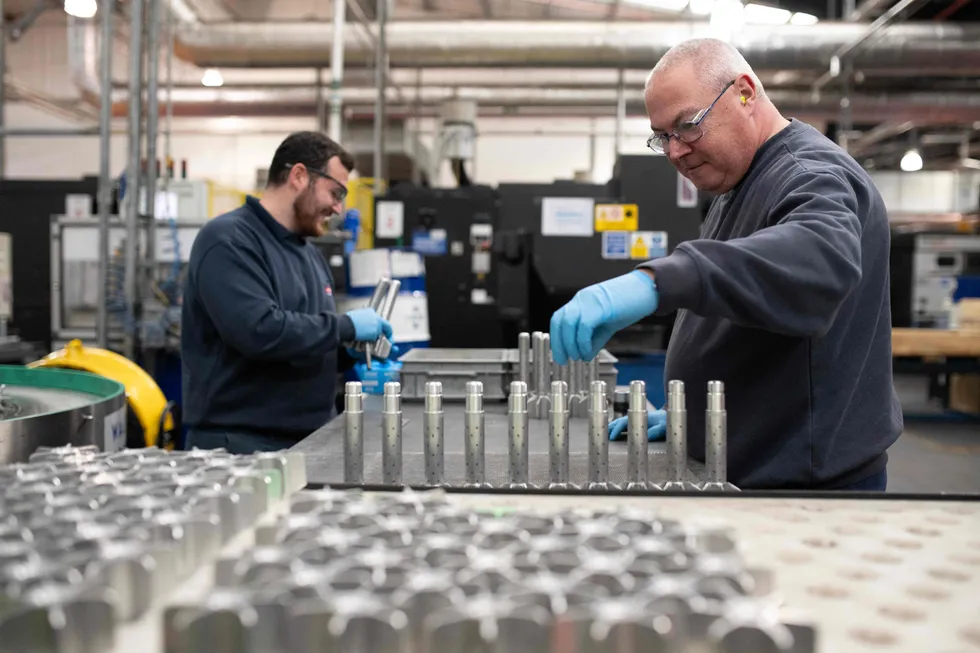
On Wednesday, it emerged that British manufacturers would retain access to EU supply chains
|
GETTYRelations between London and Washington have deteriorated in recent days, with Mr Trump branding Britain as “uncooperative” and declaring that Sir Keir Starmer was “not Winston Churchill” after the Prime Minister initially declined a request to use UK bases for strikes on Iran.
Against this backdrop, the Government has been pursuing closer ties with Brussels.
On Wednesday, it emerged that British manufacturers would retain access to EU supply chains after the bloc included the UK in its “Made in Europe” initiative, treating UK factories equally with European counterparts when competing for government contracts and subsidies.