Rachel Reeves to delay youth minimum wage equal pay plan as unemployment hits 16.1 per cent
Rachel Reeves is preparing to slow the pace of increases to the youth minimum wage, signalling Labour’s pledge to equalise pay across all adult age groups may not be delivered during this Parliament.
The Chancellor is expected to tell the Low Pay Commission the party’s manifesto commitment to abolish age-based wage bands does not have to be achieved within the current parliamentary term, according to sources familiar with her thinking.
From April 1, workers aged 18 to 20 will receive £10.85 per hour following an 8.5 per cent increase, compared with £12.71 for those aged 21 and over.
Government officials insist the commitment to equalise rates remains in place, but acknowledge greater “flexibility” over the timetable has become necessary amid shifting labour market conditions.
The move comes as youth unemployment among 16 to 24-year-olds has risen to 16.1 per cent, exceeding the Eurozone average and reaching its highest level for a decade outside the pandemic period.
Economists have linked the deterioration in youth employment to the combined impact of significant minimum wage rises and higher employers’ national insurance contributions introduced by the Government.
The hiring slowdown has been particularly marked in lower-paid sectors, with retail and hospitality among the industries reporting notable declines in youth employment.
Huw Pill, chief economist at the Bank of England, said last week the Government’s tax and minimum wage policies “have had a particular effect on young people” between 16 and 21.
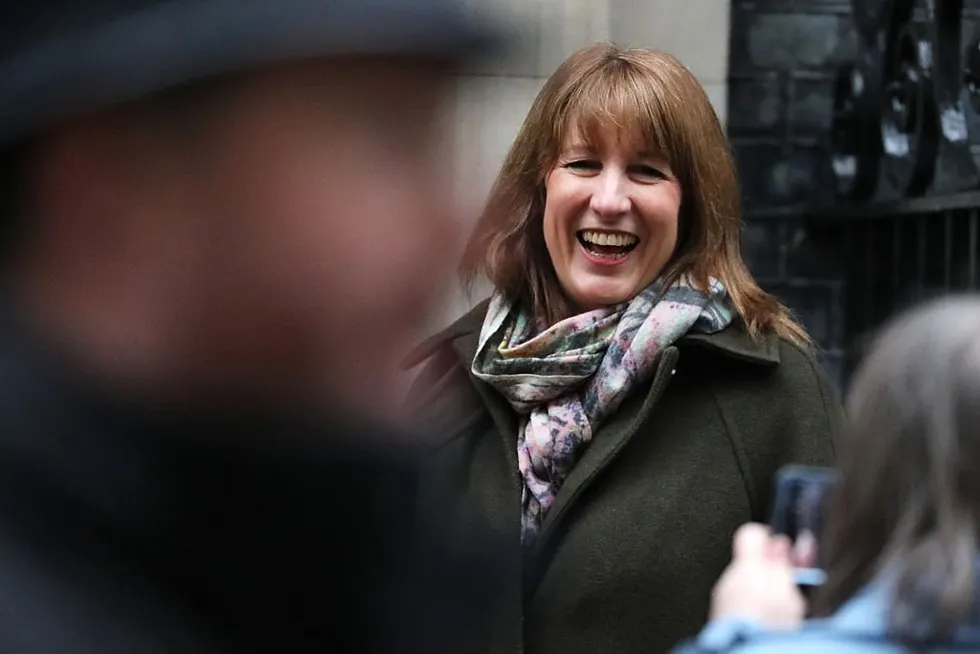
Rachel Reeves is preparing to slow the pace of increases to the youth minimum wage
|
GETTY
The Low Pay Commission acknowledged last year “the youth labour market is of concern to us”, pointing to falling employment in sectors that have traditionally relied on younger workers.
The Commission had previously set out plans for double-digit percentage increases for younger workers to meet Labour’s equalisation target, including aligning rates for 20-year-olds by 2027 and extending parity to younger adults in subsequent years.
However, its remit has evolved since 2016, when it was given more explicit policy objectives rather than operating solely under a mandate to recommend wage levels that avoid adverse employment effects.
The Tony Blair Institute for Global Change has called for a more cautious approach, arguing the Low Pay Commission should be “explicitly tasked with balancing pay objectives against employment, hiring and labour-market dynamism”.
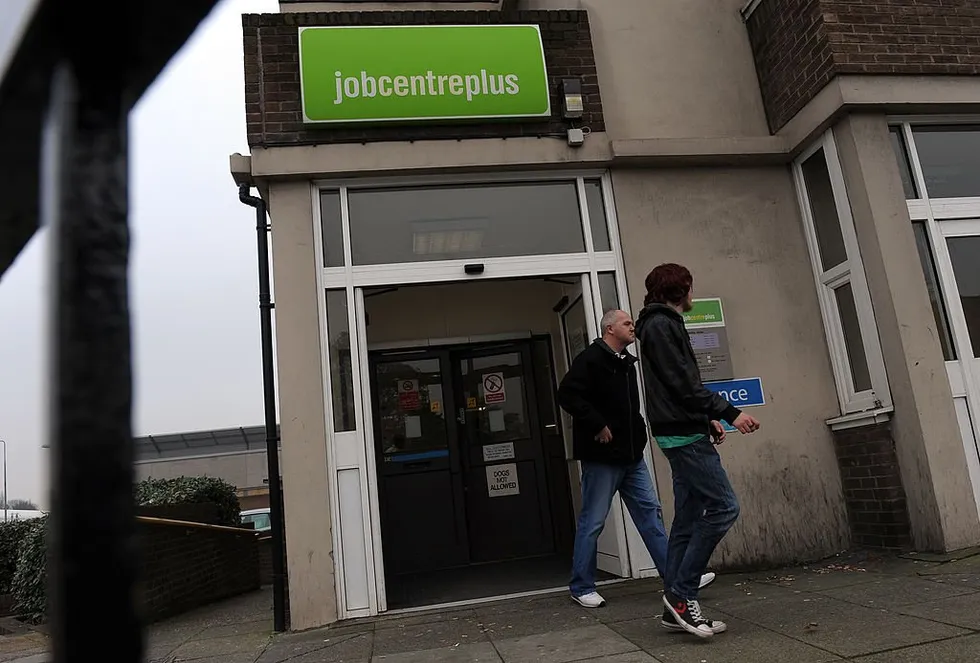
Any decision to delay equalisation risks creating tension between Labour and trade unions
|
GETTY
The think-tank added the body should be granted “clear authority to slow, pause or reverse increases” where necessary “to protect jobs in a higher-cost environment”.
Any decision to delay equalisation risks creating tension between Labour and trade unions, which have long supported the removal of age-based wage differentials.
Paul Nowak, general secretary of the Trades Union Congress, rejected claims higher minimum wages have damaged youth employment, describing such warnings at the weekend as “scaremongering” and “misleading”.

Youth unemployment among 16 to 24-year-olds has risen to 16.1 per cent
|
GETTY
Mr Nowak pointed to France, Germany and New Zealand as examples of countries that do not operate separate minimum wage rates for workers aged 18 and above.
The TUC has also argued even without age-based wage bands, younger workers would continue to be less expensive for employers because national insurance contributions apply only to those aged 21 and over.
A Government spokesman said: “We’re determined to help young people into work and deliver on our manifesto commitments to make work pay. We remain committed to closing the gap between the adult and youth national minimum wage.”