State pension tax raid looms as Rachel Reeves urged to prevent HMRC ‘headache’ for retirees
Britons face their state pension payments being taxed unless an HM Revenue and Customs (HMRC) “carve out” is confirmed by Chancellor Rachel Reeves during next week’s Spring Statement.
The Chancellor is scheduled to give a fiscal update on March 3, 2026, with analysts forecasting that major policy announcements will not be on the agenda.
However, this has not stopped economists from suggesting Ms Reeves should introduce reforms to avoid state pensioners being impacted by fiscal drag.
This occurs when tax allowances are frozen over a set period of time, while incomes rise, resulting in people being pulled into higher HMRC brackets.
The Chancellor has been urged to create a ‘carve out’ for state pensioners in her Spring Statement
|
GETTY
Labour has pledged that pensioners relying solely on the state pension will not face income tax when payments surpass the personal allowance threshold from April 2027.
This commitment addresses an unprecedented situation created by the decision to freeze the tax-free allowance at £12,570 until 2031.
With the state pension rising annually under the triple lock while tax thresholds remain static, retirees are being gradually drawn into paying income tax despite experiencing no real increase in their wealth.
The Chancellor has confirmed this protection will remain in place until Parliament ends in 2029, though officials continue developing the precise mechanism for implementation.
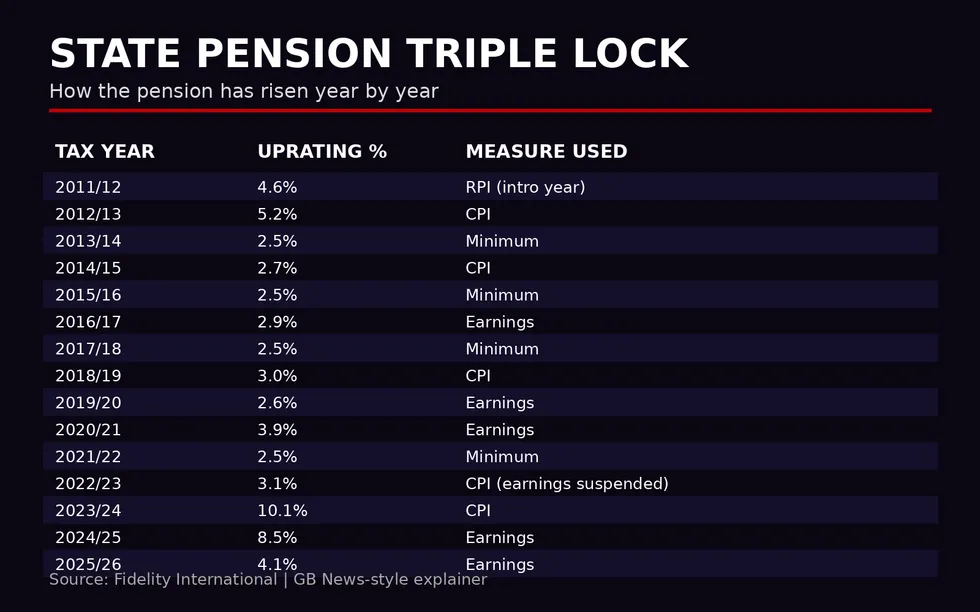 How much has the state pension risen by thanks to the triple lock? | GB NEWS / FIDELITY INTERNATIONAL
 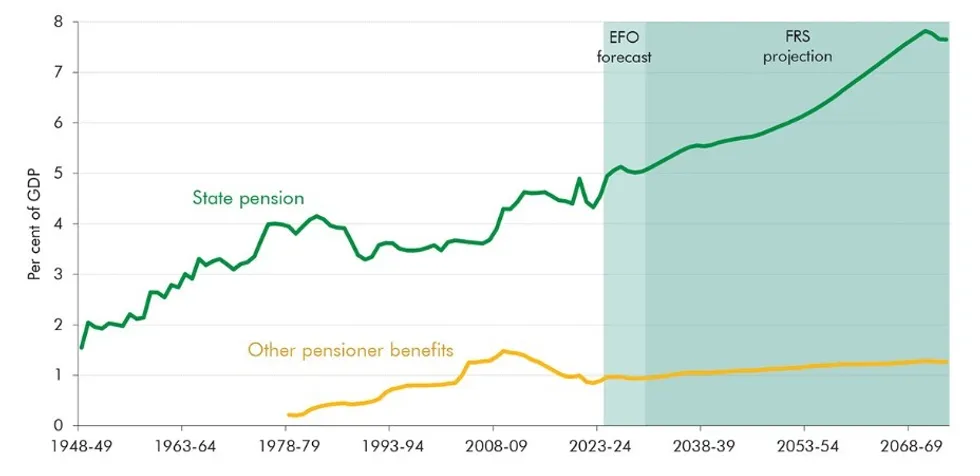 How much will the state pension triple lock cost the British taxpayer? | OBR
 Tom Selby, the director of public policy at AJ Bell, highlighted the vagueness surrounding the announcement: “It was another announcement that came with little detail at the time and government will at some point need to confirm how it plans to implement the measure.
“[Ms] Reeves may sniff an opportunity to talk-up the government’s continued commitment to the triple lock, with the state pension set to rise almost five per cent in April, so we could see some detail on the tax carve-out for those who rely solely on the state pension.”
He noted that gathering modest tax sums from millions of retirees would always present significant administrative difficulties for authorities. The Conservatives had previously applied political pressure by proposing a “triple lock plus” offering pensioners an elevated personal allowance.
Following last year’s Budget, the Chancellor indicated that certain pensioners would be spared the bureaucratic burden of completing Self Assessment tax returns.
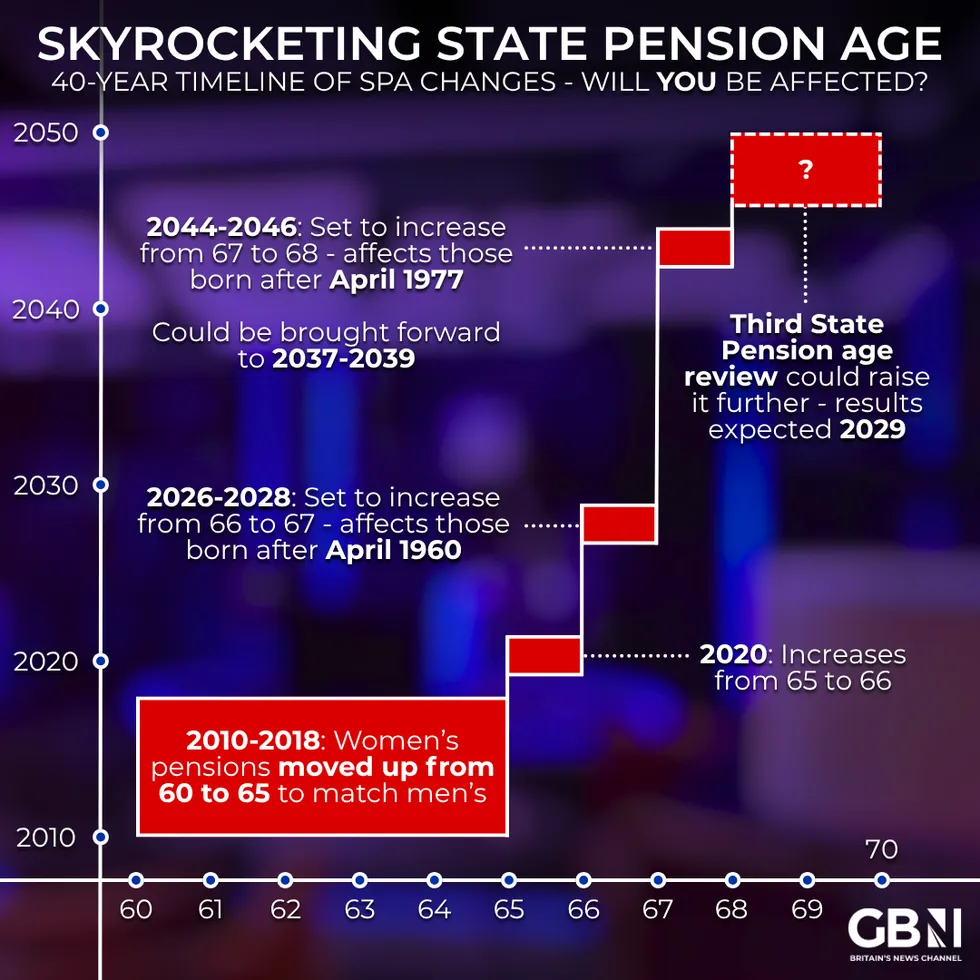 Are you affected by state pension age changes? | GETTY
Maike Currie, the vice president of Personal Finance at PensionBee, raised pointed questions about potential inequities in the scheme: “Would someone with just £1 of private pension income, face tax when their neighbour on the same income from the state pension pays nothing?”
She also questioned the treatment of those receiving payments under the old system or SERPS arrangements, many of whom already settle their obligations through Simple Assessment.
Ms Currie further highlighted a generational tension, noting that an employee earning £12,500 must pay both income tax and National Insurance contributions, whereas a pensioner receiving an equivalent sum would owe neither.
She added: “Without a clear, fair and fully costed plan – including how HMRC will handle Simple Assessments for millions of pensions, the Government risks replacing one problem – small tax bills for pensioners – with another: a messy, unfair system full of exemptions, anomalies and hard-to-justify gaps.”