Labour considers student loan interest rate and threshold changes after graduate backlash
Labour ministers are exploring changes to student loan interest rates and repayment thresholds after mounting anger from graduates over escalating debt burdens.
Officials from the HM Treasury and the Department for Education (DfE) have begun discussions aimed at easing pressure on borrowers who are currently facing interest charges that outpace inflation.
The talks follow Rachel Reeves’s November Budget announcement that Plan 2 repayment thresholds would remain frozen, a decision that has sparked frustration among those who began university courses between 2012 and 2022.
The Chancellor changed the terms of the student loan agreement unilaterally, which critics have slammed as a move similar to “loan sharking” and Martin Lewis has labelled as “immoral”.
Despite this pressure, Ms Reeves hinted on Wednesday that changes are unlikely to be announced in the spring statement.
Sir Keir Starmer told MPs at Prime Minister’s Questions that he would examine ways to make the student loans system fairer.
But the Chancellor signalled that next week’s financial statement is unlikely to be the moment for reforms, describing it as “just a forecast” rather than a fiscal event.
Ministers may consider cutting interest rates or changing repayment thresholds, the Prime Minister’s spokesman suggested.
Keir Starmer blamed the rise in student loan costs on the Conservatives after being pressed on the issue by Kemi Badenoch.
Senior figures within higher education have warned that England’s student loan framework is fundamentally flawed and in need of reform.
The head of a Russell Group university told The i Paper: “There is a gathering head of steam about how the whole student loan system is broken and needs fixing.”
Graduates who took out Plan 2 loans currently face interest charges of up to 6.2 per cent on their outstanding balance, calculated as RPI inflation plus three percentage points.
These borrowers must also repay nine per cent of earnings above the income threshold, with tuition fees having risen to £9,000 or more for this cohort.
From April, the salary threshold triggering repayments will remain fixed at £29,385 for the next three years, a move expected to increase the total amount many graduates repay over time.
A key grievance centres on borrowers seeing their overall debt rise each year despite making regular monthly repayments.

Young people feel they are inheriting a broken economy
|
GETTY
The speed and scale of the backlash has reportedly taken ministers by surprise, with some newly elected Labour MPs who hold Plan 2 loans said to have voiced concerns.
Tensions have emerged between the two departments over responsibility for addressing the issue.
One well-connected source said: “The Treasury is trying to foist this on to the DfE as a DfE problem. It’s a Treasury problem of the Treasury’s own making.”
Behind the scenes, Treasury officials are examining potential adjustments to both interest rates and repayment thresholds.
A source familiar with the discussions said ministers were “beavering away trying to work out if there is a different combination of the interest rate and the threshold level that makes increasingly influential young graduates stop shouting at them”.

Graduates are furious at the scale of debt they face
|
GETTY
A former senior civil servant said increasing the threshold would deliver immediate financial relief to borrowers, while cutting interest rates would reduce the long-term debt burden but provide no short-term gain.
The ex-official also questioned whether Reeves’s broader fiscal strategy of implementing multiple smaller tax rises could withstand pressure to reverse specific measures.
Nick Hillman, director of the Higher Education Policy Institute, said ministers would ultimately need to clarify their position.
He said: “(Ministers) either need to come out and defend the system and explain why it’s fair, if that’s what they think, or they need to change it. At the moment, they’re not doing either.”
Mr Hillman warned that reversing policy could be seen as another Government U-turn and said addressing all concerns simultaneously would be “unbelievably expensive”.
He added interest charges are “probably the most toxic bit of the system”.
John Blake, formerly director of fair access at the Office for Students and now a professor at the University of Salford, said intergenerational disparities were a central issue.
He said: “There are people educated a single year apart who have got vastly different debt levels.”
The debate over student loans is unfolding against wider financial pressures facing young workers across the country.
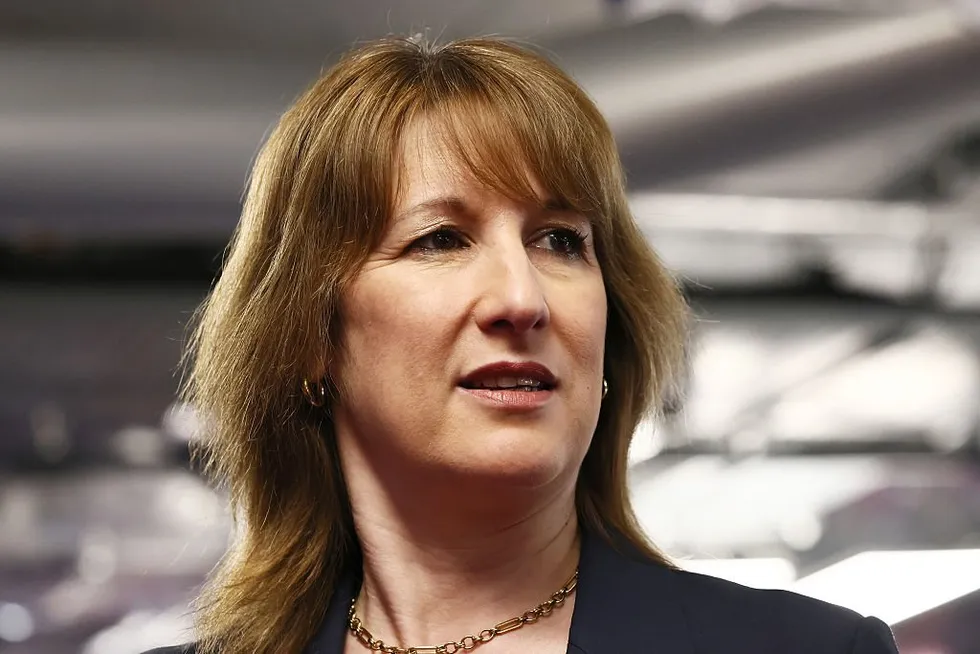
Rachel Reeves unilaterally changed the terms of Plan 2 student loans
|
GETTY
Youth unemployment among 18 to 24-year-olds has risen to around 14 per cent, while uncertainty over minimum wage policy has added to concerns about income stability among early-career earners.
Owen Dixon, founder of Best Student Halls, described the situation as an “early-career earnings squeeze”.
He said graduates earning just above the repayment threshold face increasing deductions at the same time they are attempting to secure rental accommodation, relocate for work or move out of shared housing.
Housing typically represents the largest outgoing for recent graduates, and when earnings feel uncertain, committing to tenancy agreements can become more challenging.
Mr Dixon said this could have wider implications for labour mobility and rental markets in university cities as ministers continue to consider potential changes to the student loan system.