‘Playing fast and loose with licence fee cash again’
The BBC is facing a £175million pension obligation next year, a sum that threatens to absorb close to a third of its £600million savings target as the corporation seeks to rein in spending.
Director General Tim Davie last week announced plans to reduce the broadcaster’s £6billion annual budget by a further 10 per cent over the next three years, building on an existing commitment to cut £150million by 2028.
However, the corporation’s defined benefit pension arrangements are projected to require up to £50million in employer contributions during the 2026–27 financial year.
A further £125million could also be needed to complete a long‑running bailout of the scheme.
The financial pressure comes as the annual licence fee rises by £5.50 to £180, while 300,000 households gave up their licences over the past year.
The Adam Smith Institute has criticised the broadcaster’s pension commitments, arguing that resources should be directed towards programming rather than legacy costs.
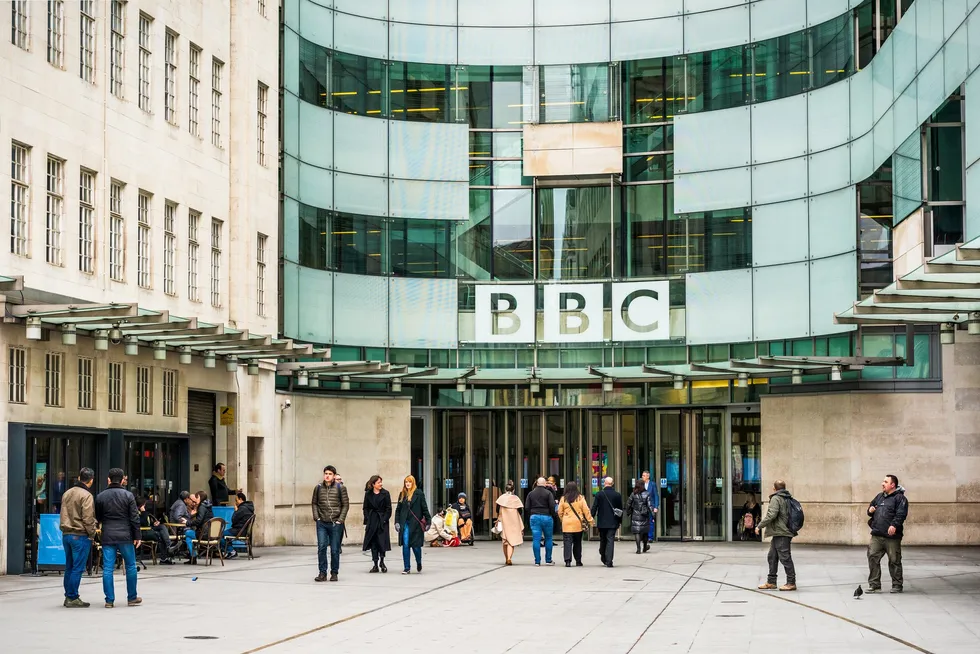
Broadcaster faces £175million pension bill
|
GETTY
Maxwell Marlow, the think tank’s director of public affairs, said: “The BBC is still playing fast and loose with licence fee payer money.
“Instead of funding high‑quality media output, which is currently lacking across the corporation, they are diverting huge funds into unrealistic, unsustainable and unmatched defined benefit pension schemes.”
He questioned why such schemes remain in place at the BBC when most private‑sector employers moved away from them years ago, urging the corporation to transition fully to defined‑contribution arrangements.
The BBC pension scheme is among the largest in Britain and consists of four separate defined benefit plans, all of which closed to new entrants more than a decade ago.
Some members can retire at 60 with uncapped final‑salary pensions, while others receive pensions based on average earnings from age 65.
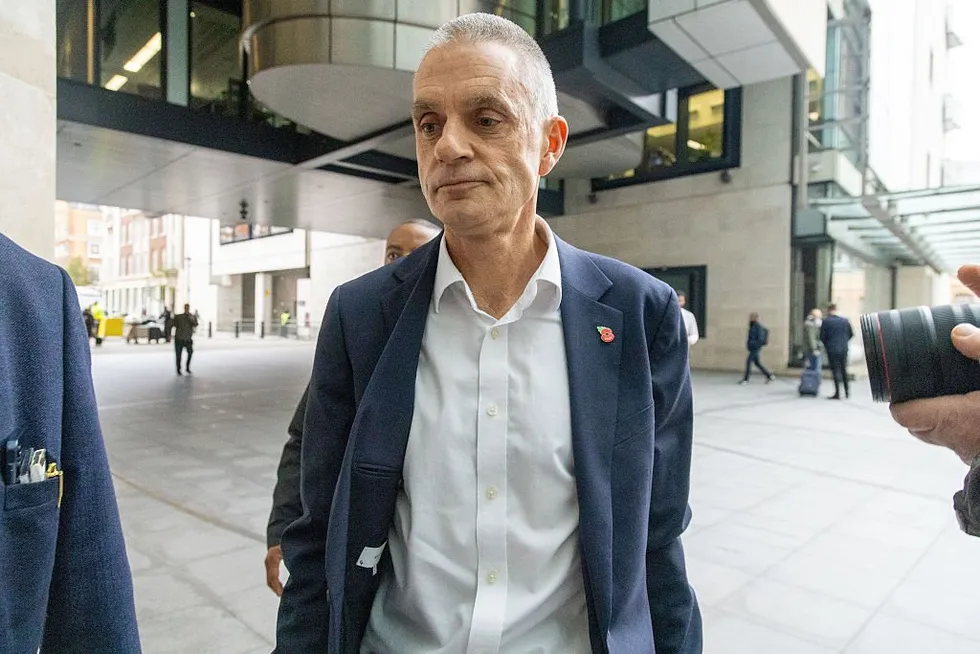
Tim Davie announced plans to reduce the £6billion budget by 10 per cent over the next three years
|
GETTY
Payments are due to rise by up to 4.2 per cent this year.
Employer contribution rates have previously reached as high as 42 per cent during periods of heightened funding pressure.
They are scheduled to stand at 15.9 per cent from April 2026 — still more than five times the statutory minimum employer contribution of three per cent typically seen in private‑sector defined‑contribution schemes.
Since 2010, when the scheme was judged unable to meet its long‑term liabilities, the deficit‑recovery programme has cost £1.14billion.
The BBC has defended its pension arrangements, emphasising that the defined benefit scheme has been closed to new joiners since 2010 and that active membership continues to decline each year.

The BBC and its staff together contribute around £110million to pension provision
|
GETTY
A spokesman said: “The defined benefit scheme closed to new joiners in 2010, so the number of active members continues to fall each year. At the same time, the funding position has continued to strengthen.”
He added: “At the BBC, we remain committed to offering a pension arrangement that is financially sustainable, fairer and more consistent for all our employees.”
New employees now enter a defined‑contribution scheme, with employer contributions of up to 10 per cent.
The broadcaster and its staff together contribute around £110million to pension provision each year as it balances legacy obligations with wider efforts to reduce costs.