New species ready to take center stage at Chicago’s Children’s Museum in surprising discovery
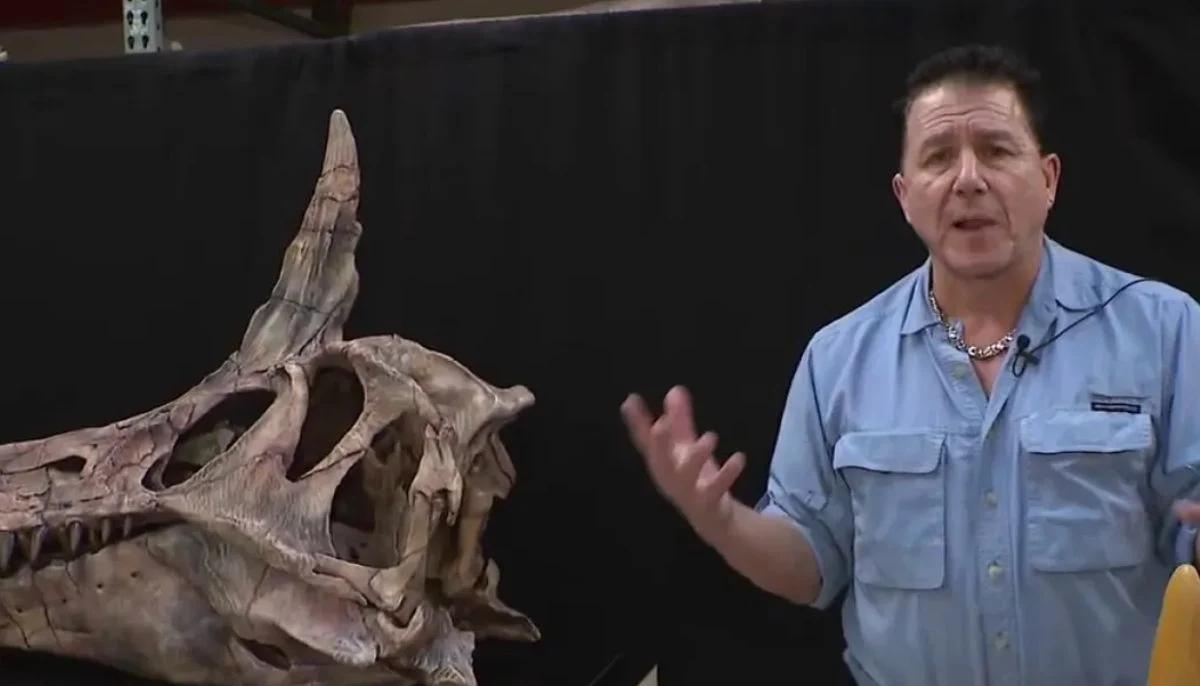
A surprising revelation has been unearthed by a team led by University of Chicago paleontologist Paul Sereno: a new species named “Spinosaurus mirabilis”.
The fossil was uncovered by a team which says that the remains were found hundreds of miles inland, far away from where similar remains are commonly discovered. The intriguing discovery is featured on the cover of science, and Dr.Sereno will speak about the work at the exhibit’s opening.
According to researchers, the remains were found from the ancient African shoreline where most fossils of this large, fish-eating dinosaur have previously been located. This is a rare and usual find among theropod dinosaurs, leading scientists to name the species Spinosaurus mirabilis. The exhibit is officially expected to begin on March 1, offering a chance to learn more about this incredible discovery.
What does Spinosaurus mirabilis look like?
The dinosaur’s distinctive features included interlocking rows of teeth designed for catching slippery fish. It is described as a “hell heron” that could wade into two meters of water but likely spent most of its time stalking shallower areas for larger fish. The discovery site was located hundreds of miles from the nearest coastline, challenging previous theories that Spinosaurus species were mainly aquatic animals adapted for ocean environments.