Rachel Reeves pushing employment costs up could cut worker staff hours, retail bosses warn
Retail bosses across Britain are preparing to slash staff hours and overtime as employment costs continue to surge, according to new research from the British Retail Consortium (BRC).
The survey of chief financial officers and finance directors found that nearly two-thirds, around 61 per cent, intend to reduce working hours for their employees due to Chancellor Rachel Reeves pushing employment costs up.
Industry leaders have also signalled they may be forced to eliminate positions entirely, with many considering cuts to both head office and shop-floor roles.
The findings highlight mounting pressure on the sector as businesses grapple with significantly higher labour expenses that have accumulated over the past year.
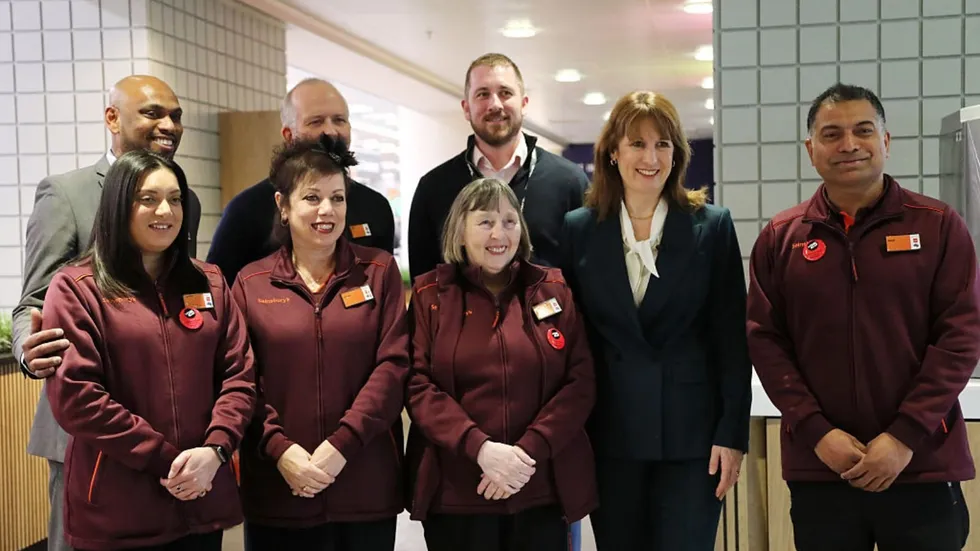
Workers to see staff hours cut due to Rachel Reeves pushing employment costs up, retail bosses warn
|
GETTY
The sector saw employment costs climb by £5billion during the previous year, driven by rises in employer National Insurance Contributions and the National Living Wage that took effect last April.
According to BRC estimates, these changes pushed up the expense of employing a full-time worker at entry level by 10 per cent.
Further financial strain looms on the horizon, with another National Living Wage increase of 4.1 per cent due to come into force this April.
This additional burden arrives at a particularly challenging moment for retailers already struggling to absorb the substantial cost increases imposed over recent months.
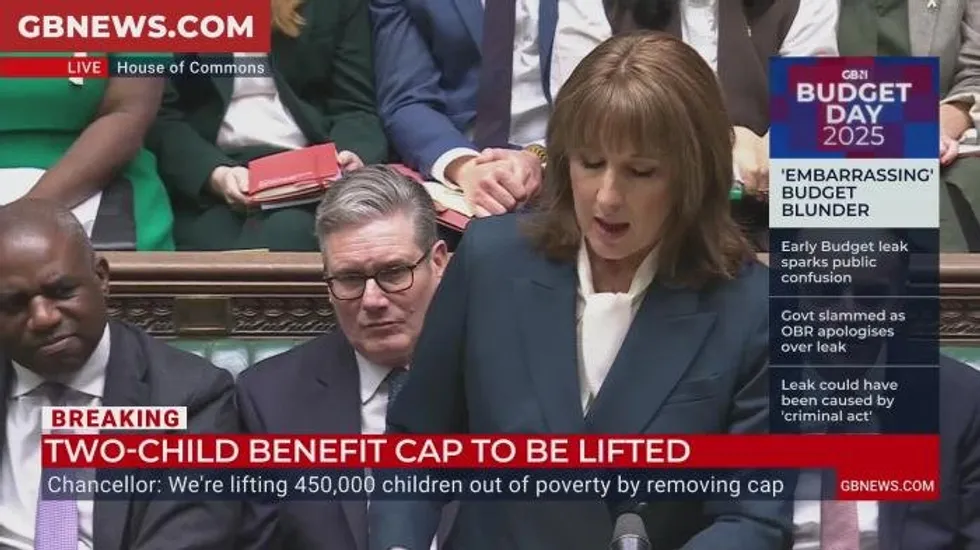 Rachel Reeves announces she will increase the national minimum wage and the national living wage | GBN
 Unemployment among men hits highest level in over a decade: ‘This is very worrying’
More than half of the finance leaders surveyed, 55 per cent, indicated they are planning to reduce headcount at their head offices, while 42 per cent said they would cut staff numbers in stores.
These potential job losses come against a backdrop of already declining retail employment, based on the latest figures from the Office for National Statistics (ONS).
Figures found that UK retail positions dropped by 74,000 last year to reach 2.76 million, which is the lowest level ever recorded.
The mood across the industry remains bleak, with 69 per cent of finance bosses describing themselves as pessimistic or very pessimistic about the future.
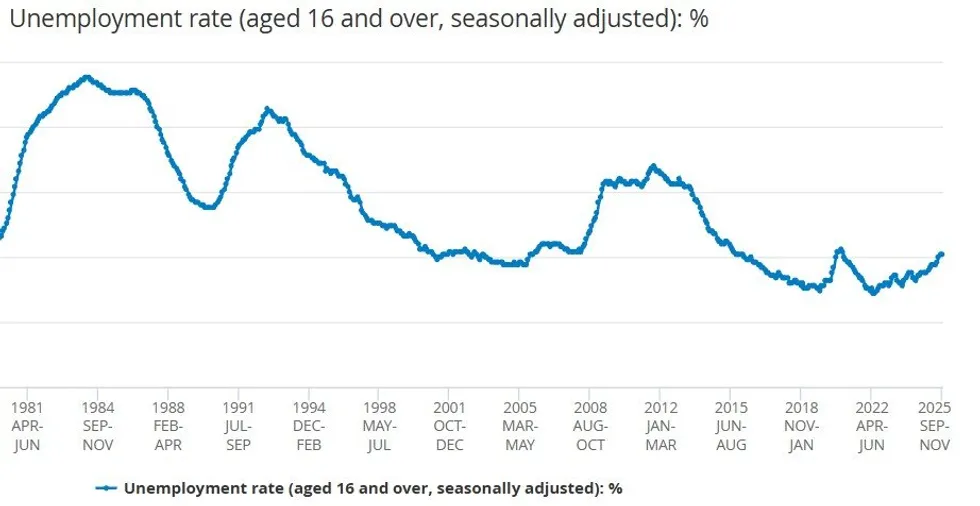 How has the unemployment rate changed? | ONS
 Recent official data showed unemployment has risen to a five-year high of five per cent, with youth unemployment reaching 16.1 per cent.
Helen Dickinson, chief executive at the BRC, said: “We all want more high-quality, well-paid jobs. But retail has already lost 250,000 roles in the past five years, and youth unemployment is climbing fast.”
She warned that the Employment Rights Act represents “the biggest shake-up of employment rules in a generation” and cautioned that if the Government fails to consider business needs on guaranteed hours and union rights, it will “add complexity and reduce flexibility, ultimately stripping away entry-level and part-time opportunities at precisely the moment the country needs them most.”
A Government spokesman responded that employment rights reforms would “boost productivity and retention” while providing job security to over 18 million workers, adding that ministers would work with the BRC ahead of publishing a High Streets Strategy later this year.