Britons fume when people put their phone calls on loud speaker in public but vast majority won’t tell them off
One-third of Britons fume when other people put their phone calls on loudspeaker in public but the vast majority won’t tell them off, according to new research.
Samsung Electronics quizzed the nation to find out what really grinds Britons’ gears, revealing that everyday irritations can quickly bubble over.
The survey found that four in 10 Brits admit it can take just one small thing to push them over the edge.
Specifically, commuters who listen to music or videos out loud in public ranked highly among the biggest annoyances (33 per cent).
Loudspeaker phone calls also featured prominently, with many saying the behaviour feels inconsiderate in shared spaces.
These findings echo wider concerns highlighted by the BBC, which reported in August 2025 that Transport for London (TfL) is actively targeting “disruptive behaviour” from passengers who play music or take calls on loudspeaker.
TfL said most bus and Tube users consider the behaviour a nuisance, with some finding the extra noise stressful or overwhelming.
Research conducted by TfL found 70 per cent of passengers surveyed said films, music and calls played out loud were a nuisance, which prompted a poster campaign urging travellers to use headphones or hands-free kits.
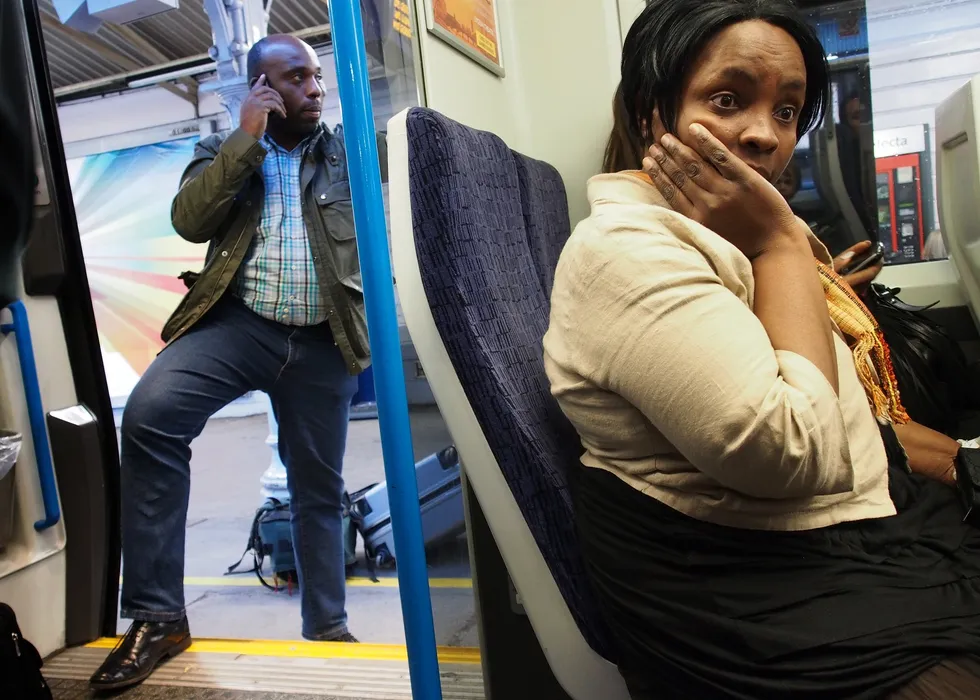
One-third of Britons get annoyed when others use loudspeaker on their devices
|
GETTY
The posters first appeared on the Elizabeth line, followed by a wider rollout across the network.
BBC reporting also highlighted how the issue affects staff, with bus drivers and rail workers describing loud phone use as distracting and disruptive.
In one case, a driver asked a passenger to turn down a video, only to be insulted before the person stormed off the bus.
Passengers told the BBC they often feel too uncomfortable to intervene themselves, instead choosing to move seats, get off early or simply endure the noise.
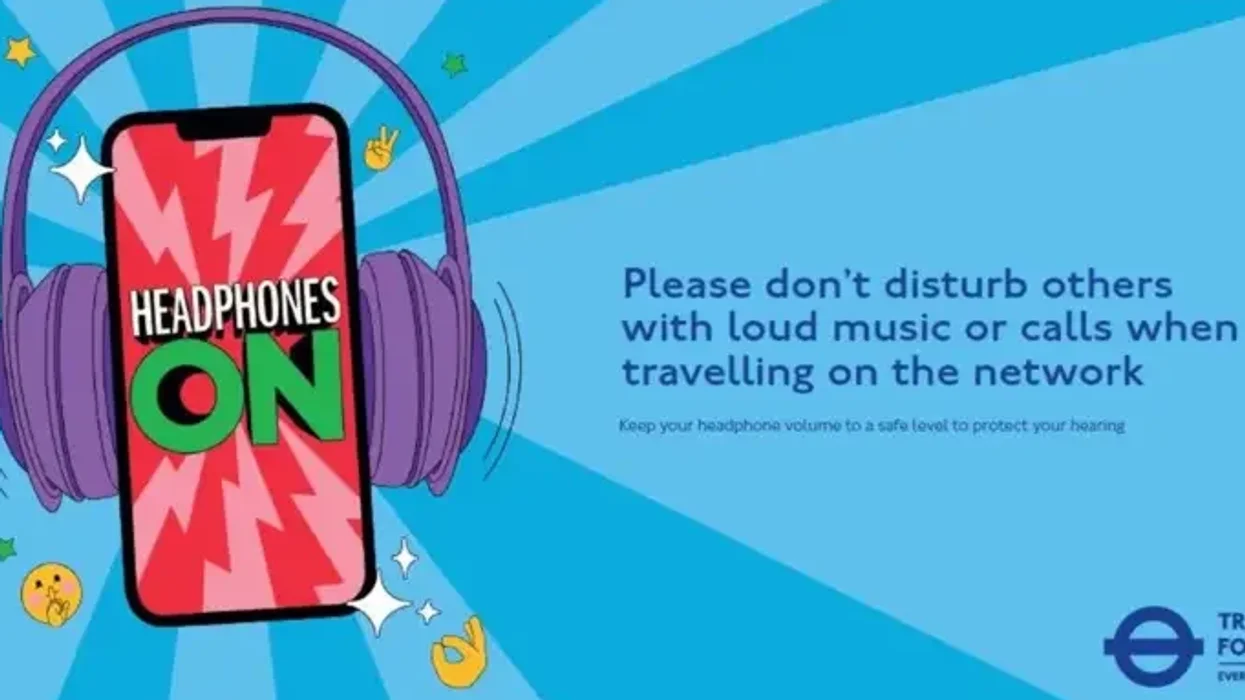
TfL rolled out a campaign to encourage people to use headphones in August last year
|
TRANSPORT FOR LONDON
While enforcement powers do exist, including the ability to remove or fine passengers, they are rarely used.
This sentiment is backed by the Samsung Electronics research, with 70 per cent saying they’re aware they’re nearing boiling point, they just cannot always address the issue with the source of the annoyance.
The research also suggests frustration is often kept quiet, with over half (59 per cent) believing people are nervous to admit when they’ve been pushed to breaking point, particularly when the trigger feels small or trivial.
However, once Britons hit boiling point, it lingers for some.
Almost two-fifths (38 per cent) admit it takes at least 10 minutes to cool down, while fewer than one in ten say it can ruin most of their day.
For a smaller but significant group, frustration doesn’t pass quickly at all, lingering for hours or longer.
Half the population say tiredness has a major impact on how easily they get irritated, making small issues feel far bigger than they should.
Despite the long list of shared gripes, frustration isn’t always expressed openly.
Many Brits admit they are more likely to stew internally than confront someone, particularly when the annoyance comes from strangers.
More than half of Brits (51 per cent) agree it bothers them less when friends do irritating things than when strangers do, while only a small minority (10 per cent) say they would actually challenge someone they don’t know.
When ranking themselves against peers, 32 per cent admit they feel they have a lower annoyance threshold than others.
Together, the findings suggest a nation united in quiet irritation, deeply annoyed by noisy behaviour, yet reluctant to speak up, as loudspeaker culture becomes an increasingly common feature of public life.