Labour warned North Sea energy windfall tax ‘damaging investment, exporting jobs and increasing emissions’
Britain now has one of the least competitive tax regimes for oil and gas a cross‑industry coalition has warned.
Pressure is mounting on ministers to scrap the North Sea windfall tax amid fears the costs are accelerating job losses and responsible for falling investment.
Labour increased the energy profits levy to 38 per cent, pushing the combined headline tax rate on North Sea profits to 78 per cent, a level campaigners argue is driving investment away from British waters.
The alliance, spanning senior executives, major unions and environmental figures, has urged Westminster and Holyrood to bring forward a new fiscal framework from 2030 to this April.
Industry figures and campaign groups say this high fiscal burden is accelerating redundancies across supply chains, weakening national energy security, and increasing carbon emissions through growing reliance on imported energy.
The scale of the downturn became clear last year when no new wells were drilled in British North Sea waters for the first time since 1964, marking a historic collapse in exploration activity.
This decline has prompted what business groups describe as an unprecedented response from across the sector, with more than 7,000 companies and business leaders joining a campaign calling for urgent fiscal reform.
Signatories have warned ministers that failure to accelerate tax reform could lead to tens of thousands of job losses they describe as entirely avoidable.
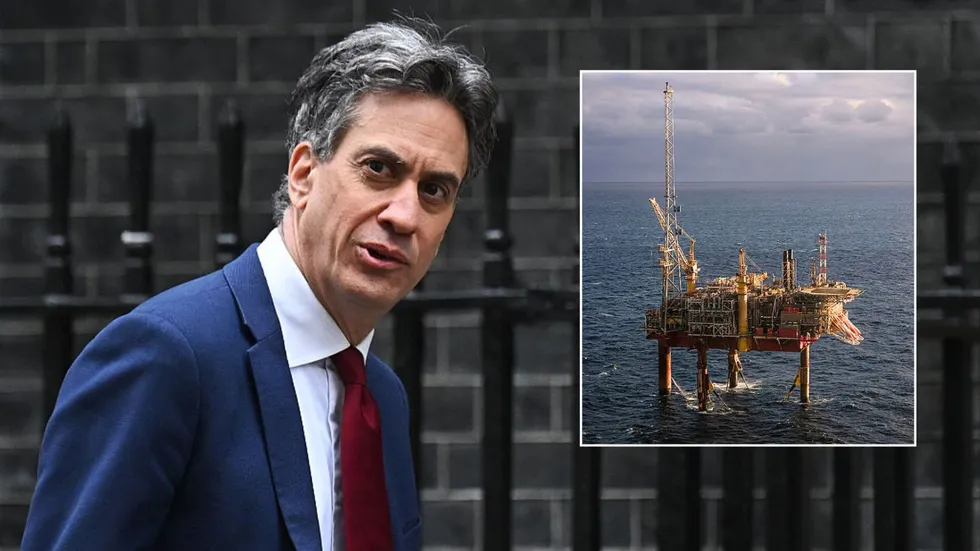
Campaigners argue the windfall tax is driving investment away from British waters
|
GETTY
The Aberdeen & Grampian Chamber of Commerce coordinated the letter to politicians, with industry sources saying the breadth of support reflects growing concern that current policy risks long-term industrial decline.
Proposals for a replacement system would see headline tax rates reduced from 78 per cent to around 40 per cent.
Russell Borthwick, chief executive of Aberdeen & Grampian Chamber of Commerce, said: “The North Sea is not being phased down through a managed transition, it is being forced into decline by policy decisions that are driving investment away.”
He said a managed transition must protect skilled employment, maintain domestic energy production, and support supply chains while renewable energy capacity continues to expand.
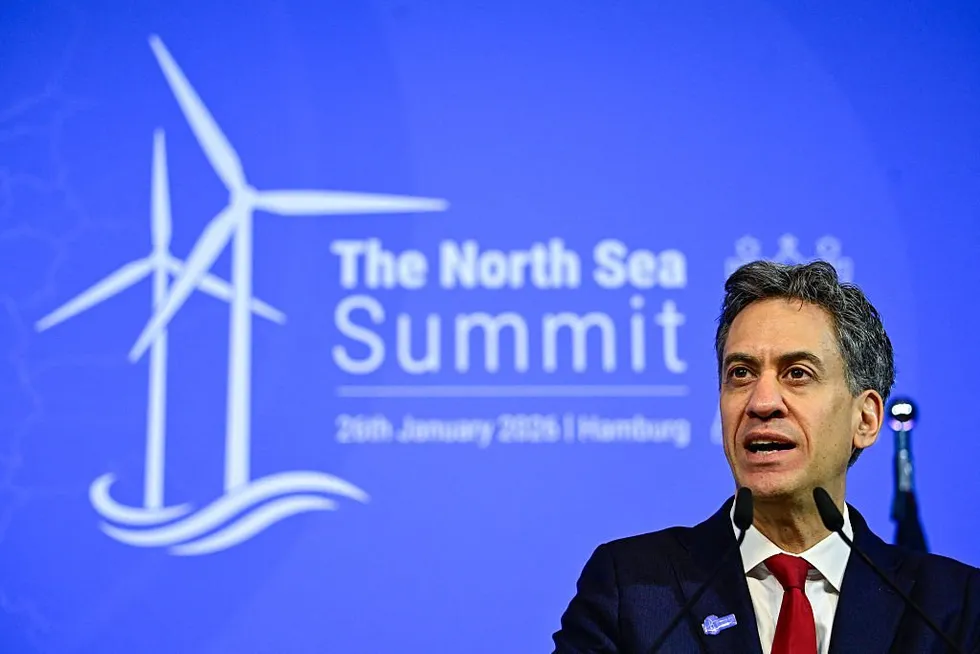
Ed Miliband is under pressure to reverse the windfall tax after speaking at the North Sea summit
|
GETTY
“If we switch off the North Sea faster than we switch on alternatives, we don’t reduce demand we simply import more energy, export jobs, and increase emissions.”
Anas Sarwar, Scottish Labour Leader, recently called for Sir Keir Starmer to resign as Prime Minister and said: “There are existing fields which can yield hundreds of billions of value for our economy, supporting growth and delivering revenues to support our public services.”
Trade union leaders have also criticised current policy, warning of major employment risks across energy communities.
Gary Smith, GMB general secretary, said: “Just switching off investment in the North Sea is absolute madness. It’s bad for national security, it’s bad for jobs and the truth is it’s catastrophic for the environment because we are importing oil and gas, which is far more carbon intensive than producing it ourselves.”
Sharon Graham, Unite general secretary, said: “The reality is that the UK and Scottish governments are failing to protect thousands of jobs. Government policy is also accelerating these huge losses without any credible jobs plan in place.”
Environmental voices have also raised concerns about the pace of policy change.
Dale Vince, Ecotricity founder and former Just Stop Oil donor, said: “We should scrap the windfall tax and protect the industry and its workers we need to avoid the destruction of the industry or we will see a repeat of what happened to our coal miners.”
Energy industry executives have also argued that domestic production can offer environmental advantages over imports.
Greg Jackson, chief executive of Octopus Energy, said: “When we’re shipping LNG, liquefied natural gas, around the world, it is a lot dirtier than using locally produced gas. So if we’re going to produce gas then I’ve got no problem in using local stuff.”
Juergen Maier, chairman of Great British Energy, said: “Oil and gas is our foundation. This isn’t about oil and gas or renewables; it’s about oil and gas and renewables.”

Octopus Energy’s chief said he’s happy to use locally-produced gas
|
GETTY
Pressure on ministers increased further last week when the Tony Blair Institute published a report calling for Ed Miliband’s green energy strategy to be replaced with a stronger focus on lowering energy costs.
The report warned Labour risks damaging Britain’s global competitiveness if energy policy focuses too heavily on maximising wind and solar generation without addressing costs and industrial impact.
Industry groups say the coming months will be critical in determining whether investment remains in the North Sea or shifts permanently to overseas markets with lower tax regimes.
Business leaders and union representatives have urged the Government to act quickly to provide certainty for investors, protect jobs, and maintain domestic energy production during the transition to lower carbon energy sources.