Millions of homebuyers could cover stamp duty costs through ‘Godsend’ government bonus as bills hit £10,000
First-time property purchasers facing stamp duty bills reaching £10,000 could recoup a significant portion of these costs through a Government savings scheme that one buyer has described as a “Godsend.”
Fresh data obtained through a Freedom of Information request has exposed the substantial tax burden shouldered by those attempting to get onto the housing ladder, even when qualifying for relief.
The figures, released by smart money application Plum following an FOI submission to HMRC, reveal that roughly one in four first-time buyer transactions incurred stamp duty charges during the 2024/25 financial year, with some purchasers hit by the maximum £10,000 levy.
Those claiming first-time buyer relief who still faced taxable transactions paid an average of £4,073 in stamp duty during the last financial year.
The HMRC data shows that more than 24,900 purchases attracted charges of £2,000 or above, while over 13,500 transactions resulted in bills exceeding £5,000.
At the upper end, 1,285 relief claimants were landed with the ceiling rate of £10,000.
Rajan Lakhani, personal finance expert at Plum, commented: “Stamp duty has long been one of the most hated taxes there is, but the pain faced by first-time buyers is particularly acute given the financial challenges they already face in raising a deposit.”
Financial experts are now pointing first-time buyers towards Lifetime ISAs as a method of recovering money from the government to offset these charges.
The LISA scheme, designed to assist people in purchasing their first home or building retirement savings, provides a 25 per cent bonus on contributions courtesy of HMRC.
Savers can deposit up to £4,000 annually into these accounts, generating a potential £1,000 yearly bonus until they reach 50.
Mr Lakhani said: “However, with the right planning, you can indirectly get the government to cover some, if not all, of those costs for you.
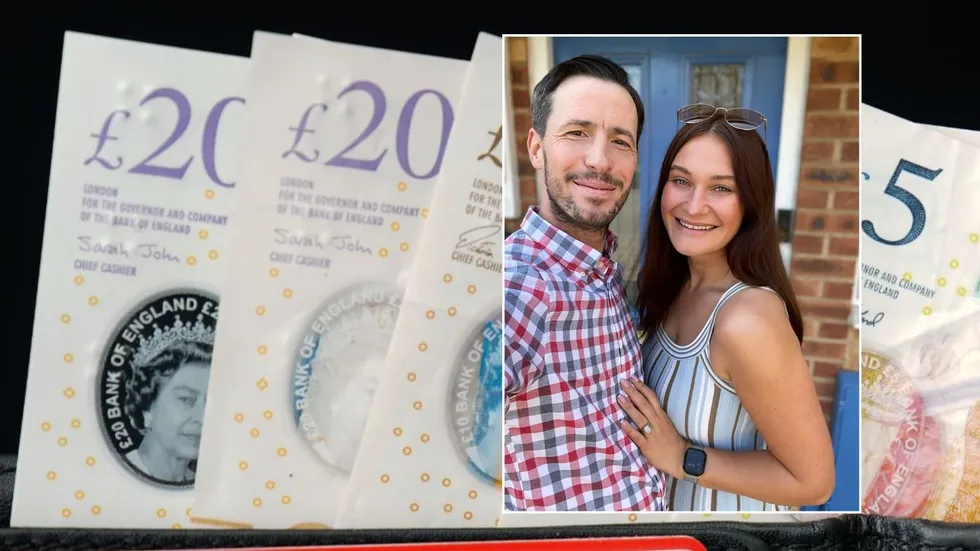
Essex bank worker Olga Demi, 37, has experienced firsthand how the LISA bonus can ease the stamp duty burden
|
GETTY
“The 25 per cent bonus made available to Lifetime ISA savers could cover most first-time buyers’ stamp duty bills within a few short years of opening an account.”
Essex bank worker Olga Demi, 37, has experienced firsthand how the LISA bonus can ease the stamp duty burden.
She and her partner Scott, who is in his 40s, are searching for a property priced around £380,000, which would attract £4,000 in stamp duty for first-time purchasers.
After four years of saving with Plum, Olga has accumulated £15,600 in her Lifetime ISA, including £3,120 in government bonuses.
She said: “That’s why the government bonus from LISA saving can be such a Godsend. The £3,120 of free money from our LISA covers a huge chunk of our entire stamp duty bill.”

At the upper end, 1,285 relief claimants were landed with the ceiling rate of £10,000
|
GETTYThe FOI data reveals that 36,999 first-time buyer transactions qualifying for relief were still subject to stamp duty charges during 2024/25.
Within this total, 5,712 purchasers paid between £1 and £999, while 6,332 faced bills ranging from £1,000 to £1,999.
The figures climb steadily through the bands, with 4,447 paying between £2,000 and £2,999, and 4,051 charged between £3,000 and £3,999.
Mr Lakhani said: “These figures make you wonder how many are being shut out of the housing market completely because they simply can’t afford the stamp duty.”
 Lifetime ISAs may be used by first-time buyers, provided they and their purchase are eligible | PA
He added that rising property values would see increasing numbers of buyers lose their entitlement to relief entirely.
The stamp duty burden on first-time purchasers is set to intensify following threshold adjustments that came into force on 1 April 2025.
Previously, buyers could avoid the tax on properties up to £425,000, with reduced rates of 5% applying above this level and standard charges kicking in beyond £625,000.
Under the revised rules, the nil-rate threshold dropped to £300,000, with relief withdrawn completely for homes valued above £500,000.
These alterations have pulled thousands of additional buyers into the tax net, with London and the South East bearing the brunt due to higher average property prices in these regions.