Bank of England now allows ‘genderfluid’ men to wear eyeshadow and heels
The Bank of England has introduced new dress code guidance permitting genderfluid employees to wear stilettos and cosmetics at work.
Internal guidance circulated to staff states that “anyone is welcome to wear a suit with high heels” regardless of their gender identity.
The document forms part of a broader 17-page policy on trans equality and workplace transitioning, reports The Telegraph.
Staff who identify as genderfluid are explicitly permitted to switch between traditionally masculine and feminine attire, with the guidance noting that such individuals “may wear a suit to work some days and a dress to work other days”.
The policy represents a stark contrast to the City’s longstanding unwritten rules, where brown footwear has historically been considered a serious professional misstep.
The guidance provides specific provisions for various gender identities within the workplace.
Transgender men are permitted to wear large earrings, while cisgender men may apply eyeshadow as part of their daily appearance.
According to the policy, trans women are allowed to maintain facial hair if they choose.
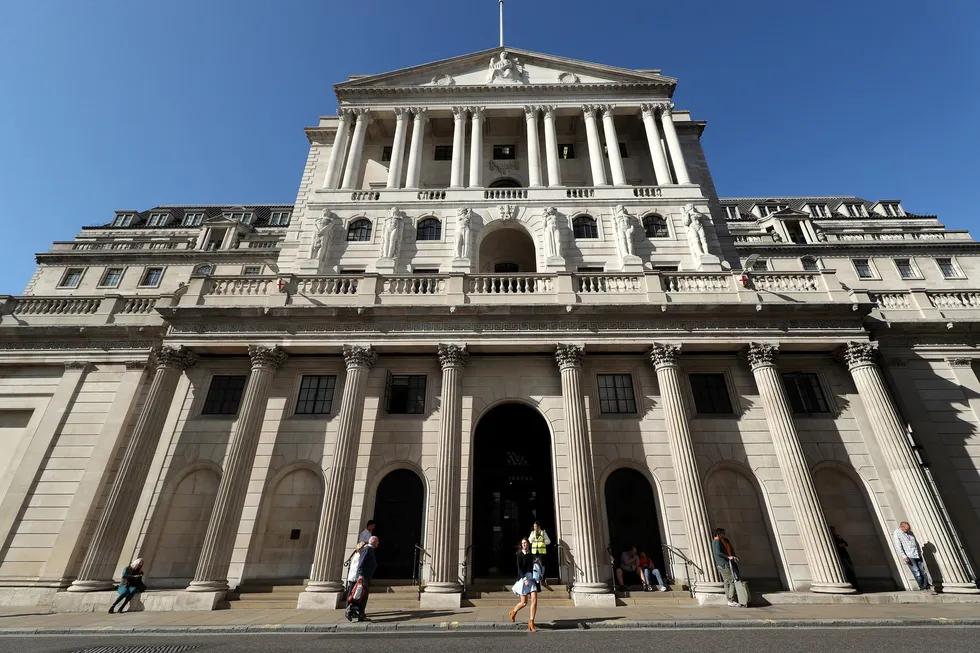
The Bank of England has issued the new guidance
|
PA
The document also addresses how employees may blend traditionally gendered elements within a single outfit, stating that staff can combine “masculine and feminine presentation within the same outfit”.
This new approach to workplace attire comes as the central bank faces scrutiny over its core functions.
Last month, the Bank acknowledged that its predictions for inflation and wage growth had “proved repeatedly too low” since 2022, while recent official forecasts indicated Britain’s economy faces its weakest decade of growth in a century.
Former Conservative cabinet member Sir Jacob Rees-Mogg slammed the new dress code as evidence that the institution is “wasting time” on “trivial issues”.
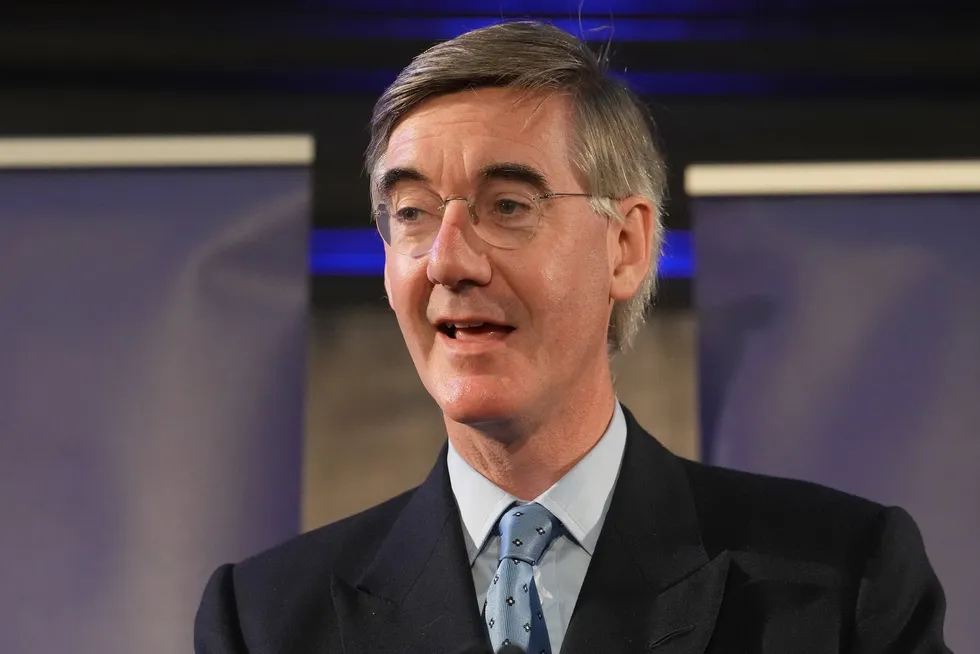
Sir Jacob Rees-Mogg slammed the guidance
|
PA
Sir Jacob told The Telegraph: “First of all, there are men and women, not ‘cis’ men which is itself a politically charged term that seeks to deny the reality of two sexes.”
The former Conservative politician argued that the Bank would be better served focusing on its primary responsibilities rather than such policies.
He said: “It would be better if the Bank of England ran its monetary policy successfully, keeping inflation within target, rather than wasting time and money on painfully woke and essentially trivial issues.”
Millions of mortgage holders depend on the Bank to manage historically elevated inflation through appropriate interest rate decisions.
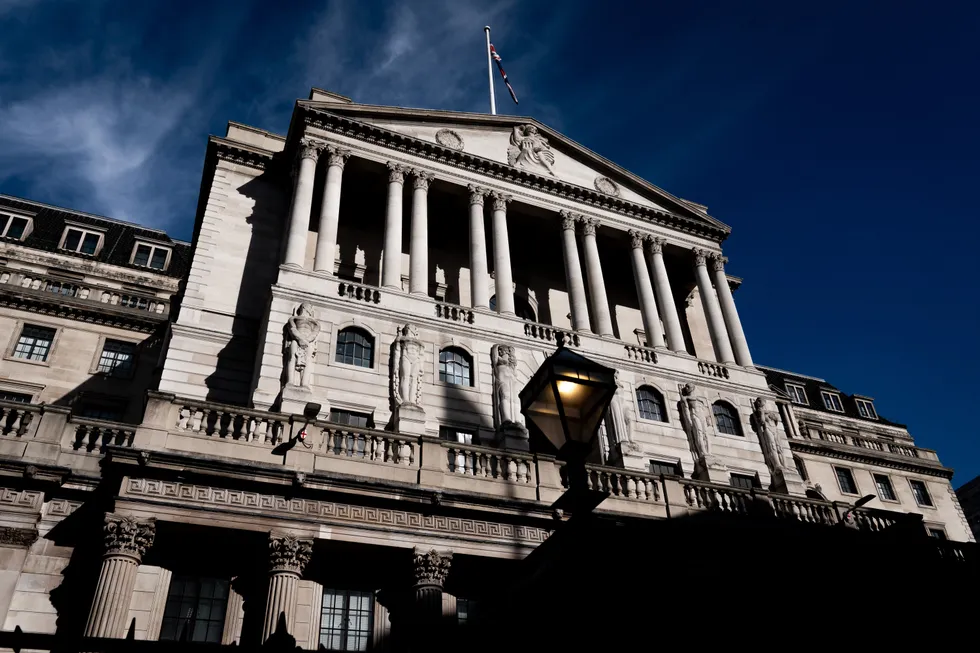
The Bank of England said they follow ‘relevant laws’
|
PAThe Bank has implemented various diversity programmes in recent years that critics argue stray from its central purpose.
Last year, it emerged that Bank employees had been cautioned that micro-aggressions could contribute to heart disease among people of colour.
The latest guidelines also encourage staff to include their pronouns in email signatures as a means of supporting transgender and non-binary colleagues.
The document describes this as “a super easy, one-off step that removes the onus on trans and non-binary people having to explicitly state theirs”.
A glossary within the guidance explores so-called neopronouns, which the Bank says are “increasingly used” as alternatives to conventional pronouns such as he, she, or they.
Examples listed include “xe/xem/xyr, ze/hir/hirs, and ey/em/eir”.
A Bank of England spokesman told GB News: “The Bank’s mission is to maintain monetary and financial stability.
“As an employer, we follow the relevant laws.”