Rachel Reeves under fire as ‘holiday tax’ to increase cost of family trips and put jobs at risk
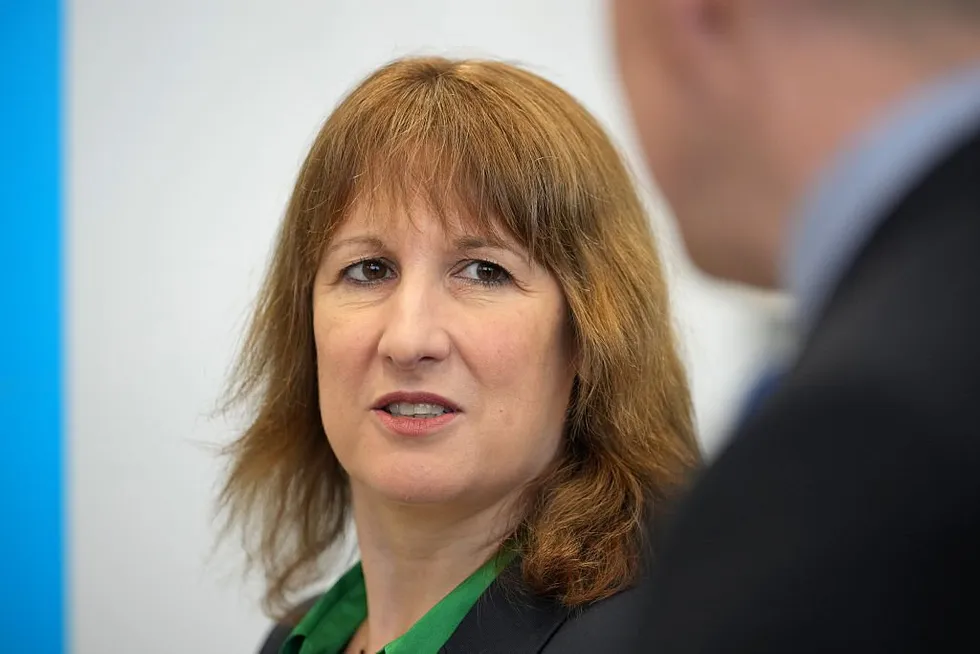
Chancellor Rachel Reeves is facing mounting pressure from the hospitality industry after approximately 200 major accommodation businesses demanded she abandon controversial plans for a so-called “holiday tax” in England.
Leading firms have signed an open letter coordinated by trade body UKHospitality urging the Government to drop the proposed visitor levy.
The industry chiefs warned that the additional charges on overnight stays could add more than £100 to the cost of a typical family break.
The firms that signed the open letter include Butlin’s, Hilton, Travelodge, Haven and Merlin Entertainments, which operates Legoland and the London Eye.
According to UKHospitality’s calculations, a levy of just £2 per person per night would increase the bill for a family of four taking a fortnight’s summer holiday by £112.
“Holidays are for relaxing, not taxing,” the business leaders told Ms Reeves in their letter, arguing the measure would disproportionately burden families.
The proposed levy was confirmed during last year’s autumn budget, when Ms Reeves announced that regional mayors across England would be granted powers to impose charges on overnight accommodation including hotels, Airbnbs and holiday lets.
The scheme follows similar measures already devolved to Scotland and Wales, with the intention of providing local leaders with additional funding for infrastructure and transport improvements.
Several mayors have already signalled their enthusiasm for the new powers. Both London and Liverpool have indicated they plan to introduce levies once the legislation takes effect.

The proposed levy was confirmed during last year’s autumn budget
|
GETTY
The charges would apply across various types of paid accommodation, from major hotel chains to bed and breakfasts and holiday parks.
Industry figures have expressed alarm that the tax could also affect business travellers attending conferences and meetings, potentially driving up costs that would ultimately be passed on to consumers.
The accommodation bosses cautioned that families would bear the brunt of the new charges, with many forced to cut short their breaks, abandon holiday plans entirely, or look overseas for better value.
“This ‘Holiday Tax’ will hit families hardest, puts jobs at risk, drain money from local businesses and communities and undermine the Government’s growth agenda,” the letter stated.
The accommodation bosses cautioned that families would bear the brunt of the new charges
|
GETTY
The signatories raised particular concerns about coastal areas heavily dependent on tourism for employment. Fewer visitors would translate into reduced shifts and diminished opportunities, especially for entry-level workers and those returning to employment, they argued.
Beyond accommodation providers, the ripple effects would damage restaurants, cafes, pubs, taxi firms and shops that rely on tourist spending to survive.
“In many places, it is tourist spending which keeps high streets alive, supporting the small businesses that define our communities,” the letter warned.
The hospitality sector is already grappling with significant financial pressures beyond the proposed levy. Business rates for hotels are set to surge dramatically, with analysis by UKHospitality suggesting average bills will rise by 115 per cent over the coming three years, adding more than £205,000 to typical costs.

The hospitality sector is already grappling with significant financial pressures beyond the proposed levy
|
GETTYWhile pubs secured a 15 per cent discount on their business rates following industry outcry last month, hotels and other accommodation providers were excluded from the relief measures.
Rising energy costs, increased employment expenses and higher National Insurance contributions have compounded the sector’s difficulties.
The letter noted that UK hospitality already pays VAT at 20 per cent, double the rate charged by competitors in France, Italy, Spain and Portugal.
A Government spokesman defended the plans, stating: “We expect any new charges to be modest and in line with other countries, and it is for mayors to consider the right level for their area.”