Assessing Italy’s Winter Olympics economic growth
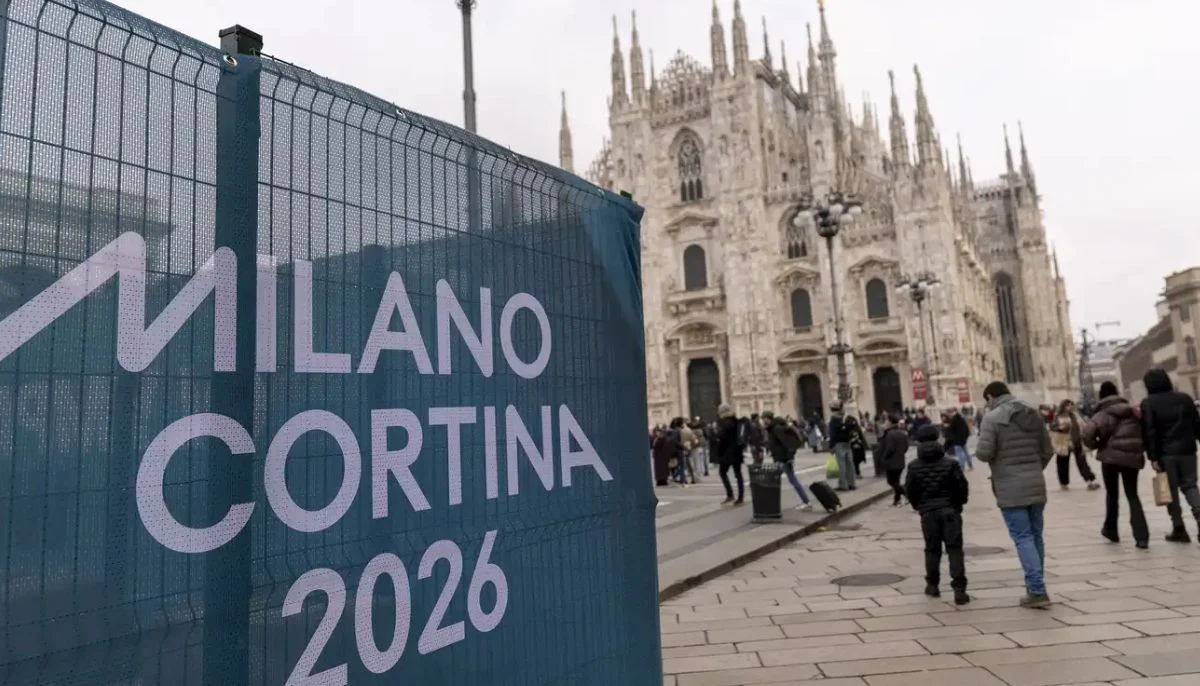
The Milano-Cortina Winter Olympics, which recently officially began are projected to boost the Italian economy and are estimated to generate €5.3billion in total economic value. This marks the first time for Italy’s Winter Games since Turin held the event two decades ago.
A report released by Banca Ifis stated that the overall economic impact of the Games is projected to reach €5.3bn. Out of the total, €1.1bn is expected to come from spending by tourists and staff during the event. Furthermore, an additional €1.2bn is projected from continued tourism in the following 12 to 18 months.
The remaining €3bn is attributed to framework and legacy investments, and organizers anticipate around 2.5 million spectators over the course of the Games. Meanwhile, hotels, transport and service providers in Milan, Cortina are reporting increased demand, with real-time booking data showing growth not only in conventional winter hubs but also in cities like Verona and Venice.
The tourism sector serves as a strong pillar of the Italian economy and Chloe Parkins, lead economist at Oxford Economics said, “Economic and tourism impacts are typically smaller for the Winter Games than the summer event.”
“2024 sold out about 10-12 million tickets-around five times the expected volume for Milano-Cortina.” he further added.
Visa cardholders’ flight and accommodation data suggests a 160% increase in arrivals from abroad to northern Italy during the core Games period. It is clear that international interest is high with many travelers eager to attend at least one event.
In line with new regulations, municipalities within 30 kilometers of Olympic venues are authorised to increase tourist taxes during 2026, with 50% of the revenue being apportioned to the central government. In return, tourists will benefit from an upgraded transport system and improved public spaces that will continue to serve the region long after the Olympic flame goes out.