Thousands of grandparents could be missing out on £6,600 state pension boost this month
Grandparents could increase their state pension by as much as £6,600 simply by helping to care for their grandchildren during the February half term.
Many grandparents do not realise that the time they spend providing childcare can count towards their National Insurance record and could lead to more money in retirement.
Grandparents are increasingly stepping in to look after their grandchildren during school holidays and inset days, according to research.
While many are happy to help their families cut the cost of childcare, experts are reminding them to check whether they can claim childcare credits, which could add more than £6,000 to their state pension over time.
More than four in ten grandparents, around 43 per cent, now provide holiday care, resarch from SunLife found. On average they spend 18 hours a week looking after grandchildren. That is up from 16.5 hours last year and works out at almost three full days each week.
With the average cost of a nanny at £11.68 an hour, families could be saving up to £1,265 over the summer holidays alone, or about £2,953 across all school breaks.
In total, grandparents across the UK are estimated to be saving families £18billion in holiday childcare every year.
Around £7.7billion of that comes during the six week summer break.
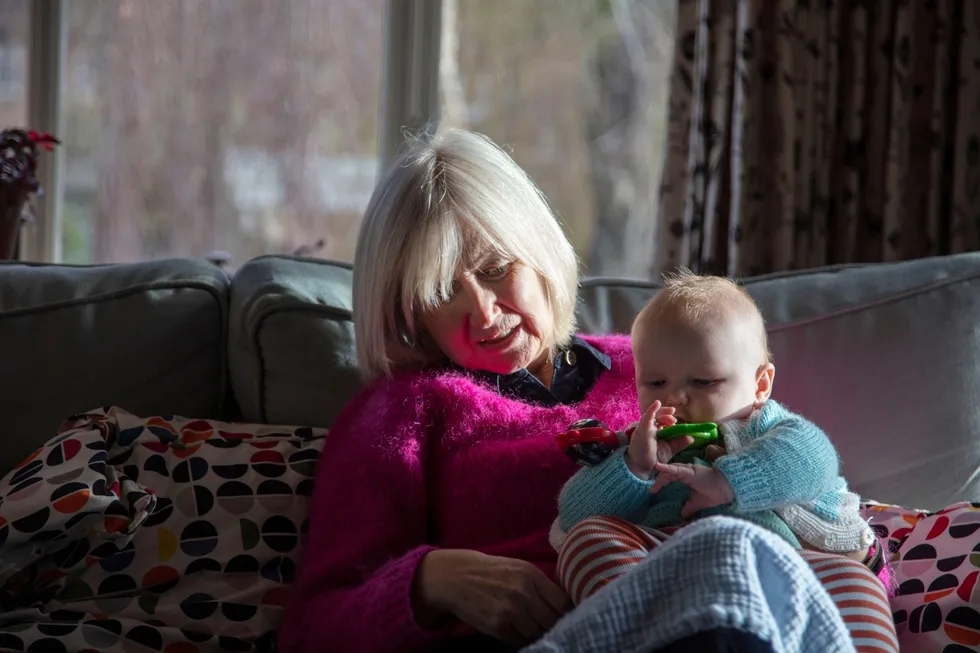 Grandparents could boost state pension payments | ALAMY
The state pension boost comes through Specified Adult Childcare credits. These are National Insurance credits that can help someone build up entitlement to the full state pension.
To receive the full amount of state pension, a person typically needs 35 qualifying years of National Insurance contributions, currently worth £230.25 a week.
The scheme allows parents or relatives who care for a child under the age of 12 to strengthen their pension record.
Each year of credit can increase state pension income by around £330 annually. Over a 20 year retirement, that could amount to almost £6,600.
 Older pensioners could increase their income with a little-known top-up | GETTY
However, providing care for just the February half term alone would not usually be enough to secure a full year of credit. Claims can also be backdated to 2011, when the scheme first began.
It is not only grandparents who may be able to benefit from the scheme.
Anyone who is an eligible family member and provides care for a child can potentially claim, as long as the child’s parent or main carer receives Child Benefit.
If Child Benefit is not being claimed, there are no National Insurance credits available to transfer.
However, only one credit can be passed on for each Child Benefit claim, regardless of how many children are involved. This means that even if someone looks after two or more children, just a single credit can be transferred.
If the grandparents provided care for their daughter’s child and their son’s child, there are likely to be 2 Child Benefit recipients. This means 2 credits are available for transfer.
To qualify, the person receiving the credit must also be below state pension age, which is currently 66.
The child being cared for must be under 12, or under 17 if they are disabled.
How to claim
Applications for the current tax year cannot be made until after October 31.
This allows HMRC to confirm that the parent or main carer has already built up a qualifying year of National Insurance and therefore has credits available to pass on.

Parents and carers can check their National Insurance record through the GOV.UK website
|
UK GOV PRESSParents and carers can check their National Insurance record through the GOV.UK website.
Before applying, claimants will need the child’s details and information about when care was provided. They will also need the contact details of the person receiving Child Benefit.
Both parties must sign a declaration as part of the process.
Applications are made by completing form CA9176 online.