Winter Fuel Payment deadline looms as state pensioners have only TWO DAYS to take action over energy bill support
State pensioners who anticipated receiving their Winter Fuel Payment but have yet to see the money arrive in their bank accounts have just two days remaining to take action.
The Department for Work and Pensions (DWP) has set January 28, 2026, as the cut-off date for those who believe they qualify for the benefit, which can be worth as much as £300.
Most eligible recipients should have had their Winter Fuel Payments deposited automatically during November or December 2025.
However, some individuals may have been missed and must now reach out to the Winter Fuel Payment Centre before Wednesday’s deadline to investigate what has happened.

A Winter Fuel Payment deadline looms, which could impact the energy bill support available to pensioners
|
GETTY
Those born before September 22, 1959, and living in England or Wales are generally entitled to the payment. The amount depends on individual circumstances during the qualifying week of September 15-21, 2025.
Individuals living alone or without another qualifying household member could receive £200 if born between September 22, 1945 and September 21, 1959, or £300 if born before September 22, 1945.
Joint claimants on Pension Credit, Universal Credit or certain other benefits follow similar age-based thresholds.
To query a missing payment, recipients can telephone the Winter Fuel Payment Centre on 0800 731 0160 or contact their local DWP centre.
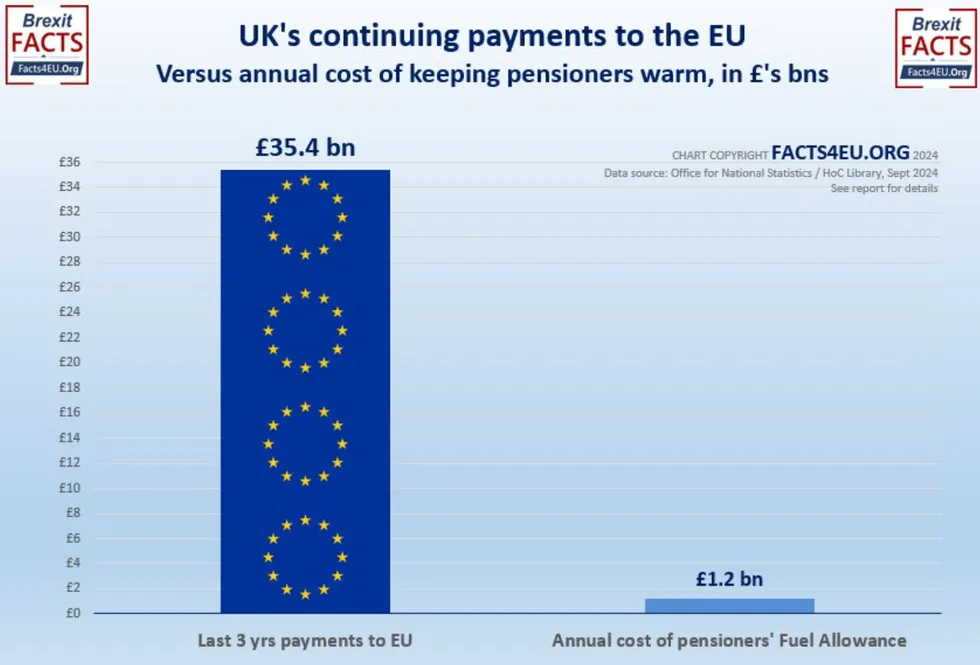 Chart of UK payments to EU vs cost of Winter Fuel Payment | © Brexit Facts4EU.Org 2024
Pensioners are reminded to have their National Insurance number and bank details at the ready as they will need this information to check their eligibility for the energy bill benefit.
The deadline arrives as new figures reveal the scale of Britain’s energy debt emergency. According to Money Wellness, the country’s largest free debt counselling service, households seeking assistance with energy arrears owe an average of £1,800, which is the equivalent to an entire year’s worth of bills.
Analysis of enquiries received by the organisation throughout 2025 shows millions of families are already at breaking point.
Requests for help typically surge during the festive season when increased winter consumption meets Christmas spending pressures.
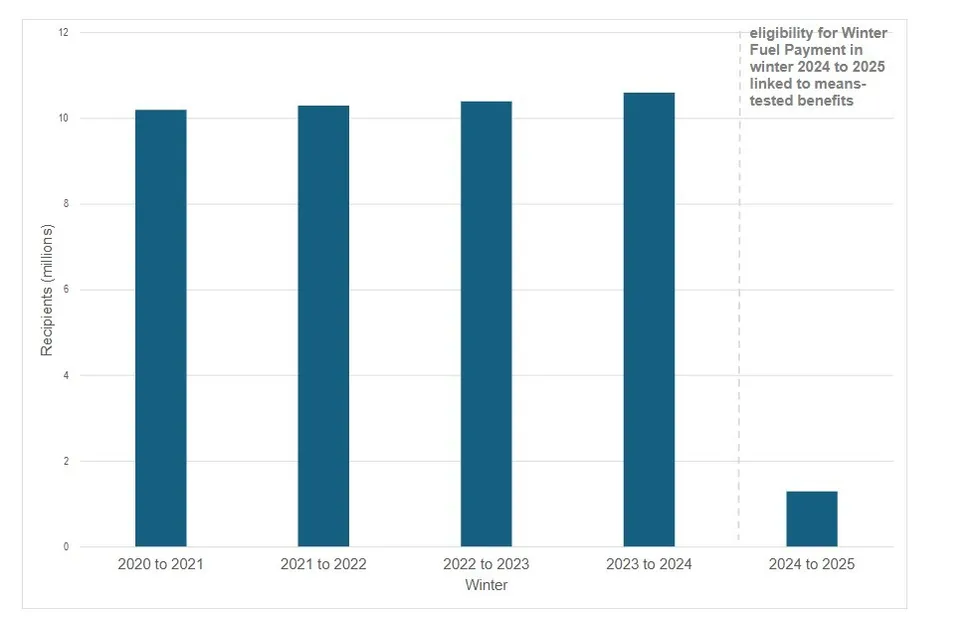 Eligibility of Winter Fuel Payment in winter 2024 to 2025 linked to means-tested benefits | DWP
Sebrina McCullough, the director of external relations at Money Wellness, said: “For many households, energy debt is no longer a short-term problem; it’s become a permanent crisis.”
The government has announced that average household energy bills should decrease by approximately £150 from April 2026, once certain levies are removed from domestic tariffs.
Energy suppliers are expected to pass these savings on to customers across standard, fixed, and prepayment plans.
Yet Money Wellness is cautioning households in need that this relief will arrive far too late for families already drowning in arrears.
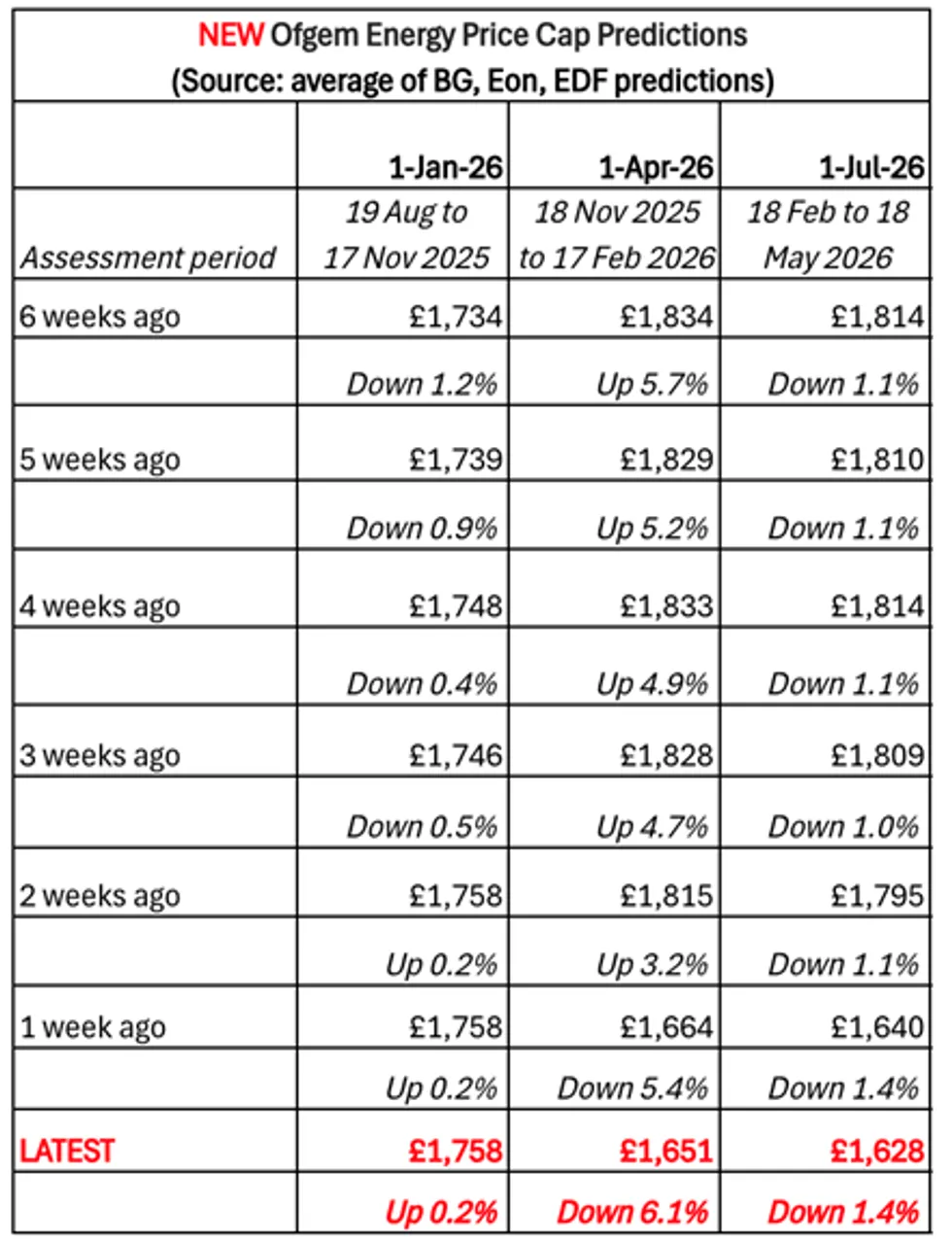
How will the Ofgem energy price cap change this year year?
|
MARTIN LEWIS / XMrs McCullough added: “Any reduction is welcome, but it’s still several months away and doesn’t help people who are already in serious difficulty right now. We also need to be honest that these changes won’t go far enough for the lowest-income households.”
In light of this, Money Wellness is urging the Government and energy industry to implement more productive social tariffs for energy, similar to those already available for water, broadband and mobile phones.
“Social tariffs have proved they work in other essential services,” said McCullough.
“Energy is just as vital, especially in winter. Without targeted support, people on the lowest incomes will continue to fall further behind, regardless of what happens to the price cap.”