TV licence fee needs drastic overhaul, BBC boss admits as broadcaster in ‘profound jeopardy’
The BBC faces an existential threat unless it embraces major changes to the way it is funded, according to outgoing director general Tim Davie, who warned the corporation was in “profound jeopardy” and urged supporters to rally behind it.
He said the broadcaster could not afford to be complacent about its future. “It feels the jeopardy is high, and we have got to stand up and fight for it,” he stated.
Mr Davie stepped down last November following controversy over the BBC’s editing of a speech by Donald Trump.
He said his biggest concern was that the organisation would fail to act quickly enough. “My biggest fears are that we just roll on and think it’s going to be OK,” he said. “We don’t reform enough and if we don’t do that, we’re in trouble.”
Mr Davie signalled support for reforming the licence fee but rejected alternative funding models floated in a recent Government paper. “We do want reform,” he said.
“We do want reform of the licence fee.”
He stressed that reform should not simply mean charging households more.
He also ruled out shifting the BBC to an advertising‑funded or subscription model, arguing such approaches would undermine its role as a universal service. “If you go to advertising or subscription, you’re no longer a universal service,” he said. “It’s a societal choice.”
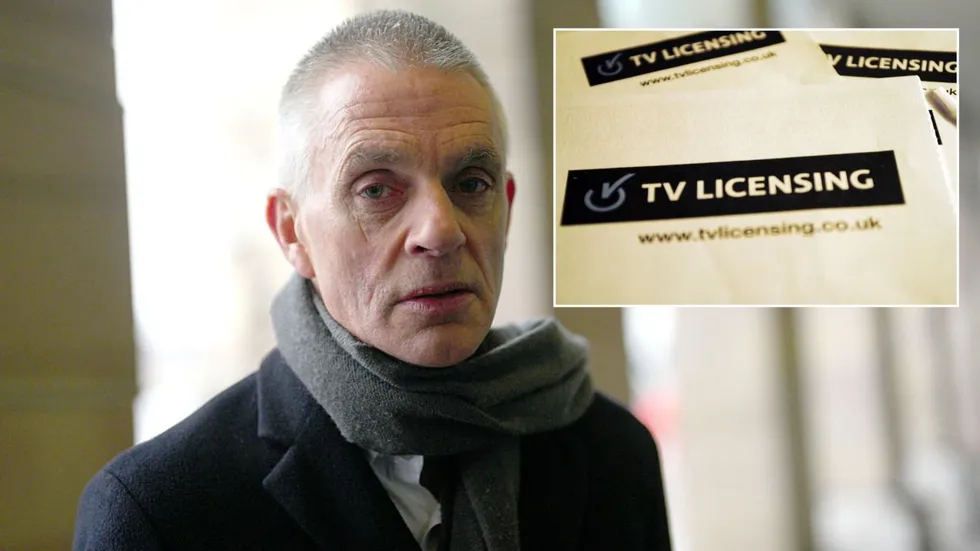
Outgoing director general Tim Davie has warned that the BBC faces an existential threat unless it undertakes major reforms to its funding model
|
GETTY/PA
BBC chair Samir Shah has previously suggested replacing the licence fee with a household levy collected through council tax, which is a model supporters say could be more progressive and reduce the need for enforcement visits.
Mr Davie also called for governance reforms to strengthen the BBC’s editorial independence, following concerns that his departure and that of BBC News chief Deborah Turness were linked to board interference.
“I’m a big fan of the independence of the BBC,” he said. “We need governance reform.”
He insisted public support for an independent BBC remained strong, citing research carried out by the corporation.
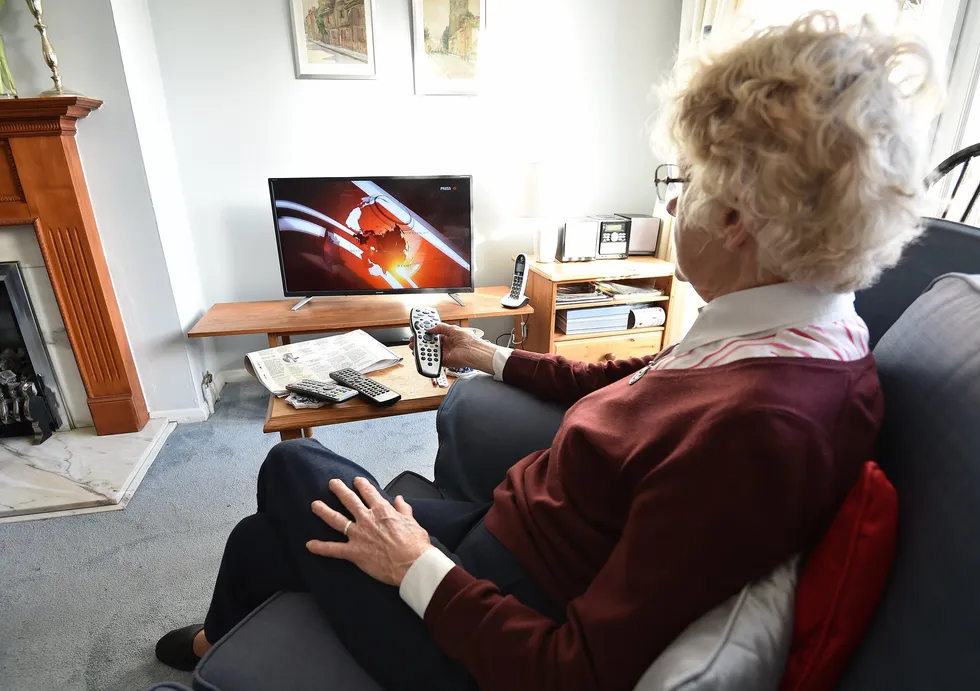
He insisted public support for an independent BBC remained strong
|
PA
“We did a survey of 40 million people,” he said. “The biggest thing they wanted was an independent BBC.”
Mr Davie also criticised what he described as the “weaponisation” of BBC mistakes by critics.
“Weaponisation is not about the battle of an individual cock‑up or one fact,” he said. “It’s about proportionality.”
His intervention comes as negotiations begin over the BBC’s next royal charter, which expires at the end of 2027.
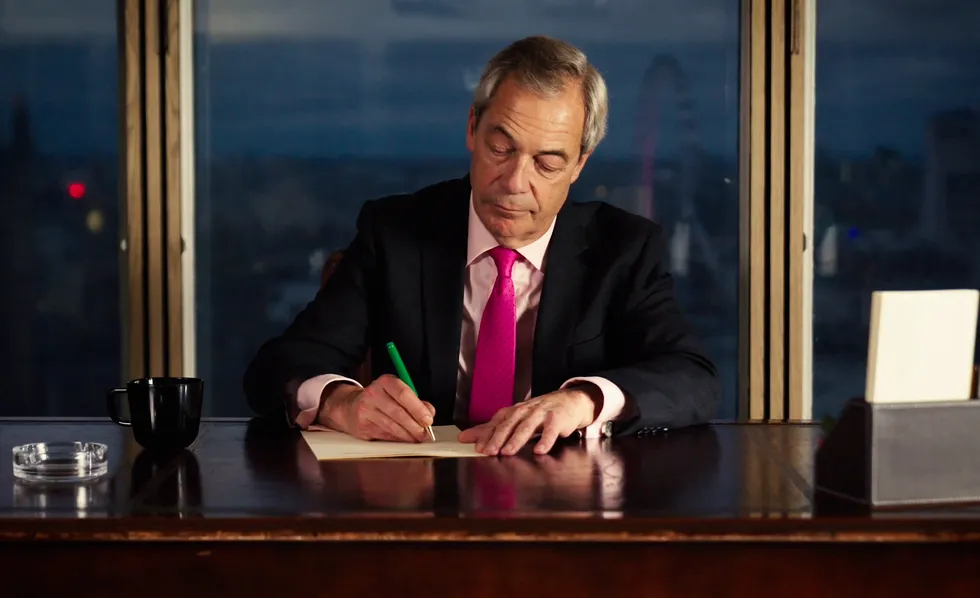
Nigel Farage has also called for the TV License to be reformed
|
NIGEL FARAGE/XFunding arrangements are expected to be central to the talks.
The corporation has faced growing financial pressure, with the licence fee losing around a third of its value in real terms since 2010.
The annual fee currently stands at £174.50, while rates of non‑payment have been rising.
The BBC is now searching for Mr Davie’s successor, who will lead charter negotiations and oversee future funding discussions amid intensifying competition in the media sector and political pressure from figures including Donald Trump and Reform UK.