‘There is some major concerns’
Anti-knife crime campaigner Ken Hinds has urged caution over the expansion of facial recognition technology by police forces, saying there are “some major concerns” about its use.
Speaking to GB News, Mr Hinds welcomed the technology for its potential to catch violent offenders, particularly those who commit crimes against women and children.
But he warned that misidentifications can have serious consequences.
Speaking on The People’s Channel, Mr Hinds said: “I welcome this technology, but it always comes with what I term safeguarding concerns.
“My concerns come from my lived experience of people who have been caught up in errors.
“One of my colleagues was misidentified by this very same technology, and the embarrassment caused by being stopped in public was significant.
“It’s like being ‘stopped and scarred’ rather than ‘stopped and searched’ it can undermine confidence in having positive interactions with the police.
“There’s a real knock-on effect when misidentification happens.
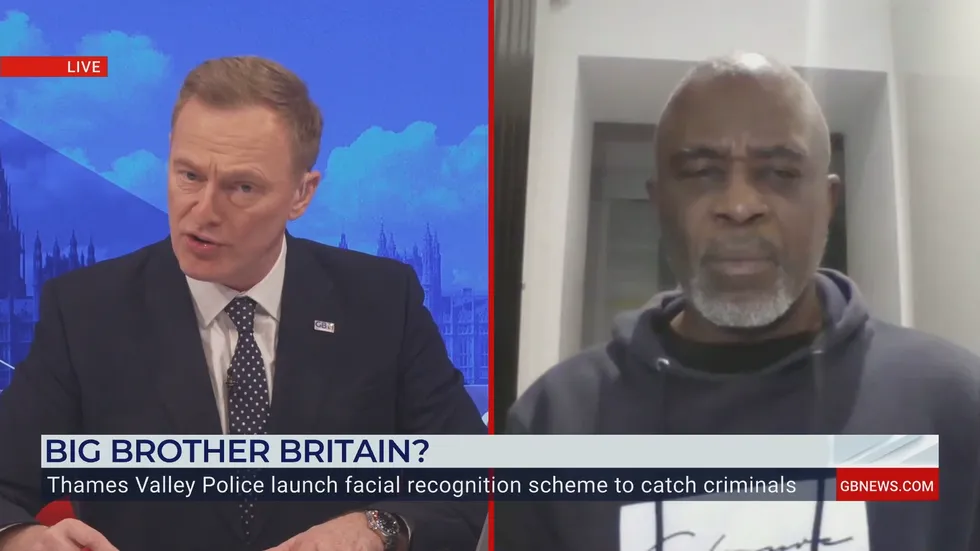
Ken Hinds said that there are some concerns about the tech
|
GB NEWS
“I need transparency, I need accountability, and I need to know how widely this technology will be used. Is it only for serious crimes, or could it be applied to minor issues, like parking tickets?
“And when it gets things wrong, how do you fix it? How do you remove people’s misidentifications from the system? Those are my concerns.”
A live facial recognition (LFR) van, supported by a team of officers, was deployed at Midsummer Place shopping centre on Tuesday, January 13, to identify criminals, wanted individuals, and persons of interest.
The technology was also rolled out in High Wycombe town centre as part of wider efforts to tackle crime in the area.
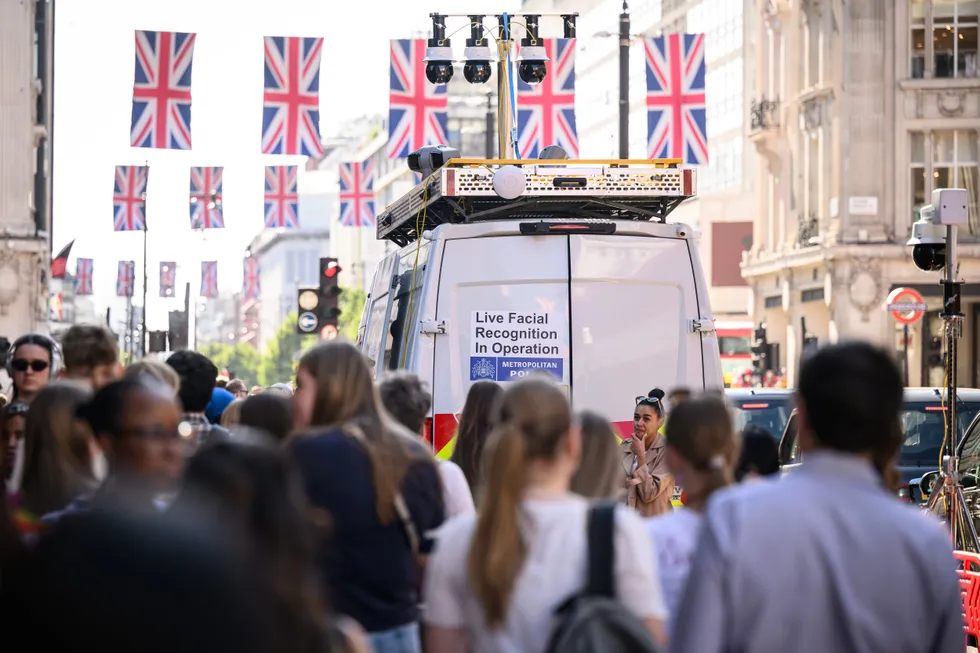 Facial recognition is currently used by nine police forces across Britain | GETTY
Across Buckinghamshire and Milton Keynes, police made 19 arrests that day.
The LFR system works by analysing distinctive facial features to create a biometric template, which is then compared against a database of known faces to identify potential matches for individuals wanted by the authorities.
Arrests were made for armed robbery, conspiracy to burgle, theft of motor vehicles, handling stolen goods and more.
A number of people who were wanted for failing to appear at court or on recall to prison were also found.
Mr Hinds added: “I have no issue with supporting new technology so long as it does what it is intended to do.
“I fully support its use to catch violent offenders, especially those who commit offences against women and children.
“For example, the people they caught in Croydon had been on the run for 20 years. That’s exactly the kind of use I welcome. But my concern is when the scope is widened into areas that cause public concern about misuse.
“Again, I support the technology being used to catch serious offenders, but I would like clarity on the full range of people it’s being used on and the reasons for their detention.”