‘You may never get money back!’
More than five million British workers were overcharged on their income tax during the previous year, according to analysis from national accountancy firm UHY Hacker Young.
The total amount of excess tax collected by HM Revenue and Customs (HMRC) reached £3.5billion in 2025, affecting 5.6 million taxpayers across the country, analysts warn.
The accountancy group has issued a stark warning to employees: the tax authority bears no responsibility for identifying when someone has paid too much through the PAYE system.
Workers must therefore take it upon themselves to verify their tax codes are accurate, as HMRC will not proactively alert them to overpayments or errors in their calculations.

Millions are understood to being overcharged billions in tax to HMRC
|
GETTY
The root cause of these overcharges lies predominantly in faulty tax codes issued by the revenue service, UHY Hacker Young explains.
When an individual’s circumstances alter but HMRC lacks current information, the department continues deducting tax based on its own income estimates rather than verifying details with the taxpayer.
Common errors arise from the assumption that employees still receive workplace perks such as company vehicles, private healthcare or gym memberships when these benefits have ended.
Mistaken calculations about secondary earnings from property rentals, dividend payments or freelance work also contribute to incorrect codes.
Further complications stem from uncertainty about how many positions someone holds, alongside delayed or outdated payroll submissions from employers.
The scale of the problem stems partly from HMRC’s reduced scrutiny of its own calculations, with fewer internal reviews now conducted to catch mistakes and overpayments.
Neela Chauhan, a partner at UHY Hacker Young, says: “Millions of people are paying the wrong amount of tax simply because HMRC is almost guessing what they earn. For too many people, this will go completely unnoticed.”
She added: “HMRC won’t always correct overcharging mistakes automatically. If you don’t check your tax code or your PAYE calculation, you may never get your money back. The onus is on taxpayers to spot HMRC’s errors.”
The accountancy firm urges individuals to scrutinise their tax codes and annual PAYE summaries for inaccuracies, with particular attention needed from those receiving company benefits or income outside the standard payroll system.
Paper notifications about tax code changes are no longer routinely dispatched, meaning countless employees remain unaware their code contains errors. Even after discovering they have been overcharged, taxpayers often face a protracted and frustrating process to recover their money.
UHY Hacker Young reports that many people experience lengthy delays when attempting to reclaim funds, with written correspondence frequently going unanswered and telephone enquiries left unresolved.
Despite this issue, Britons are being reminded to file their Self-Assessment tax forms with HMRC before the January 31 deadline or face an initial penalty of £100, which could rise further.
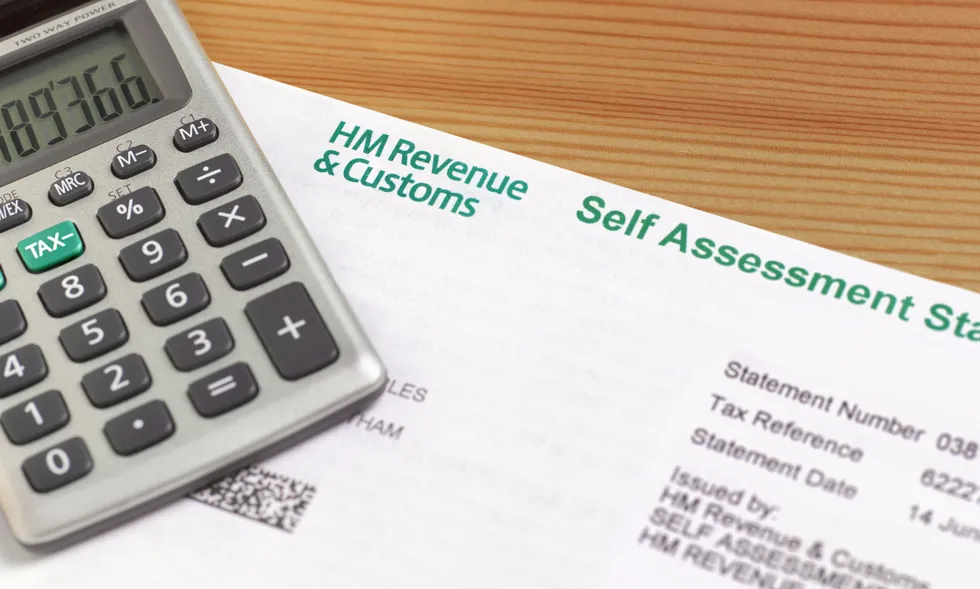 Self-employed individuals need to file their tax returns | GETTY
Claire Trott, the head of Advice at St. James’s Place, said: “With less than two weeks to go until the Self-Assessment deadline, the pressure is on for millions of taxpayers who have yet to file their return.
“While the tax return process is daunting to many, it’s really important to get started on it as early as possible. Missing the deadline is a costly mistake to make, with HMRC charging £100 to anyone missing the January deadline, and even more as time goes on.
“It’s also important not to complete your tax return too late as filling it out in a rush could result in important details being overlooked, and, ultimately, leave many paying more tax than necessary.
“For those pulling together their tax return in the final few days, there are a number of details that can easily be overlooked when filing, but which can add up to significant tax relief. Taking the time to include all relevant information is crucial to ensuring taxpayers receive the full relief they are entitled to.”