Thousands file tax returns on Christmas Day to avoid £100 fine
Thousands of Britons chose to submit their Self Assessment tax returns over the Christmas period last year, with tens of thousands filing forms on Christmas Day
HM Revenue and Customs (HMRC) data shows more than 40,000 taxpayers submitted their Self Assessment returns between Christmas Eve and New Year’s Day last year.
The figures include 4,409 people who filed their tax returns on Christmas Day itself.
HMRC also recorded 23,701 submissions on December 24.
The data suggests a growing number of taxpayers are using the quieter holiday period to complete their tax affairs ahead of the January deadline, with the end-date for submitting Self Assessment tax returns is January 31.
This comes as many small business owners and self-employed workers face mounting financial pressures.
Research by accounting software provider FreeAgent shows around 16.5 per cent of small business owners believe they will perform worse over the coming year or may have to close their businesses.
Emily Coltman FCA, chief accountant at FreeAgent, said rising costs are placing strain on entrepreneurs across the UK.
“Small business owners and self-employed people have been hit hard as a result of rising prices, record inflation and tax rises.
“It is more important than ever for SMEs to avoid unnecessary and avoidable costs.”

Thousands of Britons chose to submit their Self Assessment tax returns over the Christmas period
|
GETTY
Filing tax returns early can help businesses plan their finances and avoid penalties, according to experts.
Taxpayers who miss the January 31 deadline face an automatic £100 fine from HMRC.
Interest charges are also applied to any unpaid tax after the deadline.
If a return remains outstanding after three months, additional penalties begin to accrue.
Ms Coltman warned that missing the deadline can quickly lead to higher costs.
“The last thing businesses need at this difficult time is to incur an automatic £100 fine for missing the deadline, but it is also important that they pay their tax on time too.
“If they do not, interest and penalties can quickly build up and create a financial headache in the new year.”
HMRC has repeatedly urged taxpayers not to leave their returns until the final days of January.
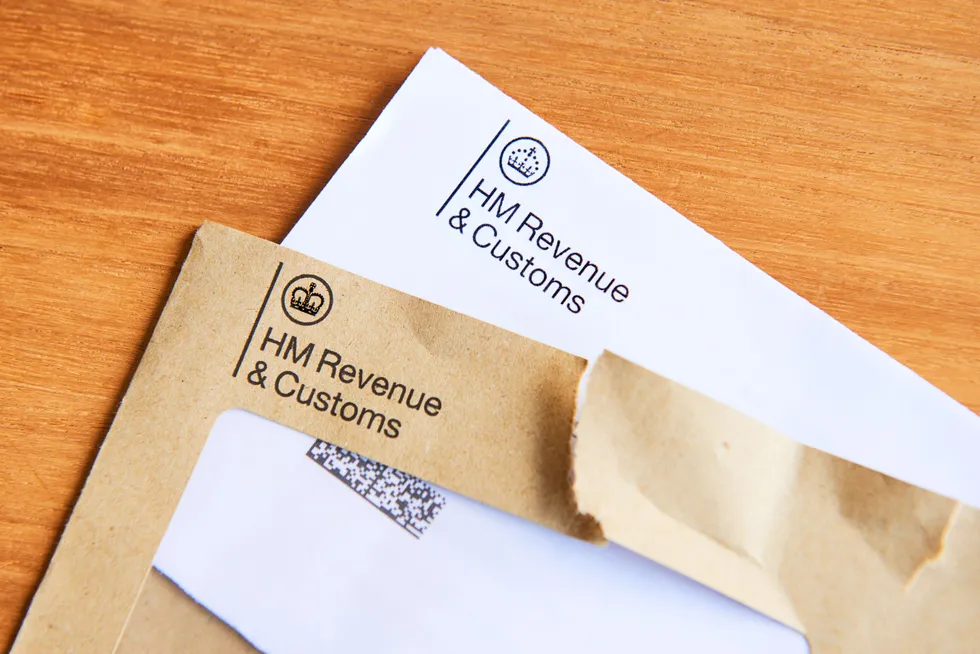
The department has previously warned that its online system can slow down as large numbers of people attempt to file close to the deadline
|
GETTYAccountants say preparation is key to reducing stress when completing a Self Assessment return.
Ms Coltman said gathering documents in advance can make the process more manageable.
Taxpayers are advised to collect their P60 and P11D forms, bank interest certificates and pension income statements before starting their return.
Records of any Gift Aid donations made during the tax year should also be included.
Experts warn that using documents from the wrong tax year is a common mistake.
For the current Self Assessment deadline, taxpayers must use paperwork covering the period ending April 5, 2025.
When reporting bank interest, individuals should include the total interest earned during the tax year.
Those with joint accounts only need to report their own share of the interest.
Interest earned on Individual Savings Accounts does not need to be included on a Self Assessment return.
Couples may also be eligible for Marriage Allowance.

HMRC encourages eligible couples to check whether they qualify before submitting their returns
|
GETTYThe scheme allows a non-taxpayer to transfer part of their personal allowance to a partner who pays basic rate tax.
Submitting early can help people understand what they owe sooner and spread the cost if necessary.
The department has not indicated whether it expects the festive filing trend to continue this year.
However, with financial pressures remaining high for many households and businesses, advisers say early submission is likely to remain popular.