Community fighting to save 114-year-old icon of northeast from ‘catastrophe’
Teeside locals are banding together to save Middlesbrough’s Tees Transporter Bridge, a beloved landmark that faces the prospect of total structural failure without urgent intervention.
The 114-year-old crossing ranks among just 13 transporter bridges remaining across the globe, yet a recent assessment has warned of “catastrophic collapse” with full restoration now estimated at £67million.
Shut to traffic since 2019 following the discovery of stretched cables on its gondola, the Grade II-listed landmark remains trapped between deteriorating infrastructure and unresolved funding disputes.
It has endured two wartime bombing raids and more than a century of harsh northern weather and was famously dubbed the “blue dragonfly” by poet Ian Horn.
During its heyday, the crossing handled five million journeys annually, connecting workers living south of the Tees with employment on the northern bank.
Without it, residents of Port Clarence face either a two-hour walk or a 40-minute drive to reach Middlesbrough.
Tosh Warwick, a Middlesbrough-born historian and University of Sheffield researcher, warned losing the bridge would represent “a total disregard for both local and national history”.
“Not opening that bridge effectively abandons that community in Port Clarence and any developments on that side of the river,” he added.
The restoration project has stalled amid a political impasse between local authorities and the central Government.
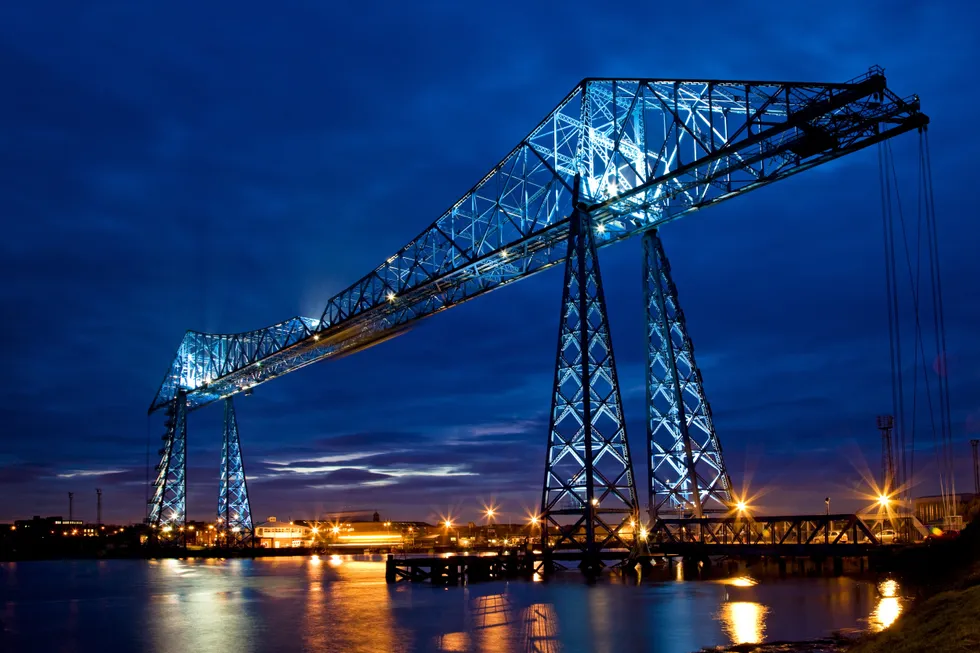
Teeside locals are fighting to save the 114-year-old Tees Transporter Bridge from ‘catastrophe’
|
GETTY
Stockton-on-Tees Borough Council and Middlesbrough Council jointly own the bridge, although the later manages it directly.
Department for Transport funding of £30million was previously agreed, but the latest cost projections have more than doubled that figure, leaving a gap of at least £37million that cannot be secured until final designs and costings are completed.
Emergency stabilisation work and ongoing monitoring have already topped approximately £1.77million.
Despite the dispute, locals have rallied behind efforts to preserve the landmark structure.
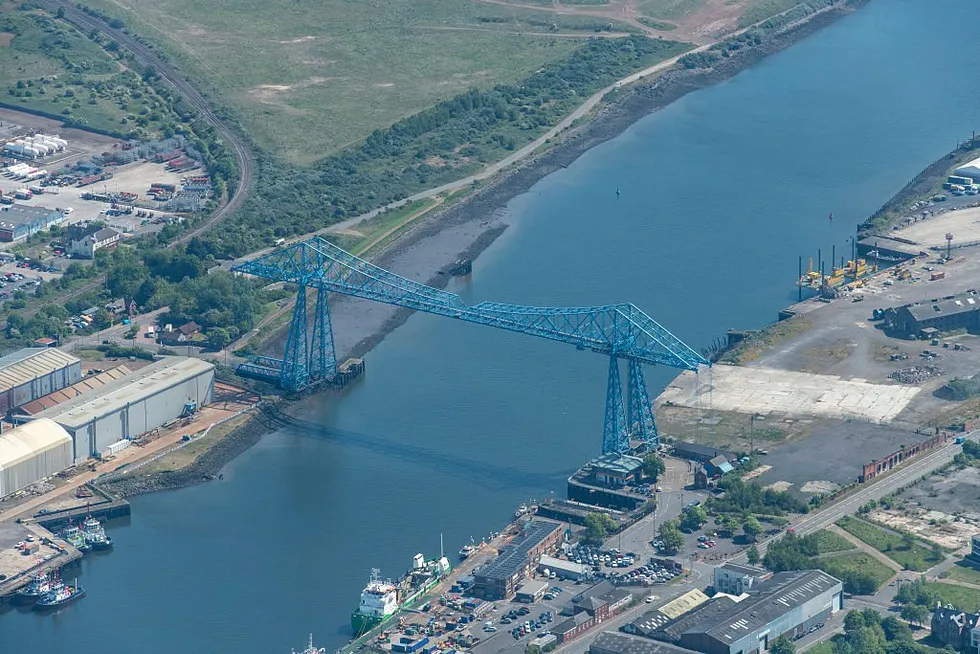
The restoration project has stalled amid a political impasse between local authorities and the central Government
|
GETTY
A survey conducted by Ben Houchen, the Conservative mayor of Tees Valley, revealed overwhelming backing for restoration, with 83 per cent of 3,000 respondents favouring the £60million repair option over a £15million replica.
Mr Houchen has sharply criticised Middlesbrough council for what he considers unnecessary delays in finalising cost estimates.
“The longer they take, the more they put it at risk, because they themselves are not doing the work it’s an abdication of responsibility by the council,” he said.
The Tory also suggested the bridge’s location worked against it in securing Government attention.
“If Tower Bridge was in this state, there’d be no hesitation at finding the money to fix it and solve it really, really quickly. But we’re in the northeast of England, and so it won’t get the importance and it won’t get the attention that it needs and deserves,” he said.
Chris Cooke, Labour mayor of Middlesbrough, has also rejected suggestions the project represented poor value.
He questioned: “There’s always money for things like HS2. There’s always money for a million other projects. Why not us? Why do we not deserve that money?”
Mr Cooke described the bridge as “the quintessential image of Middlesbrough”, adding: “Most of the stuff we built didn’t stay in the town. It’s across the world. So this is one of the few pieces that we can point at and it’s a real hark back to our heritage.”
He pledged that the council took its responsibility to the bridge’s legacy “very seriously indeed”.
“No stone will be left unturned in our quest to preserve and restore one of the icons of the northeast skyline,” Mr Cooke added, per The Times.
Engineers face unusual technical obstacles in repairing a structure where wind rather than vehicle weight constitutes the primary load, rendering conventional scaffolding impractical.
Researchers are also examining 1,000 historical documents and plans preserved at Teesside Archives. Preliminary design work should conclude by mid-2026, with construction hoped to commence in 2027 and reach completion by 2032, pending funding approval.