HMRC plans to ‘confiscate’ more of YOUR cash in latest tax grab
Tax changes that were framed as helping people manage their books in fact could be used to help the Government draw more money from your pocket, experts have claimed.
Details of the measure were set out in Budget documents published by Chancellor Rachel Reeves, where ministers said the change would allow for “more timely payment for Self-Assessment”.
Under the proposal, HMRC would gain the power to adjust PAYE tax codes to collect tax owed on self-employment and other self-assessment income directly from wages and pensions.
The policy is aimed at taxpayers who receive income through both PAYE and self-assessment.
A consultation on how the changes would be implemented is expected in early 2026.
The Treasury has also said it is exploring options for taxpayers who receive self-assessment income only.
Mike Warburton, a former tax director at Grant Thornton, said the proposals would bring forward when tax is collected rather than change how much is owed.
He told the Telegraph: “HMRC says the proposed change is to help people manage their tax liabilities.

Details of the measure were set out in Ms Reeves’s Budget
|
GETTY
“An alternative view is that this is yet another way for the Government to collect tax earlier, because they would rather have the cash in their bank account than yours.”
He said the measure appeared unexpectedly within the Budget documentation.
HMRC has said around 1.1 million taxpayers failed to meet their payment on account obligations in January last year.
The department said unpaid balances required follow-up action to recover outstanding sums.
The changes would initially apply to individuals who receive both PAYE income and self-employed or other taxable income declared through self-assessment.
This includes workers who supplement salaried employment with freelance or contract work.
Semi-retired individuals could also be affected.
Many receive private pension income taxed through PAYE while continuing to earn additional income from consultancy work or property.
Contractors are another group likely to be impacted.
Some have already had payments processed through PAYE by clients seeking to manage compliance risks.
Contractors are likely to be impacted
|
GETTYAt present, HMRC requires taxpayer consent to use PAYE coding adjustments to collect self-assessment liabilities.
Under the proposed changes, that consent requirement would be removed for those with both PAYE and self-assessment income.
Accountants have raised concerns about the complexity of delivering the policy.
One practitioner said the system would be challenging to administer.
“This would be difficult to implement for an organisation that has its house in order. For HMRC, it will be an unmitigated disaster”.
Another accountant pointed to existing difficulties in managing PAYE codes for higher-rate taxpayers.
They said frequent changes to tax codes already cause confusion and errors.
HMRC’s tax code accuracy has previously been criticised by professionals.
AccountingWEB commentators have said coding errors remain a persistent issue within the system.
Individuals with irregular or seasonal income could face additional complications.
Traders whose earnings fluctuate throughout the year may see tax collected before income has been fully received.
HMRC has said the changes would not increase overall tax liabilities.
However, critics have said the timing of payments could affect cash flow for self-employed workers.
Mr Warburton said the proposals raised questions about fairness.
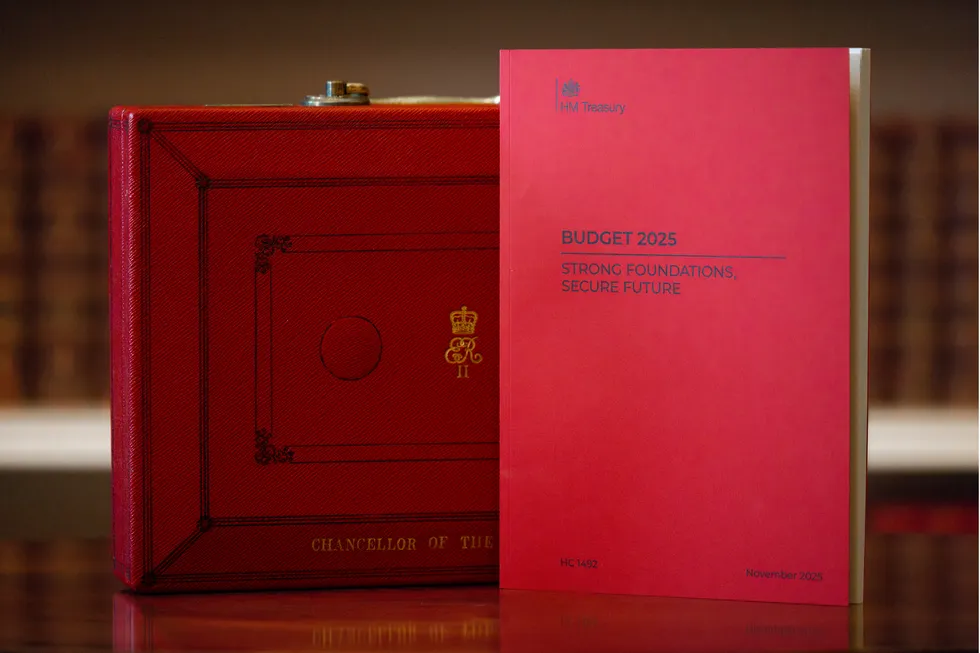
The changes were in the official Budget 2025 document
|
TREASURYHe noted that individuals earning solely through self-assessment would continue to pay tax under existing schedules.
By contrast, those with additional PAYE income would see tax collected earlier.
The proposals would be introduced alongside the Government’s Making Tax Digital programme.
That programme is designed to modernise tax reporting and requires many self-employed individuals to submit more frequent digital updates.
HMRC said further details would be provided following consultation.
The department has not yet confirmed how safeguards would operate to prevent over-collection or address fluctuating income.
The changes are not due to take effect until April 2029.
HMRC have been contacted for comment.