One of Britain’s rarest plants rescued after ‘rather catastrophically deciding’ to grow on public footpath
Conservation experts have intervened to save one of Britain’s most endangered plant species after it made an unfortunate decision about where to establish itself.
The starved wood-sedge, which exists at just two native locations across the country, found itself in peril when specimens at Axbridge in Somerset migrated from their bankside habitat onto a well-used walking route.
A small group of these rare plants had been surviving near woodland along a path edge, but their shift onto the footpath itself left them vulnerable to being crushed underfoot by passing walkers.
The Species Recovery Trust, which has monitored this species for over twenty years, launched a rescue mission to protect the critically endangered sedge.
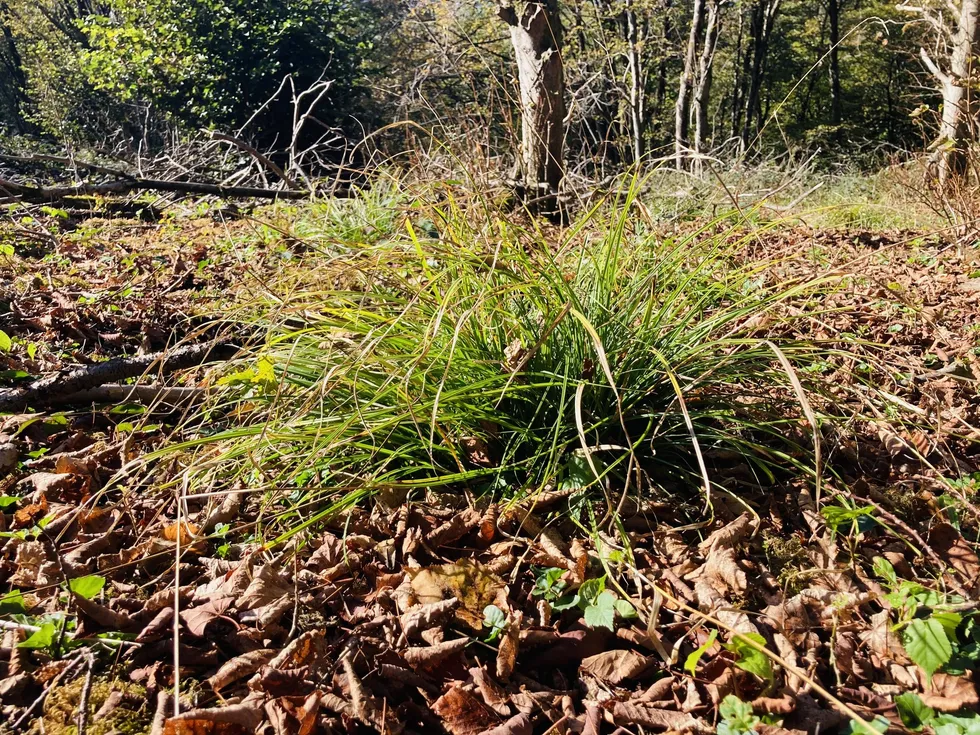
The starved wood-sedge exists at just two native locations across the country
|
PA
Dominic Price, director of the trust, said: “In the last few years the plants have unfortunately, and rather catastrophically, decided to move off the bankside habitat we have maintained for them, and started growing directly on a public footpath.
“This has put them directly in harm’s way from being trampled.”
In response, conservationists opted to extract the specimens from the track and relocate them to a specialist plant nursery facility.
There, the sedge will undergo propagation through a process of dividing existing clumps and cultivating the separated sections into mature plants.
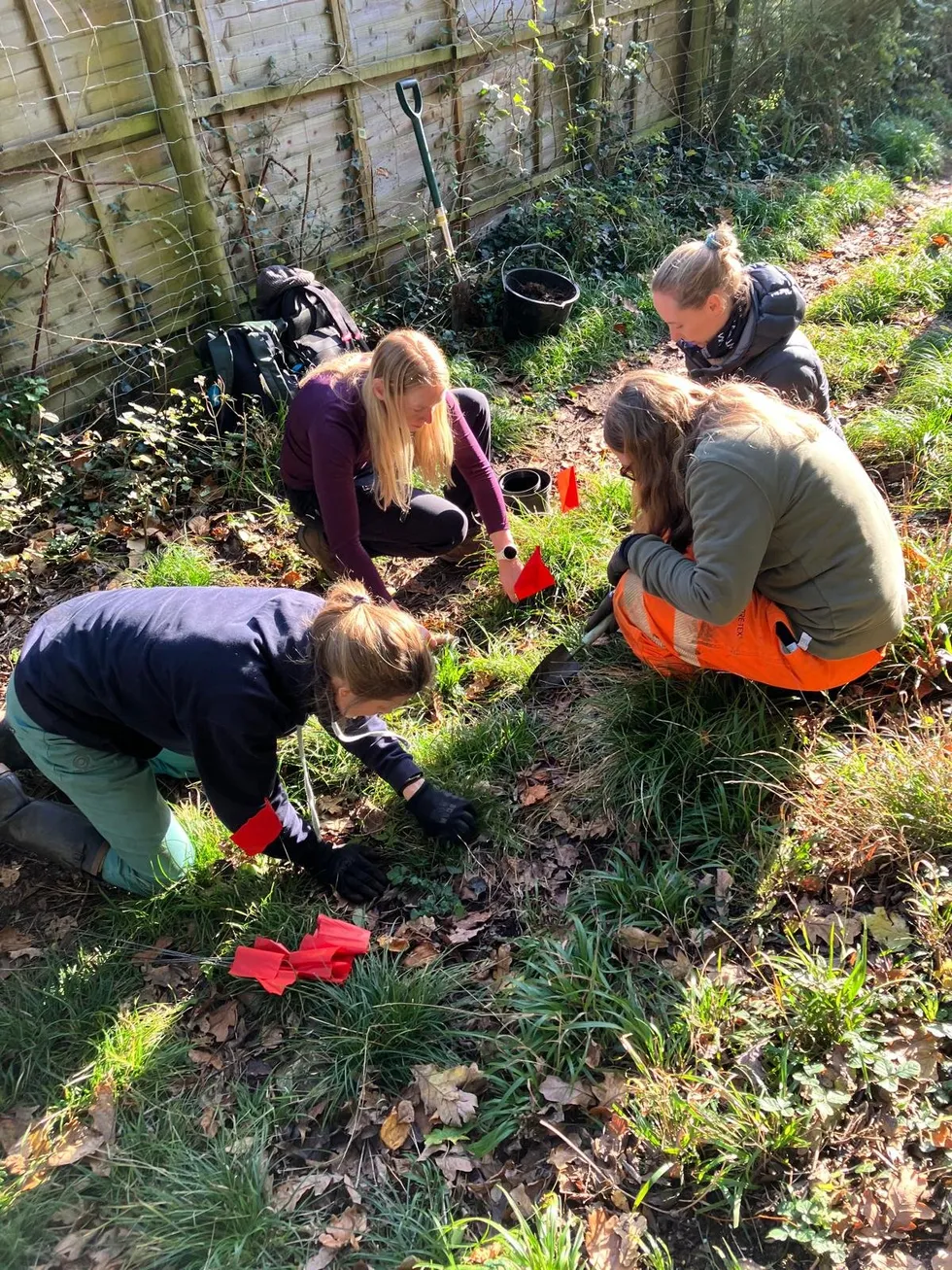
The Species Recovery Trust launched a rescue mission to protect the critically endangered sedge
|
PA
Once sufficiently established, these propagated specimens will be returned to recolonise their original Somerset location.
Additional plants will also help establish two entirely new populations within the Mendip Hills National Landscape.
The starved wood-sedge, an unassuming grass-like plant, typically thrives in wetland environments including bogs, fens, swamps and damp woodland margins.
Despite producing small, inconspicuous flowers bearing both male and female blooms on individual plants, the species still manages to attract various insect pollinators.
BRITAIN’S REMARKABLE NATURE – READ MORE:
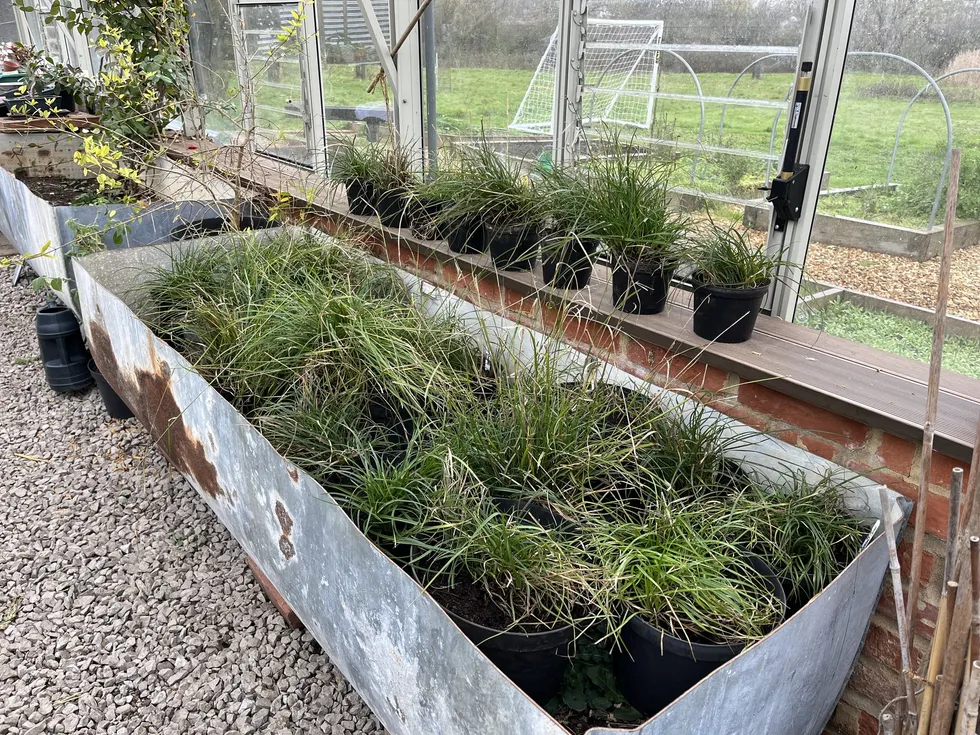
Conservationists opted to extract the specimens from the track and relocate them to a specialist plant nursery facility
|
PA
Beyond its reproductive characteristics, the sedge serves as vital habitat for insects, amphibians and birds.
Experts note that it performs a crucial ecological function in wetland areas by helping to regulate water flow and nutrient cycling.
Habitat loss and fragmentation have driven the species’ decline, leaving it confined to just two native sites in Somerset and Surrey, alongside a handful of reintroduction locations.
The Mendip Hills National Landscape team provided funding to make the Somerset rescue project possible.
Team manager Jim Hardcastle said: “Nature recovery is key to our work these days so it’s great that we can help the Species Recovery Trust in their important work.
“At first glance this is quite an unassuming grass that many people will have walked past for years.
“But it’s still an important part of the ecosystem and deserving of our attention and support.”
The Species Recovery Trust has set itself an ambitious target of bringing 50 species back from the brink of extinction in Britain by 2050.