When faith becomes the perfect alibi
PUBLISHED December 21, 2025
KARACHI:Wake-Up Dead Man: A Knives Out Mystery is the third film in the Knives Out franchise and is not some algorithm-friendly murder mystery that’s just popped up on your Netflix homepage. It’s the return of Daniel Craig’s Benoit Blanc, a detective who has been solving murders since long before the genre became bingeable content. While the film doesn’t quite reach the brilliance of the 2019 original, it’s a marked improvement over its illogical predecessor. It comfortably secures its place as the second-best entry in the series so far. With its thematic focus on faith, power, and long-buried secrets, the film attempts to balance classical whodunit traditions with modern satire, often succeeding even when it slightly overstays its welcome.
Once more, Rian Johnson indulges in his fondness for Agatha Christie-style mysteries, taking cues from Hercule Poirot’s book while believably inflecting a modern sensibility into the telling. What emerges is a film that is both recognisable and ambitious, even as it sometimes falters in its pacing and predictability. At its finest, Wake Up Dead Man reminds us that Benoit Blanc remains among the most fun detectives in modern cinema.
The Plot
Wake Up Dead Man takes place in a tranquil countryside parish governed by Monsignor Jefferson Wicks (Josh Brolin), a figure who defines faith by his own principles and demands absolute compliance. When Jud Duplenticy, an ex-boxer who has become a Catholic priest, is posted to the church as an assistant pastor, his presence unsettles the fragile balance. Jud’s genuine, strict ethical stance sharply conflicts with the environment Wicks has established, provoking animosity from almost everyone affiliated with the parish.
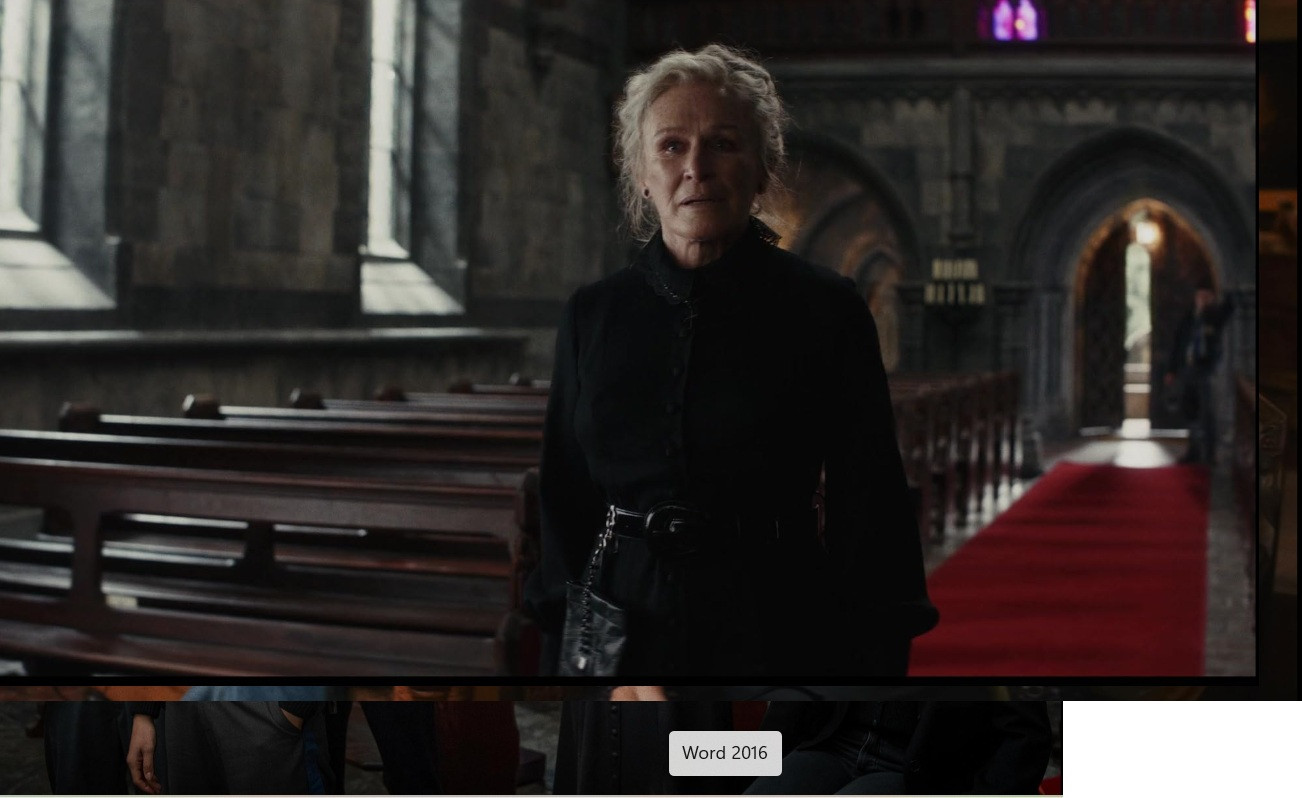
Among the defiant are Martha Delacroix (Glenn Close), the church’s veteran secretary and Wicks’ right-hand woman; Dr. Nat Sharp (Jeremy Renner); attorney Vera Draven, Esq. (Kerry Washington), and renowned writer Lee Ross (Andrew Scott). All have adapted to functioning under Wicks’ code, which values allegiance above belief and domination over kindness. Jud’s arrival endangers that equilibrium. From the pulpit, Wicks continues to ridicule newcomers and advocates for his twisted interpretation of faith, clearly signalling that Jud is not merely a coworker but a fundamental menace to his power.
Tensions escalate to a level when Wicks is killed during a Good Friday church ceremony. The offense seems to have occurred in front of the attendees, yet no one can clarify the method used. Suspicion quickly targets Jud, the outsider and the sole individual who apparently possessed both motive and chance. As public sentiment is strongly opposed to the Reverend and no reasonable cause for the homicide is found, the matter captures the interest of private investigator Benoit Blanc (Daniel Craig), who hesitantly consents to look into it despite his doubts about religion and divine involvement.
As Blanc probes further, he soon finds that Wicks was hardly cherished. Underneath the church’s facade exists a tangle of bitterness, ambition, and deeply buried resentments. Each suspect holds a motive to see Wicks removed. Every statement reveals hints of falsehood, and the line dividing belief from manipulative dominance grows ever hazier. What ensues is a planned chase as Blanc systematically strips away the veneer of respectability, unveiling a community founded on hidden truths and subtle corruption.
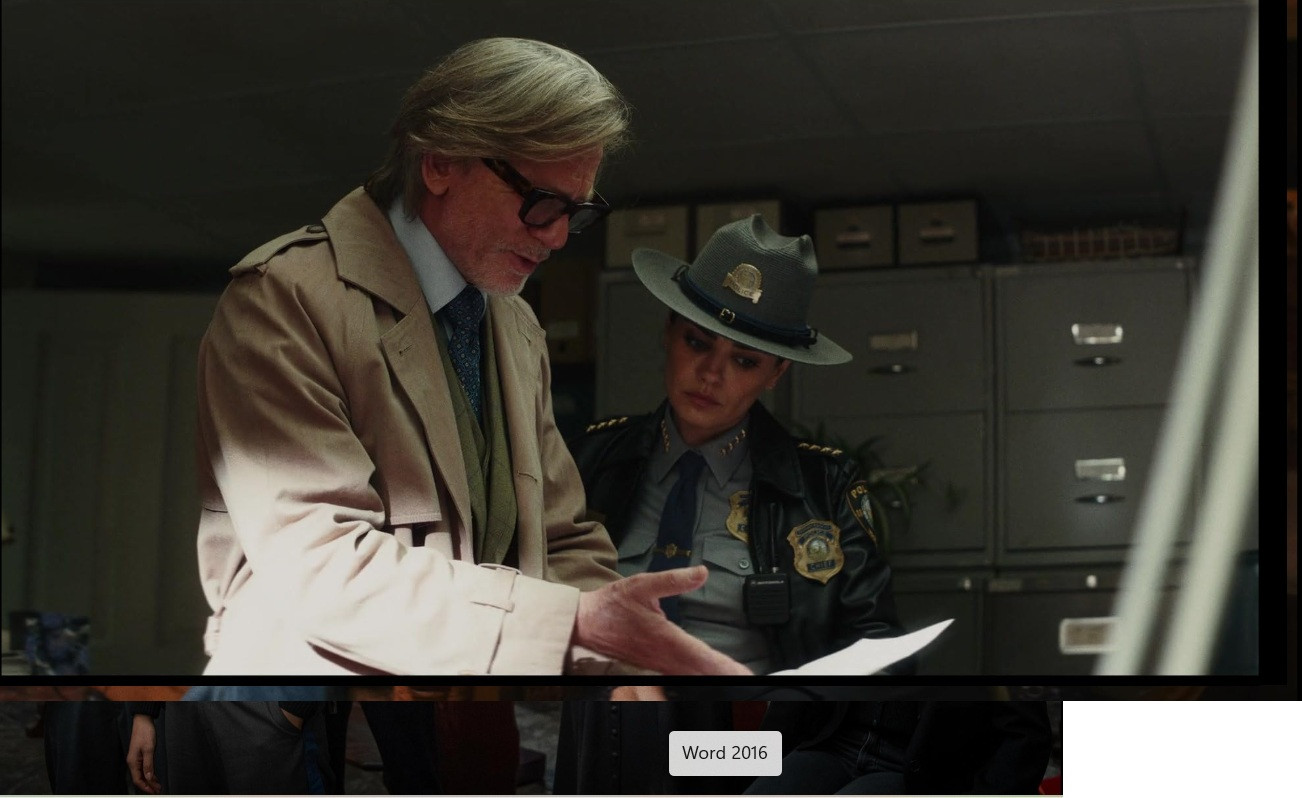
Working alongside the local police chief (Mila Kunis) and keeping a close eye on the prime suspect, Blanc unravels the mystery with his trademark precision. The investigation takes unexpected turns, including the revelation that one apparent murder is not a murder at all. A startling resurrection challenges both the audience’s faith and the detective’s skepticism, culminating in a climactic reveal inspired by classic Agatha Christie storytelling.
The Good
Even though he’s not as foregrounded in the first act, Daniel Craig steals the show. As with his time on James Bond, Craig has a way of commanding attention through subtlety rather than through spectacle. His Benoit Blanc remains this wonderful contradiction: the Southern gentleman with this ridiculous drawl, a razor-sharp mind, and a touch used better in this installment, and religious skepticism that adds an even more layered spin to the story. The way he reacts to sudden revelations, how he pauses before concluding, and his deliberation in making decisions serve to make Blanc feel complete rather than just a caricature of a detective.
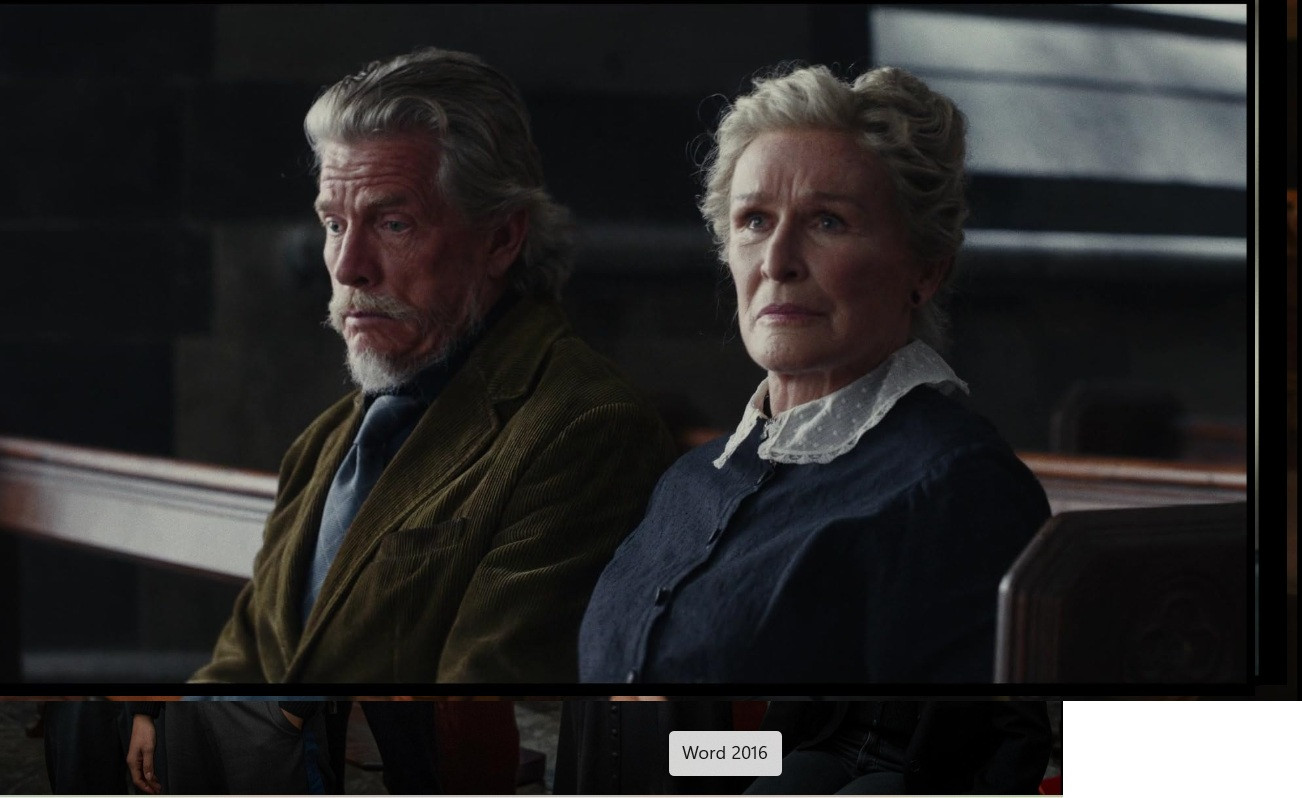
It’s further to Craig’s credit that he holds his own amid this heavyweight ensemble: Glenn Close, Josh Brolin, Adam Scott, Kerry Washington, Mila Kunis, and Jeremy Renner all bring unique personas, but none feel like they obscure Blanc. Credit to Rian Johnson for rounding up an ensemble that intuitively understands the rhythm of a whodunit—who can chew scenery and who can fall back and silently seethe in suspicion.
The religious backdrop is one of its biggest strengths. In centering the mystery about faith and moral authority, Johnson takes a gamble that pays off, for the most part. The church’s setting allows the film to delve into blind belief, manipulation, and performative piety, giving the mystery some weight sorely lacking in the indulgent spectacle of Glass Onion. Casting Josh O’Connor as the prime suspect is another inspired move; his muted performance and inherent likability make it challenging to tell whether he’s truly innocent or merely concealing something.
Supporting performances reinforce the film further. Glenn Close and Josh Brolin are exceptionally well-cast, embodying a sense of menace and command in equal measure. The often underused Adam Scott, Mila Kunis, and Kerry Washington do manage to leave an impression. Jeremy Renner’s appearance, in the wake of his real-life recovery from a near-fatal snowplow accident, feels almost like a quiet comeback, and he slips comfortably back into the rhythm of ensemble filmmaking.
The Bad
For all its strengths, Wake Up Dead Man suffers from a familiar problem: length. At nearly two and a half hours, it tests the audience’s patience. In a genre dependent on momentum and building tension, the pace is occasionally haphazard. Several scenes linger longer than need be, while some character backstories are overexplored. A tighter edit would have done wonders for Wake Up Dead Man, really sharpening its impact and sustaining suspense throughout.
Structurally, too, the movie feels messy. The first act is little more than an extended episode of Columbo heavy on setup and mood, while the second settles more into recognizable Benoit Blanc territory; the third, meanwhile, is full-on classic Christie theatrics. While intentional, such shifts can sometimes feel jarring, as if Glass Onion tries to work in one too many homages at once.
The repeated references to classic murder mysteries, including the nods to locked-room puzzles and older traditions of the genre, may turn off those younger audiences. While it’s a joy for any genre aficionado, those of the Netflix generation may find these asides obscure or irrelevant. A more modern frame of reference — or some more explanation for these conventions — might have helped bridge that gap.
Verdict
For seasoned murder mystery fans, Wake Up Dead Man may feel somewhat predictable, especially since it is so close to similarly structured ensemble mysteries such as The Thursday Murder Club. The comparisons are a bit difficult to miss: multiple suspects, motives layered, and a story structured around revelations rather than action. That being said, predictability doesn’t stop enjoyment from occurring, especially when the performance and atmosphere remain engaging.
Ultimately, Wake Up Dead Man: A Knives Out Mystery stands as one of the better entries in the genre in several years and a decided improvement over its immediate predecessor. While it doesn’t quite recapture the magic of the original Knives Out, it manages to get closer than perhaps anticipated. Classic whodunit fans, Hercule Poirot, and Miss Marple will find much to appreciate here, while newcomers might find themselves with a new appreciation for the genre. Even if you are unfamiliar with locked-room mysteries or vintage detective fiction, this film might make a believer out of you in many of the ways it nudges Benoit Blanc toward believing in the possibility of miracles.
All facts and information are the sole responsibility of the writer
Omair Alavi is a freelance contributor who writes about film, television, and popular culture