Unemployment rate stuck at 5.2% as wage growth plummets ahead of Bank of England announcement
The UK’s unemployment rate remains stuck at 5.2 per cent in the three months to January 2026, the Office for National Statistics (ONS) has confirmed.
Furthermore, ONS figures have revealed that average regular earnings growth fell to 3.8 per cent in the three months to January, but was 0.5 per cent higher after taking consumer prices index (CPI) inflation into account.
Chancellor Rachel Reeves has pledged to focus economic growth since Labour returned to power in July 2024, despite recent gross domestic product (GDP) plateauing in recent months.
Today’s ONS figures come ahead of the Bank of England’s upcoming Monetary Policy Committee (MPC) to discuss changes to the UK base rate later today.
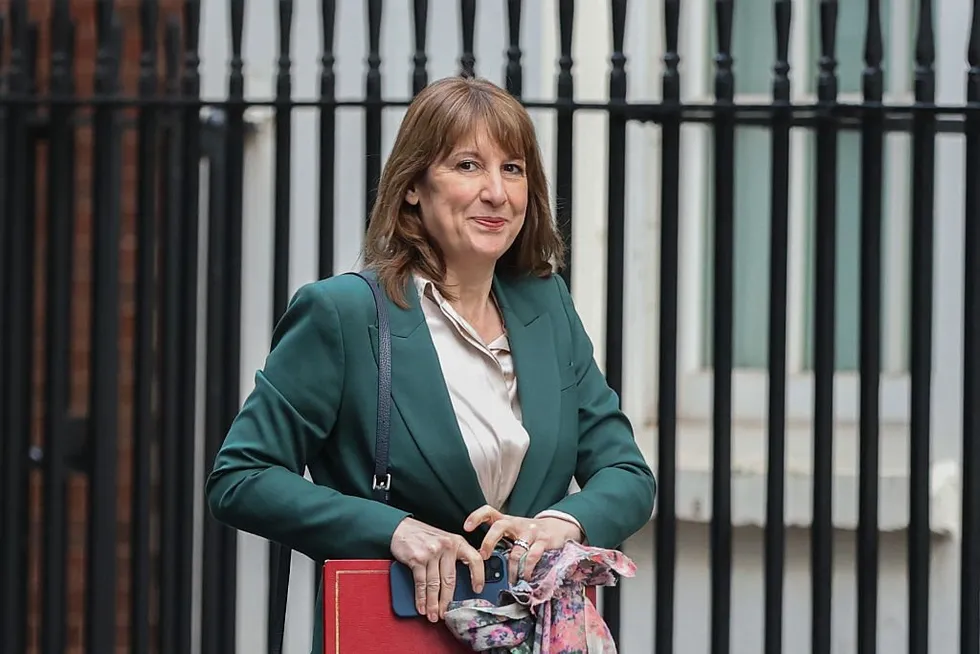
New economic figures for Rachel Reeves
|
GETTYAnalysts are pricing in another rate hold from the Bank, which would see the cost of borrowing remain at 3.75 per cent for the foresseable future.
Markets had forecast multiple interest rate cuts from the Bank of England later this year; however, the US-Iran war has resulted in many traders revising their projections.
Liz McKeown, director of economic statistics at the ONS, said: “Labour market conditions were little changed at the start of the year. The number of workers on payroll rose slightly in the latest month, but overall, the recent picture has been broadly flat.”
She added: “Regular wage growth is at its lowest rate in more than five years, with pay growth in both the private and public sectors continuing to ease.”
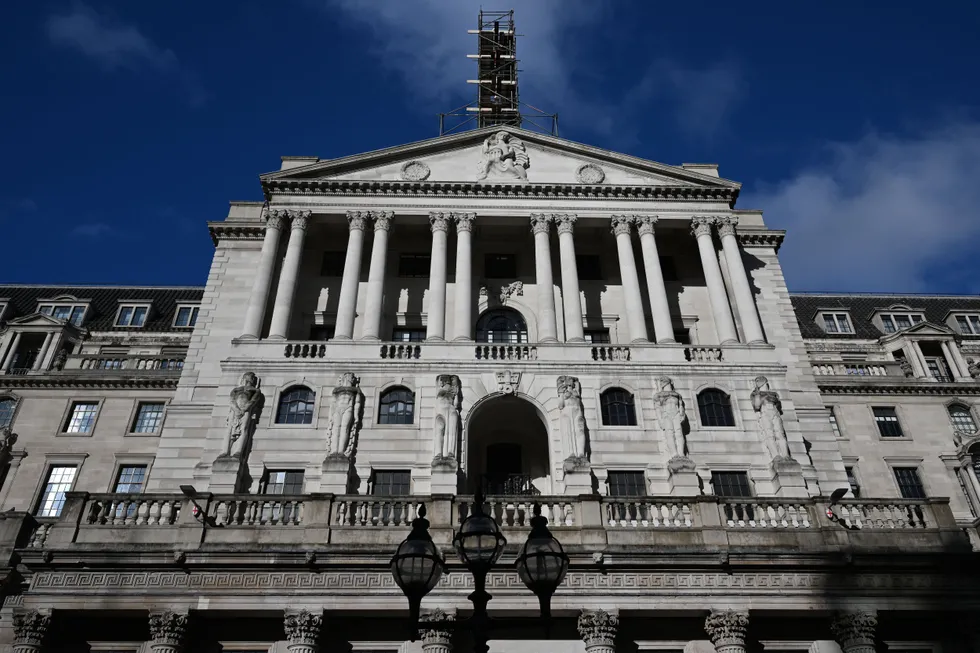
The Bank of England will confirm any changes to the base rate later today
|
GETTY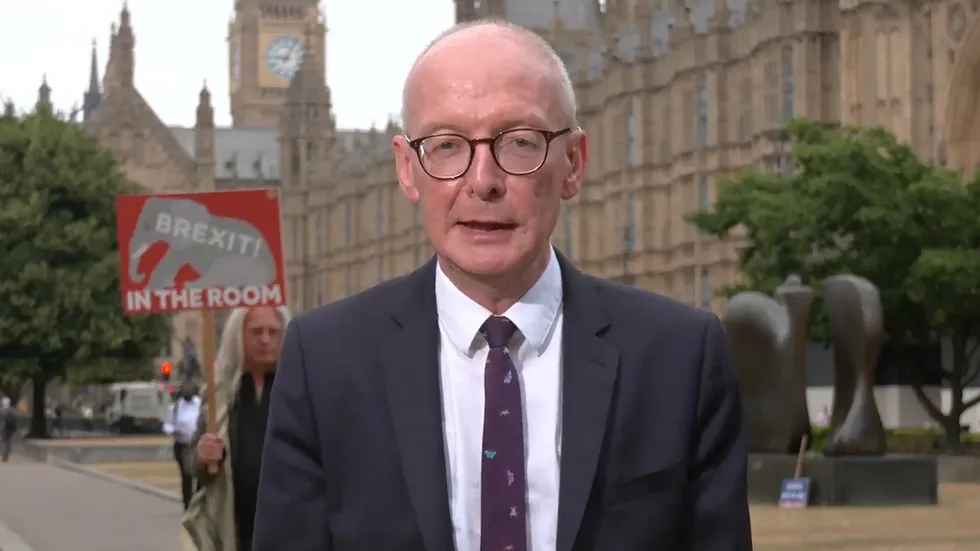 Work and Pensions Secretary Pat McFadden | GB News
Pat McFadden, Labour’s Work and Pensions Secretary, hailed the new unemployment figures are “encouraging” but noted that the Government must do more to get people into work.
Mr McFadden said: “Today’s figures show there are 388,000 more people in work than there was this time last year. While this is encouraging, we know there is more to do to get people, particularly young people, into work.
“That’s why we’re investing £2.5billion to create up to 500,000 opportunities for young people to earn or learn, transform the welfare state into a working state – including a new £3,000 youth jobs grant for businesses who take on eligible young people and expanding the jobs guarantee to cover 18 to 24-year-olds.
“We’re also delivering the biggest reforms to apprenticeships in a decade – giving employers more flexibility and expanding foundation apprenticeships into the hospitality and retail sectors.”
THIS IS A BREAKING NEWS STORY…MORE TO FOLLOW