Universal Credit sickness claims jump 17% under Labour as 1.3 million say mental health means they can’t work
More than 1.3 million people in Britain are now unable to work due to mental health conditions, according to newly released Government figures.
Statistics from the Department for Work and Pensions (DWP) show a sharp rise in Universal Credit sickness claims linked to mental and behavioural disorders.
As of November 2025, 1,344,500 active health claims were attributed solely to psychological conditions, up from 1,153,400 a year earlier — a 17 per cent increase.
Overall health‑related Universal Credit claims have also surged.
In December 2025, 3,142,028 people were receiving health‑related support, a 48 per cent rise on the 2,117,766 recorded 12 months before.
More than three million people are now classed as too unwell to seek employment, far above pre‑pandemic levels; in December 2019, the figure was around 380,000.
Mental health conditions appear in the records of the majority of sickness benefit claimants.
Government data shows 71 per cent of Universal Credit health claimants have a mental or behavioural disorder listed.
Among those assessed as having limited capability for work, the proportion rises to 91 per cent.
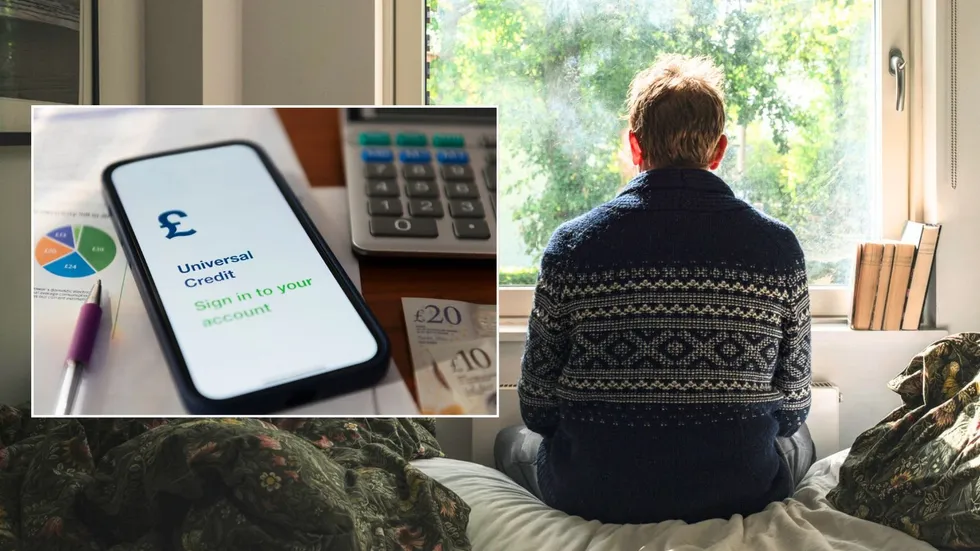
There’s been a sharp rise in Universal Credit sickness claims linked to psychological disorders
|
GETTY
By contrast, 52 per cent of claimants deemed fit for work have such conditions recorded.
The health element of Universal Credit provides additional financial support to those unable to work due to illness or disability, worth up to £5,097.24 per year.
Musculoskeletal issues such as back and neck pain are also widespread, affecting 49 per cent of health‑related claimants.
The figures highlight notable age differences.
People aged 60 to 64 account for the largest share of health‑related claims at 14.05 per cent, followed by those aged 55 to 59 at 13.83 per cent.
DWP figures revealed the extent to which Britons depend on welfare
|
PAYoung people make up a smaller proportion: 16 to 19‑year‑olds represent just 0.8 per cent of claimants, though those under 30 still account for 14.75 per cent overall.
Separate labour market data shows a rise in the number of young people not in education, employment or training.
The number of NEETs has reached 957,000, up 36,000 since the Labour Government took office in 2024.
Pat McFadden has said more young people need to enter the workforce to help address labour shortages, telling workers at the Leyland Trucks factory in February that the UK “cannot afford” to have large numbers of young people outside the labour market.
Officials say part of the rise in Universal Credit health claims reflects the transfer of people from legacy benefits such as Employment and Support Allowance onto the new system.
Welfare spending is also expected to climb sharply.
The Office for Budget Responsibility (OBR) forecasts that expenditure could reach £333billion this year, rising by around £15billion annually to £407billion by 2030–31.
The Government has announced changes to the health element of Universal Credit for future claimants. From April 2026, new applicants will receive a reduced weekly payment, falling from £94 to £50.
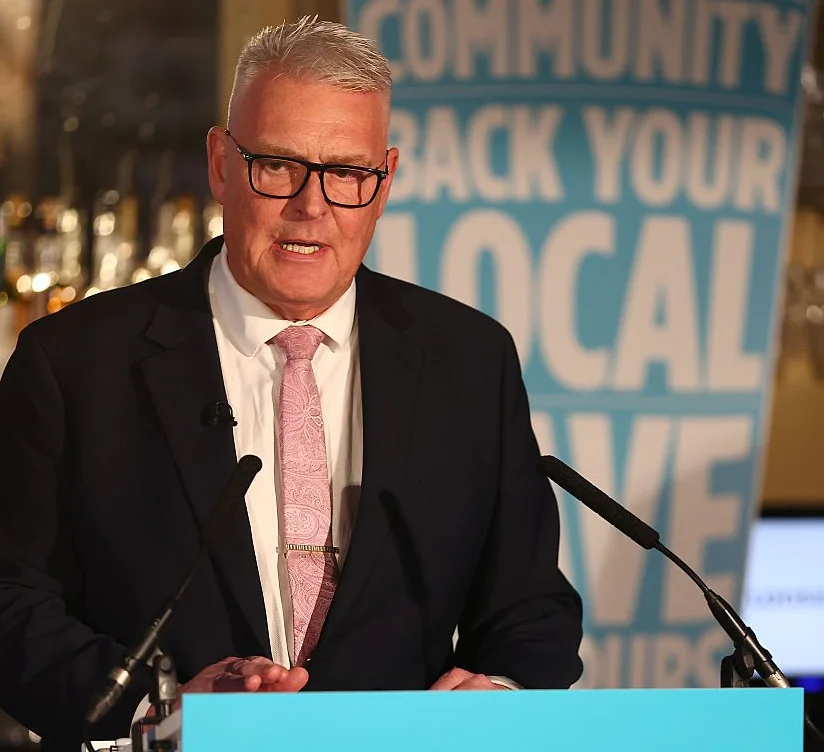
Lee Anderson said the figures should be a wake-up call
|
GETTY
Reform UK’s Lee Anderson said the figures underline wider challenges in the welfare system.
“These figures should be a wake‑up call. Britain cannot afford a system where millions of working‑age people are written off and parked on benefits,” he said.
A spokesperson for the DWP said reforms are under way.
“We’re fixing the broken system we inherited by removing work disincentives and redeploying 1,000 work coaches to properly support sick or disabled people who were left without help for years,” they said.