DVSA to unveil ‘simple skill’ rule as part of key driving changes as millions ignore Highway Code updates
Millions of drivers could be unaware of important changes to UK roads coming this year, which will impact how driving tests are conducted.
The DVSA is set to introduce a new theory of test questions focused on lifesaving skills such as cardiopulmonary resuscitation (CPR), the use of defibrillators, and how to respond to cardiac arrest at the roadside.
The changes have been designed to improve the public’s response to medical emergencies following road accidents. But research from price comparison site MoneySuperMarket suggested many motorists may not be keeping up with rule changes.
The study found that just 44 per cent of UK drivers said they actively check the Highway Code when updates are made.
That means more than half of motorists, equivalent to around 23 million drivers, may be unaware of important new rules. Despite this, many drivers said they would welcome more reminders when updates are introduced.
Mark Winn, DVSA Chief Driving Examiner, said: “Part of being a safe and responsible driver is knowing what to do in an emergency – how to step in and make a real, life-saving difference.
“Learning CPR and how to use an AED is a very simple skill, and adding this into the official learning resource is a great way for DVSA to support the drive to raise awareness.”
Meanwhile, almost three quarters of motorists (72 per cent) said they would like to be notified when the Highway Code is updated so they can stay informed about changes to road rules.
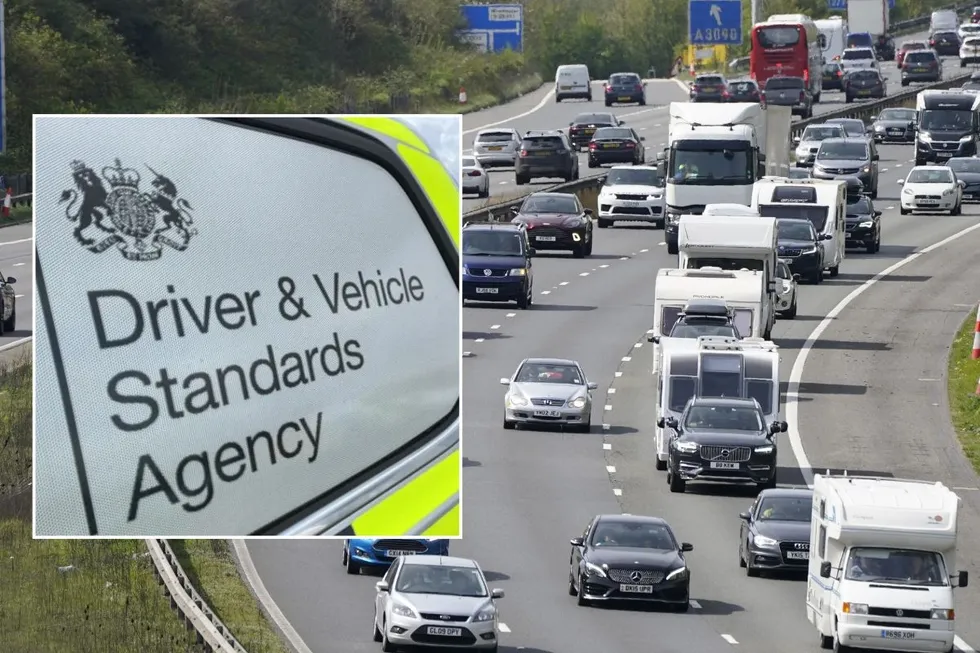
The DVSA changes hope to improve road safety by having drivers be CPR accredited
|
DVSA/GETTYThe research also suggested there was growing support for drivers to refresh their knowledge of the rules after passing their test.
Nearly half of motorists (48 per cent) believed drivers should be required to retake a theory test every few years because knowledge can fade over time.
Meanwhile, 65 per cent said they would be willing to complete an online refresher test to help them keep up with updates to the Highway Code. Younger drivers appear to be the most supportive of the idea.
Among drivers aged between 25 and 34, more than eight in 10 (83 per cent) said they would take part in an online refresher theory test.
But interestingly, support was lower among older age groups, suggesting younger motorists may be more comfortable with digital learning or regular testing.
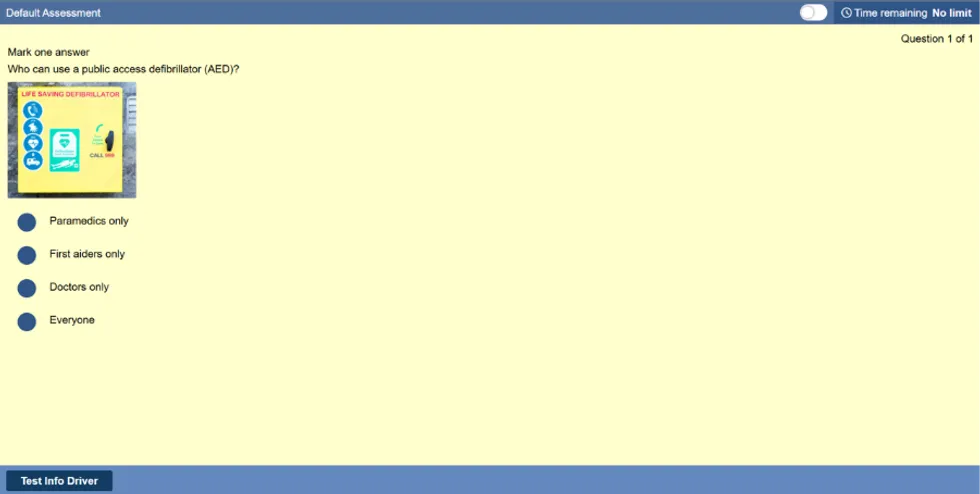 An example question on defibrillators in a theory test | DVSA
As part of the Government’s planned theory test changes, a greater focus will be placed on first aid knowledge for learner drivers. New questions are expected to cover how to perform CPR and how to use a defibrillator in an emergency situation after a road collision.
However, awareness of these changes appears to be limited. The research found that just under half of drivers (48 per cent) know that first aid knowledge is now part of the theory test.
Experts suggested that this highlighted a wider gap in knowledge among motorists about updates to driving rules and road safety guidance.
Alicia Hempsted, car insurance expert at MoneySuperMarket, said many drivers may not realise how often driving rules evolve.
 The new theory test measures have been backed by road safety experts | JULIE STARLING
She said: “Driving rules change often to reflect new technology, updated safety research and the way that we use the roads. It’s encouraging that many drivers are open to refresher tests and want to be notified about Highway Code updates, but our research shows a large knowledge gap remains.
“As the theory test evolves to place greater emphasis on practical safety knowledge, the findings suggest that many existing drivers may benefit from a refresher – especially as millions of motorists say they are not checking for updates. With defibrillators and CPR knowledge becoming more important in the UK driving theory test, road safety now goes beyond simple driving skills.”
She added that keeping up with changes could help drivers avoid penalties as well as improve safety on the roads for pedestrians and fellow road users.
“Staying informed doesn’t just help you avoid fines or penalty points; it helps keep everyone safer,” Ms Hemstead shared.