Tottenham’s continued humiliation proves one thing as Spurs sit dangerously close to relegation
When Tottenham Hotspur chose to part company with Thomas Frank, the majority of their fans took a breath of relief.
Not only was it an underwhelming campaign, but the side was also flirting with the possibility of being relegated from the Premier League for the first time in their history.
At the time of his dismissal, not only was the style of football painfully boring, but Frank also held the record for the lowest points-per-game (1.12) and the worst win percentage (26.9 per cent) among permanent managers in the club’s Premier League history.
The team had won only two of their last 17 league matches.
Yet, two games into Igor Tudor’s reign, and there is very little excitement around the Tottenham Hotspur stadium, and performances have only got worse.
It points to the structural realities at the club, with Franks’ dismissal looking more and more like a familiar deflection rather than a solution.
Frank did not inherit stability; some would even call it a sinking ship.
He walked into a side that had finished outside the Champions League places in successive seasons and was already wrestling with squad imbalance.
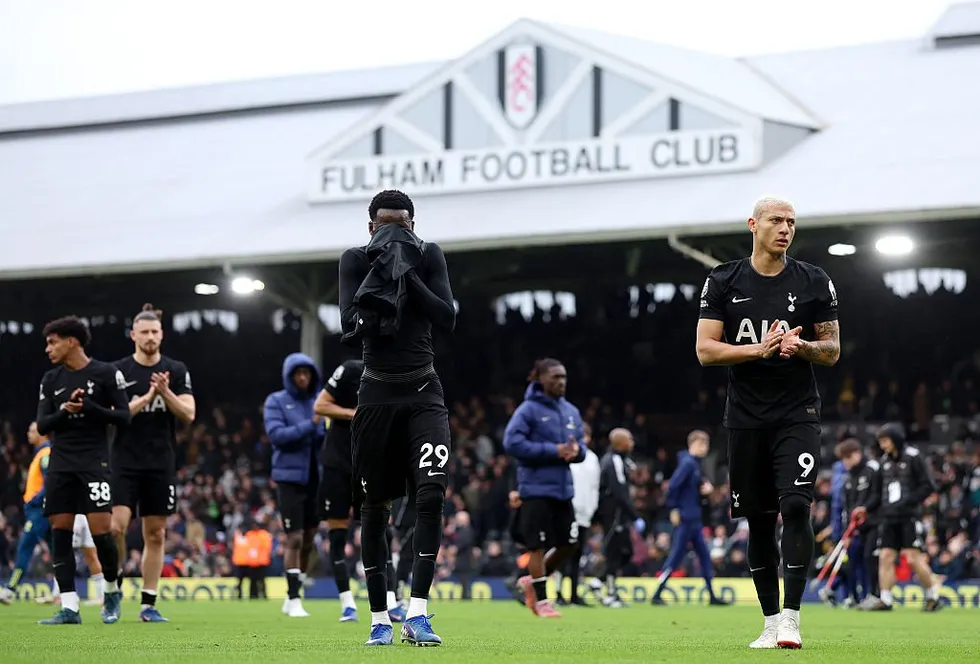
Two games into Igor Tudor’s reign, and there is very little excitement around the Tottenham Hotspur stadium
|
GETTY
Tottenham’s wage bill and transfer expenditure place them in the league’s upper tier, yet their league position has not consistently reflected that outlay.
Ange Postecoglou finished in 17th place last season, which was the club’s worst-ever finish in the competition.
Under Frank, performances were uneven but not devoid of structure.
Spurs remained competitive in underlying metrics: their expected goals (xG) differential hovered around the European qualification threshold for much of the campaign, even when results dipped.
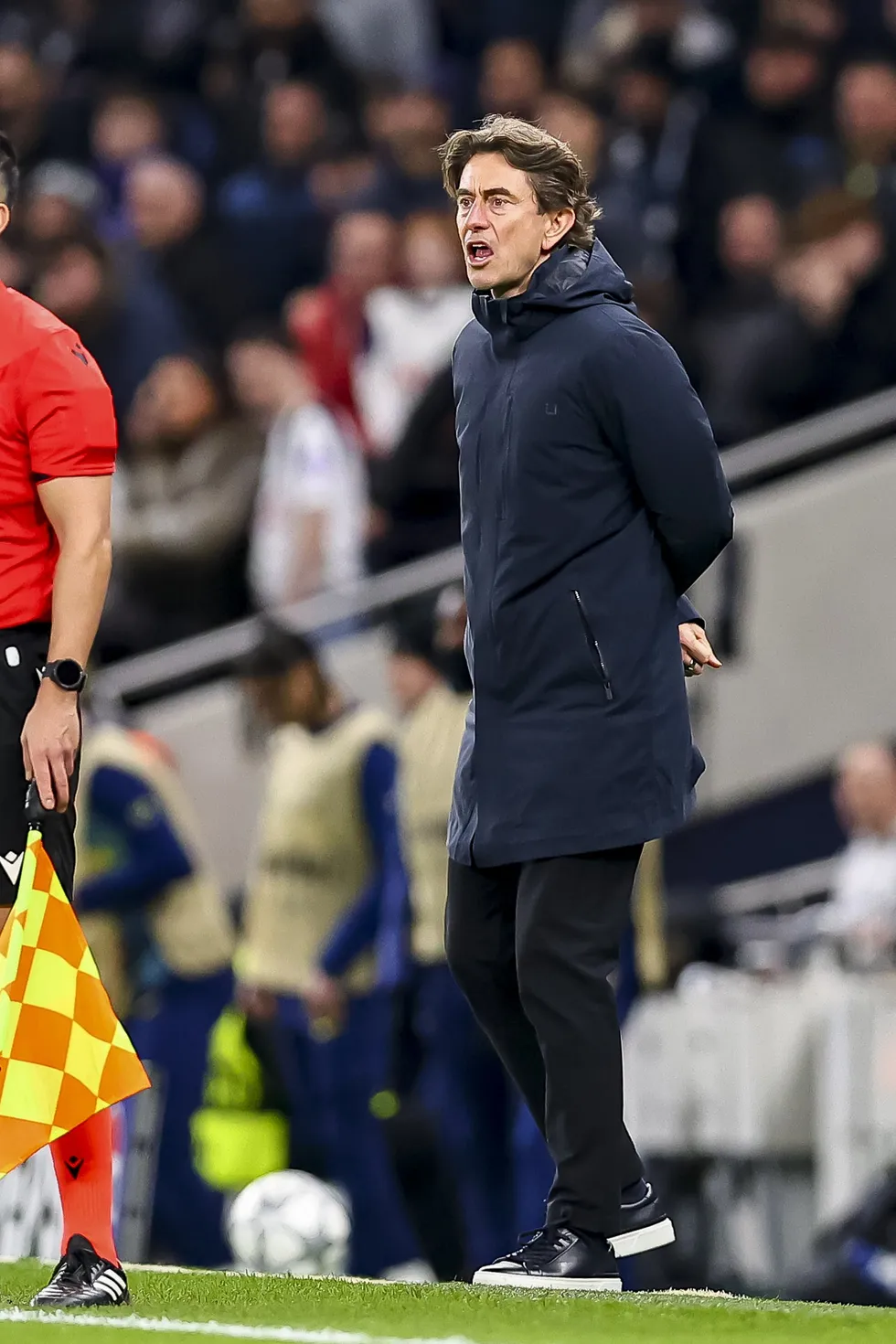
Thomas Frank was sacked by Tottenham
|
GETTYThey averaged over 55 per cent possession and ranked in the top half for shots created.
The more persistent issue was their defence, which conceded at a rate closer to mid-table sides than to Champions League contenders.
Recruitment in central defence has been reactive rather than strategic, long before Frank arrived.
Injuries compounded the problem, exposing a lack of depth behind first-choice options.
No manager can impose coherence if the personnel pool is in constant flux.
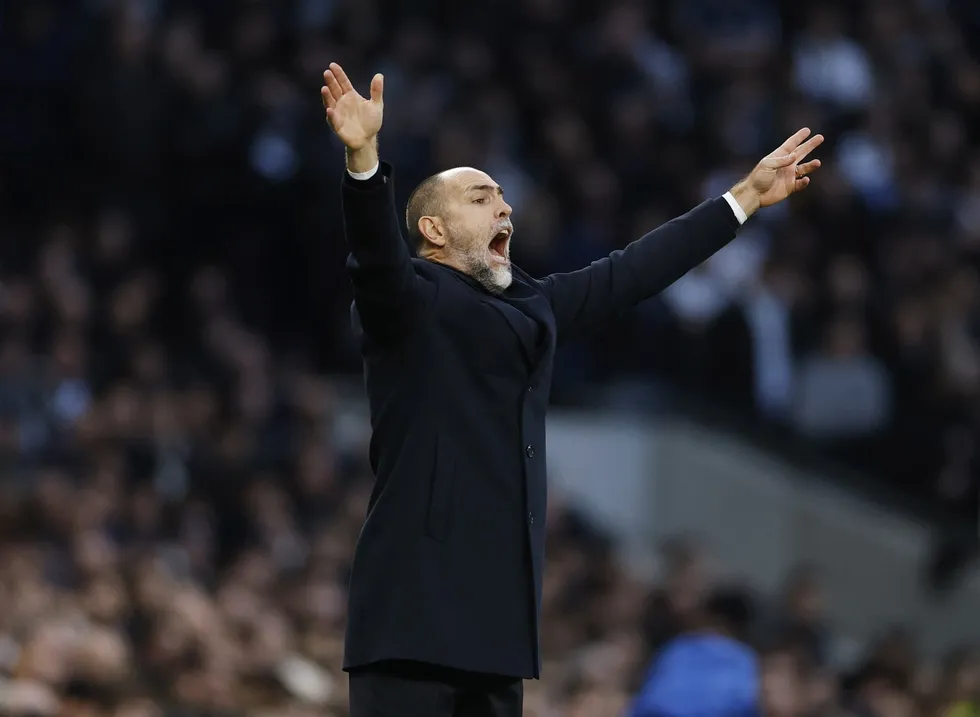
Igor Tudor has been brought in until the end of the season | REUTERS
Spurs have leaned heavily on individual output in recent seasons, and when key forwards have endured dips in form or fitness, the drop-off has been clear to see.
During one difficult run under Frank, Tottenham’s conversion rate fell several percentage points below their seasonal average despite comparable chance creation.
Since 2019, Spurs have cycled through multiple managers with contrasting styles and recruitment strategies have shifted accordingly, producing a squad assembled for different tactical visions.
Frank’s managerial career prior to Spurs demonstrated an ability to maximise resources, organise effectively and improve players, something that Spurs are in desperate need of.
With Tudor offering no chance in his short stint at the helm so far, maybe the right decision would have been to allow Frank some more time.