HMRC to slap drivers with new price hikes for petrol, diesel and electric car owners today
Drivers are being warned of new fuel rates launching today, which could impact how much petrol, diesel and electric car owners pay to stay on the road.
HM Revenue and Customs has confirmed new advisory fuel rates (AFRs) launching today (Sunday, March 1) that could see motorists pay more.
Advisory fuel rates are used to reimburse employees for business travel in their company cars, or when employees need to repay the cost of fuel used for private travel.
The rates are calculated four times per year, and drivers are issued a price per mile for petrol, diesel, electric and LPG vehicles.
Several price changes have been introduced in the latest update to the advisory fuel rates, including for users of electric and LPG vehicles.
Rates for electric vehicles were separated in recent updates, with HMRC now differentiating between those who charge their EVs at home and at public chargers.
Given that company cars often make use of public and residential chargers, motorists should apportion the mileage based on how much charging takes place at each location.
GB News has compiled the latest advisory fuel rates from HMRC launching today.
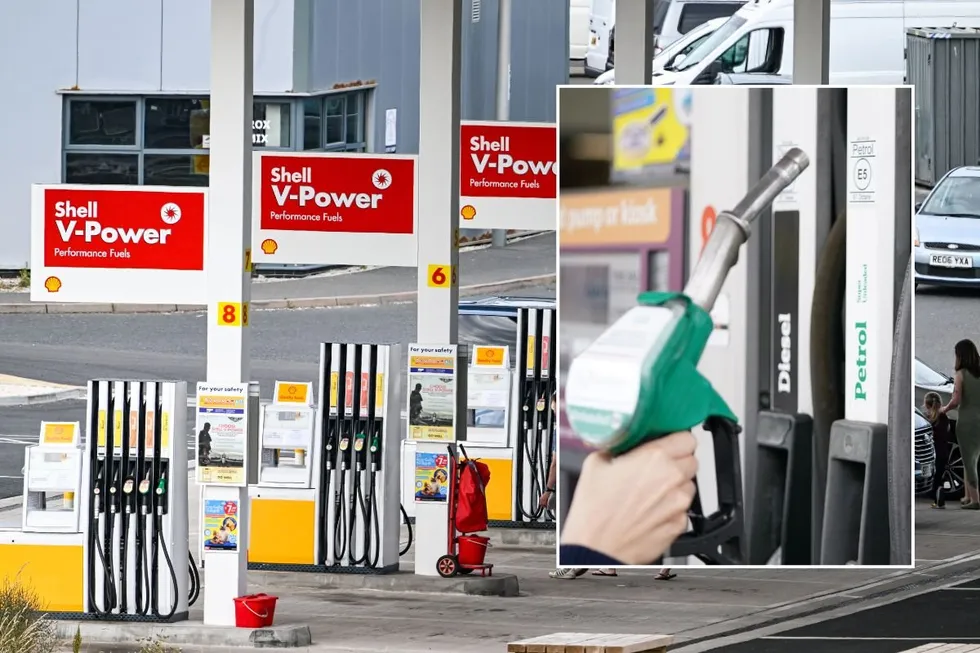
HMRC is rolling out new advisory fuel rates today (March 1)
|
GETTY
Advisory fuel rates per mile from March 1, 2026
Petrol
Engines up to 1,400cc – Remains at 12p
Between 1,401cc and 2,000cc – Remains at 14p
Over 2,000cc – Remains at 22p
Diesel
Engines up to 1,600cc – Remains at 12p
Between 1,601cc and 2,000cc – Remains at 13p
Over 2,000cc – Remains at 18p
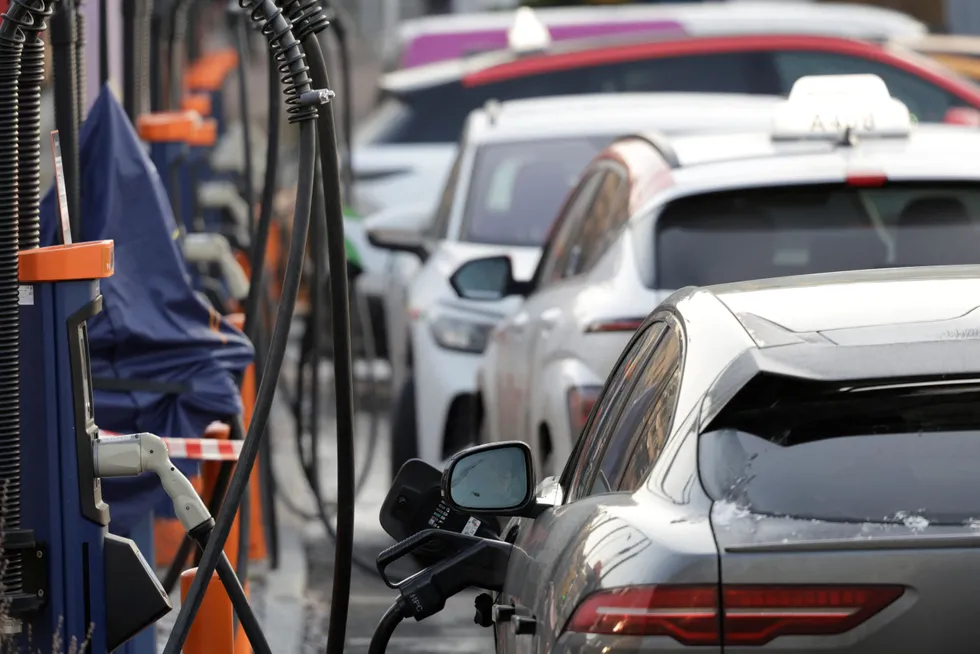
HMRC has split rates for people charging electric vehicles at home and in public
|
REUTERSElectric
Home charger – Remains at 7p
Public charger – Rising from 14p to 15p
Liquefied Petroleum Gas (LPG)
Engines up to 1,400cc – Falling from 11p to 10p
Between 1,401cc and 2,000cc – Falling from 13p to 11p
Over 2,000cc – Falling from 21p to 19p
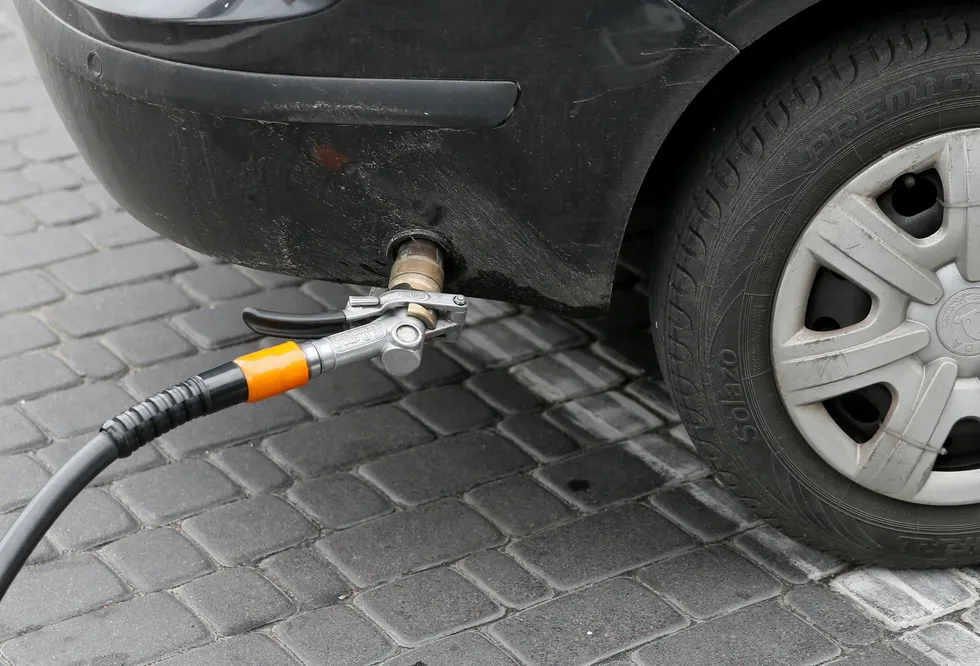 HMRC also includes advisory fuel rates for vehicles powered by LPG | REUTERS
HMRC will roll out the next update for advisory fuel rates on June 1, followed by further refreshes in June, September and December.
Rates are calculated using several different sources, including the Department for Energy Security and Net Zero (DESNZ) for petrol and diesel.
While more uncommon on roads, prices for liquefied petroleum gas are taken as a UK average from the Automobile Association.
Electric price data is taken from DESNZ, the Office for National Statistics, car electrical consumption rates from the Department for Transport and annual car sales volumes to businesses.