Vegetarian diet can slash risk of five cancers by up to 30%, study finds | UK News
A vegetarian diet can reduce the risk of five types of cancer by as much as 30%, a study has found.
In the largest study of its kind, University of Oxford researchers found vegetarians have a 21% lower risk of pancreatic cancer and a 9% lower risk of breast cancer compared to meat eaters.
Vegetarians also have a 12% reduced risk of prostate cancer, 28% lower risk of kidney cancer and 31% lower risk of multiple myeloma, a type of blood cancer.
However, vegetarians were found to have nearly double the risk of the most common type of cancer of the oesophagus compared with meat eaters.
This might be due to vegetarians missing out on some key nutrients, researchers suggested.
And vegans were found to have a higher risk of bowel cancer when compared with meat eaters, although more research was needed in this area.
The study found lower risk of some cancers in vegetarians. Pic: PA
It is already established that eating processed meat such as ham, bacon and salami is linked to an increased risk of bowel cancer, and possibly stomach cancer.
Red meat such as beef, pork and lamb also increases the risk, while a link with white meat, such as chicken and turkey, has not been shown.
Experts behind the new study, published in the British Journal of Cancer, said more work was needed on whether it is overall meat consumption that is linked to cancer, or whether something specific in vegetarian diets lowers the risk.
The research included data from various studies worldwide, with most people coming from the UK and US.
Some 1.64 million meat eaters were included, alongside 57,016 poultry eaters (no red meat), 42,910 people who ate fish and no meat (pescatarians), 63,147 vegetarians and 8,849 vegans.
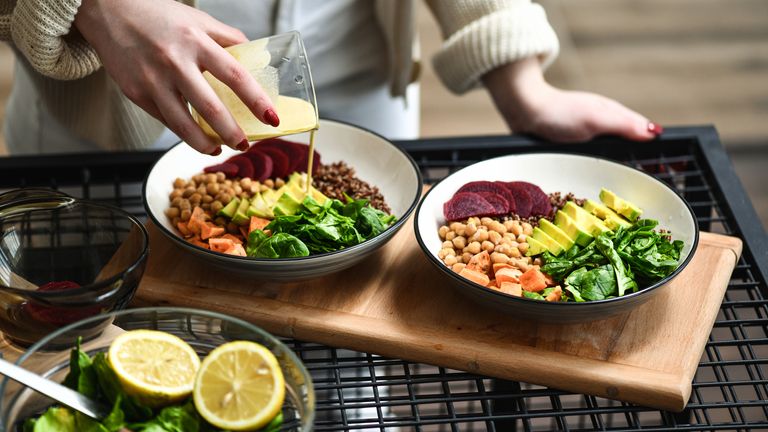
The study also looked at the vegan diet. Pic: iStock
Led by researchers at Oxford Population Health, and funded by the World Cancer Research Fund, the study investigated 17 different cancers, including those of the gastrointestinal tract, lung, reproductive system, urinary tract and blood cancer.
Food intake, generally over the previous 12 months or a “typical diet”, was assessed using food questionnaires.
Other factors that may influence the results were taken into account, such as body mass index.
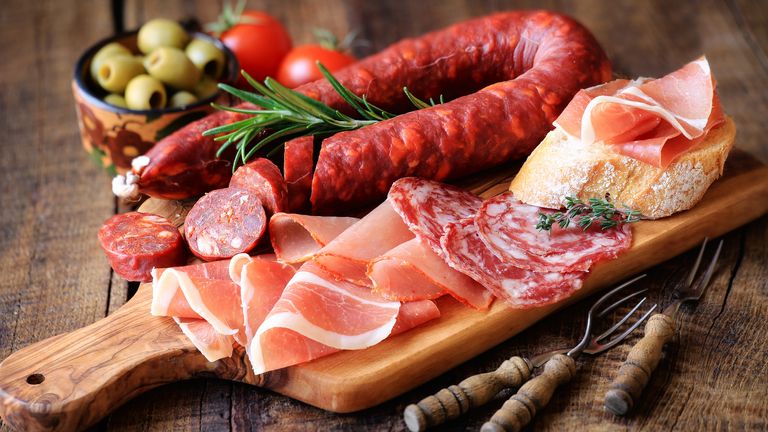
Processed meat has been linked to cancer. Pic: iStock
Researchers found that vegans had a significantly higher risk of bowel cancer when compared with meat eaters.
They said this may be due to low intake of calcium compared with other people (590 milligrams per day compared to a recommendation of 700 milligrams per day), as well as other nutrients.
Cancer Research UK has found that calcium lowers bowel cancer risk, with a large glass of milk a day linked to a 17% reduction.
However, the Oxford team said more research was needed into this suggestion owing to the fact only 93 bowel cancers were found in the vegan group.
For the other cancers studied, there was no evidence that risk in vegans differed from meat eaters, and for some less common cancers there were too few vegan cases to analyse, researchers said.
Vegetarians also did not have a lower risk of bowel cancer, compared with meat eaters, which the researchers said was “inconsistent” with the understanding that processed and red meat increases the risk.
They suggested this could be because processed meat intake in the meat-eating group was moderately low.
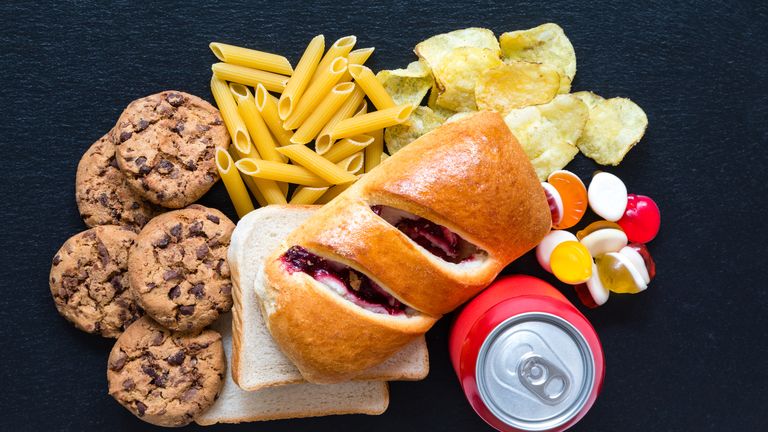
Experts advise limiting processed foods and red meat. Pic: iStock
Read more from Sky News:
Best and worst NHS trusts for cancer treatment revealed
Babies misclassified as stillborn in maternity care report
The study’s principal investigator, Aurora Perez Cornago, said: “Vegetarians typically consume more fruit, vegetables and fibre than meat eaters and no processed meat, which may contribute to lower risks of some cancers.”
She added: “The higher risk of oesophageal squamous cell carcinoma in vegetarians and bowel cancer in vegans may relate to lower intakes of certain nutrients more abundant in animal foods.
“Additional research is needed to understand what is driving the differences in cancer risk found in our study.”
Tim Key, emeritus professor of epidemiology at Oxford Population Health and co-investigator of the study, said the differences in cancer rates between vegetarians and meat eaters were “not very big” and may not explain the findings.
He said: “My feeling is the differences are more likely to be related to meat itself than to simply vegetarians eating more healthy foods.”
“But that’s sort of an opinion which we haven’t looked at directly,” he added.
Experts advise that building meals around wholegrains, pulses, fruit and vegetables, avoiding processed meat and limiting red meat can reduce the risk of cancer.