Rachel Reeves’s mansion tax prompts early market distortion with 83 per cent of offers now under £2million
Labour’s planned mansion tax is already influencing behaviour at the top end of the housing market more than two years before it comes into force.
New analysis from Hamptons shows in February, 83 per cent of offers made on homes priced within 10 per cent of the £2million threshold were submitted below that level.
That marks a sharp increase from 64 per cent recorded in the same month a year earlier.
The pattern is also reflected in completed transactions, with sales agreed above £2million falling by 26 per cent year-on-year in January.
The figures indicate that both buyers and sellers are adjusting pricing strategies ahead of the council tax surcharge announced by Chancellor Rachel Reeves in her autumn Budget.
Under the policy, homeowners with properties valued above £2million will pay an additional £2,500 per year in council tax from April 2028.
Properties worth £5million or more will be subject to an annual charge of £7,500.
The surcharge will rise each year in line with consumer price index (CPI) inflation.
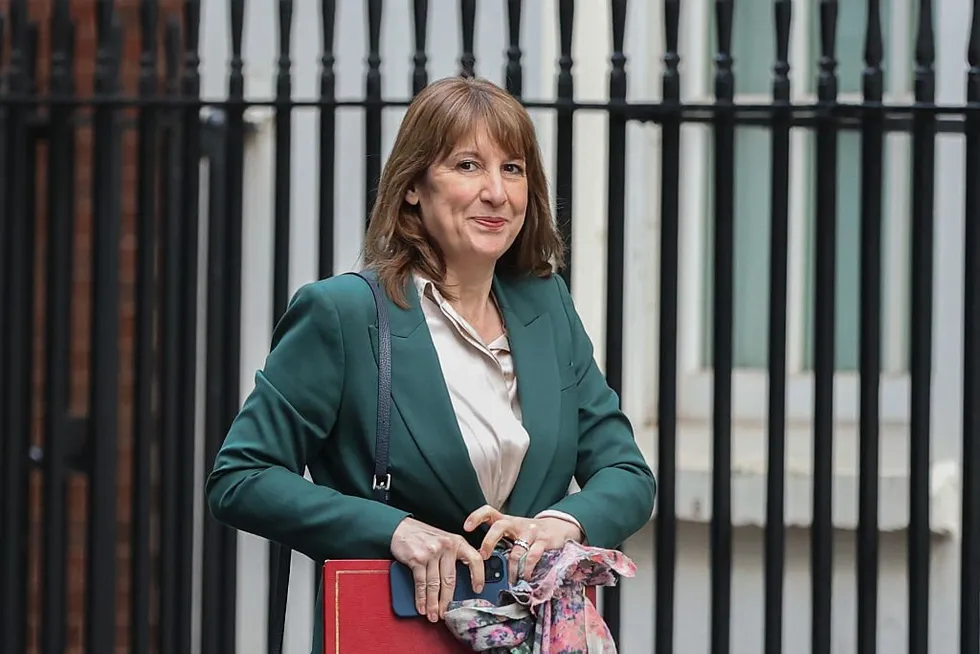
Market distortion has been caused by the Chancellor’s planned tax grab
|
GETTY
Valuations to determine liability will be carried out every five years by the Valuation Office Agency (VOA), using sales data and modelling technology.
The Government expects the measure to raise around £430million annually.
Approximately 140,000 properties are forecast to fall within scope, with the highest concentration in London and the South East.
A public consultation on the structure of the surcharge is due to begin in early 2026.

Activity is much stronger just below each threshold
|
GETTY
David Fell, lead analyst at Hamptons, said: “Our research across all tax bands consistently demonstrates that activity is stronger just below each threshold than just above it, and we expect this pattern to intensify as more purchasers seek to dodge the levy.”
He added: “Sellers aren’t just handing over a one-off charge; they’re committing to paying it in perpetuity, with an annual uplift for inflation.”
Mr Fell said the recurring nature of the surcharge could increase price clustering around the £2million mark.
Paula Higgins, chief executive of the HomeOwners Alliance, said: “This creates a less efficient market where people make decisions based on avoiding tax rather than on what home actually suits their needs.”

The move weakens the market, experts say
|
GETTY
She added: “It leads to fewer moves, suppressed transactions around key price points and ultimately people stuck in homes that are too big, too small or simply wrong for them.”
Tom Bill, head of UK residential research at Knight Frank, said: “The problem with valuation-based property taxes will always be around price thresholds, which makes you wonder why the Government introduced four of them.”
Mr Bill said the projected revenue was modest in the context of overall public finances and described it as “the equivalent of a rounding error.”
In December, Treasury minister Dan Tomlinson acknowledged the policy could result in a 2.5 per cent fall in property values for homes affected by the surcharge, with greater effects expected around the band thresholds.
The data suggests the impact on pricing behaviour may already be taking shape ahead of the April 2028 implementation date.